

Child Sex Crimes Defense | Frisco, Texas
Facing a Child Sex Crime Charge? Get Answers Before You Move or Sign
Where you live, what you have signed and what the court has ordered can all affect your case. Talk with a criminal defense team that reviews the details with you.
By Heather Barbieri · Published November 11, 2026
Can You Live Near a School With a Child Sex Crime Charge in Texas?
Can you live near a school with a child sex crime charge in Texas? The honest answer turns on the facts. The offense charged, whether registration applies, how the case ends, and what conditions a judge sets all matter. This guide explains each factor in plain words so you know which questions to ask. It explains the framework, not how any particular case will end.
If your family is facing a housing decision while the school question is still open, our team is glad to review the charge with you. Talk it through with our team — the first consultation is free, confidential, and carries no obligation.

The Short Answer: The Facts Decide It
A location limit usually follows from the outcome of a case, not from the arrest itself. Several questions decide what applies:
- What offense is charged, and under which Penal Code section?
- Must the person register as a sex offender?
- Was the person convicted, placed on deferred adjudication, or adjudicated as a juvenile?
- Did the judge place the person on community supervision with a child safety zone?
- Do bond conditions or local rules add limits?
Each answer can change the next one. Families often don’t know which question matters most. Worry about housing, work, and children at home is normal. Use this page to organize those questions before you talk with a lawyer.
Why This Question Comes Up for Families
Families usually ask this question at a hard moment. It may come right after an arrest, at a bond hearing, or when a plea offer arrives. The accused person may have a home, a job, or a child who attends a nearby school. Someone has to decide whether to stay put, and nobody wants to guess.
Online answers often add confusion. Many pages state broad rules as if they apply to every case. Social media groups repeat secondhand stories. Those posts rarely mention the charge, the county, or the court order, and those details often decide the answer.
If you are reading this for someone else, keep a simple file. Write down each date, each document, and what each official said. Those notes will help whoever reviews the case.
Texas Child Safety Zone Conditions for Community Supervision
Under the Texas child safety zone law, a judge who places a defendant on community supervision for certain offenses must set a child safety zone when the judge finds that a child was the victim. The zone generally bars the defendant from going in, on, or within 1,000 feet of a premises where children commonly gather. Those places include a school, day-care facility, playground, and public or private youth center.
The statute has exceptions and options. A judge is not required to impose the school and playground condition if the defendant is a student at a primary or secondary school. The defendant may ask the court to change the zone if it is broader than necessary to protect the public. Under Art. 42A.453(h), the distance requirement in Subsection (c)(1)(B) does not apply to a defendant while the defendant is in or going immediately to or from a private residence at which the defendant is required to reside as a condition of community supervision, and this exception is limited to the circumstances that subsection lists.
Local rules are a separate question. They can differ from one city to the next. Ask for the exact wording, who imposed it, and when it applies. Don’t assume a general summary covers your address.
How the Offense and Charge Shape the Answer
The offense sets the starting point. Indecency with a child is covered by Texas Penal Code § 21.11. Sexual contact is a second-degree felony, and exposure is a third-degree felony. The statute also lists an affirmative defense when the actor was not more than three years older than the child and of the opposite sex, used no duress, force, or threat, and had no disqualifying sex-offender registration status, plus a separate defense if the actor was the child’s spouse. A lawyer must check whether those facts fit.
Online charges work differently. Texas Penal Code § 33.021 makes online solicitation of a minor a criminal offense. Under Texas Penal Code § 33.021(f), sexually explicit communication with a minor under subsection (b) is a third-degree felony, raised to a second-degree felony if the minor is younger than 14 or the actor believes the minor is younger than 14. Soliciting a minor to meet under subsection (c) is a second-degree felony. Under subsection (f-1), the punishment moves up one level if the offense happened during school hours and the actor knew or should have known the minor was enrolled in school. The law also says it is not a defense that the meeting did not occur.
Read the whole charging document. The statute named in the charge controls which rules are relevant. Bond conditions can also restrict a person before any conviction when the case is a family violence, sexual assault or abuse, indecent assault, stalking, or trafficking case and the conditions relate to the safety of a victim or the community. Under Texas Penal Code § 25.07, violating a bond condition in a family violence or sexual assault case can be an offense when a person goes to or near a school where a protected child attends, if the order or bond describes that place.
Juvenile Cases and Registration Questions in Texas
A juvenile case works differently from an adult conviction. Under the Texas registration duty expiration law, when the duty to register for an offense other than one described by Subsection (a) comes from an adjudication of delinquent conduct, the 10-year period runs from the disposition or from completing its terms, whichever is later.
Confirm juvenile status early. Juvenile status matters for how long the registration duty lasts: under Texas Code of Criminal Procedure Art. 62.101, the rules for when the duty ends differ for a reportable adjudication of delinquent conduct. Ask whether the case is a juvenile matter, and read what the paperwork says about the disposition.
Age also matters in some adult cases.
Not sure what your next step is?
Talk it through with our team — the first consultation is free, confidential, and carries no obligation.
How a Plea or Community Supervision Can Change the Rules
A plea can change the offense on record, the registration duty, and the conditions a person must follow. Under the Texas deferred adjudication law, except as provided by Article 42A.102(b), if the judge believes it serves the best interest of society and the defendant, the judge may defer further proceedings without entering an adjudication of guilt. The judge must first receive a plea of guilty or nolo contendere and find that the evidence substantiates the defendant’s guilt, and then may place the defendant on deferred adjudication community supervision.
Deferred adjudication does not end the registration question. Texas defines a reportable conviction or adjudication in the Texas reportable conviction definition. That definition includes deferred adjudication for listed offenses, regardless of whether an appeal is pending, but not for a second indecent exposure violation or a substantially similar out-of-state or federal violation that results in deferred adjudication. A plea offer needs review against registration, not just the sentence.
Community supervision can also add restrictions. Where the statute applies, a judge sets a child safety zone, and other terms can limit where the person may live or go. Compare every offer against the location rules before deciding. No lawyer can predict how a prosecutor or judge will respond.
What to Gather Before Reviewing Your Case
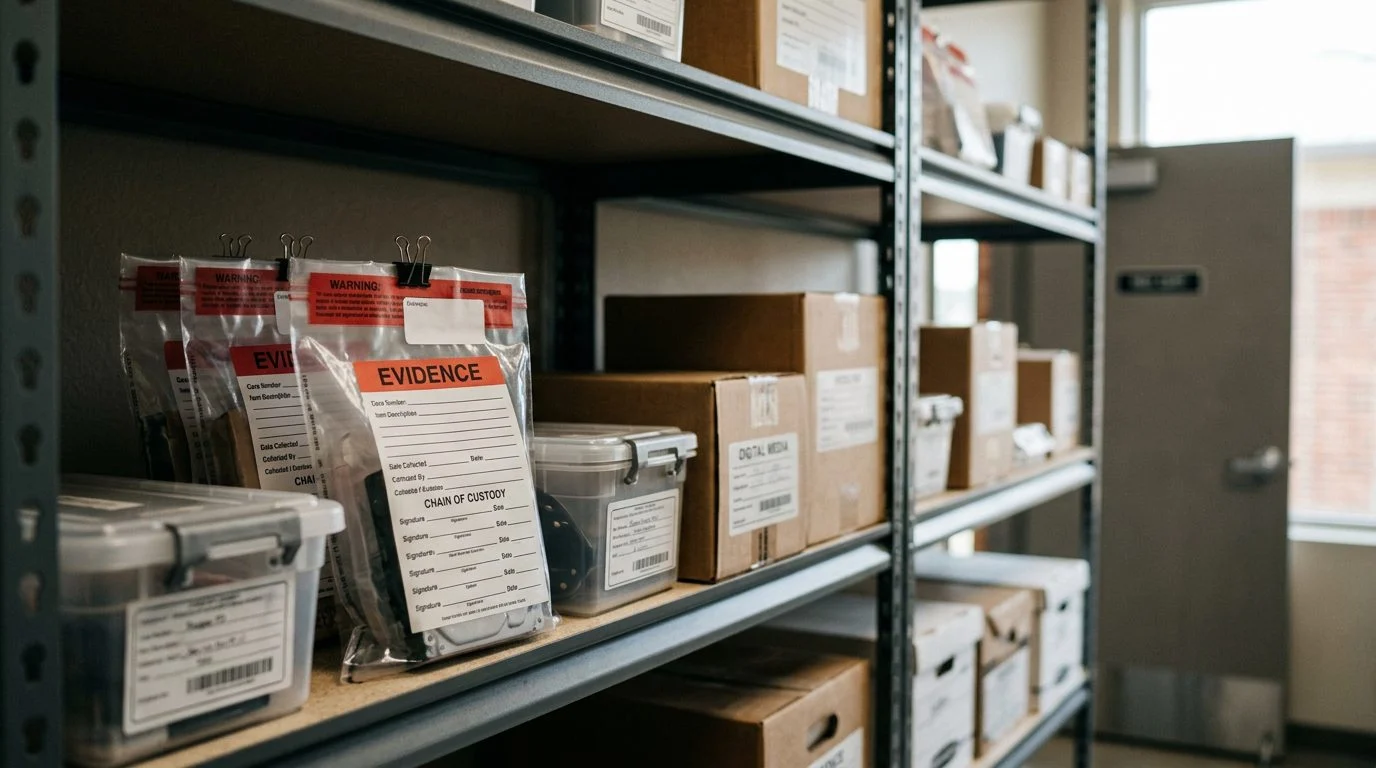
Gather the charging papers, bond conditions, any protective or supervision orders, the current address, and any proposed address. Add a list of schools, day-care centers, and playgrounds near each address.
Write down what police or prosecutors said, and when. Note where the person has lived, worked, and attended school. That record helps the review of any location limit. Keep copies of every document, and store originals safely.
Statements made during an investigation can affect a case. Write down anything said in interviews, including who was present. A lawyer can then judge how those statements fit the charge and the record.

Next Steps With Barbieri Law Firm
If a family member is facing a housing decision while the school question is still open, you don’t have to sort it out alone. Barbieri Law Firm defends professionals and others accused of sex crimes and assaultive offenses across Collin County, Dallas-Fort Worth, and Texas. Our lawyers review the charge, registration status, bond terms, and any location restriction, then explain your options. Call (972) 424-1902 or send your case details. The initial consultation is free, confidential, and without obligation to continue.
Can you live near a school with a child sex crime charge in Texas?
The answer depends on the facts, including the offense, registration status, and how the case ends.
What is a child safety zone in Texas?
For a defendant placed on community supervision for certain listed offenses, where the judge finds a child was the victim, it is a condition that bars the defendant from going within 1,000 feet of places where children commonly gather.
Does deferred adjudication avoid registration in Texas?
Not by itself, because Texas’s definition of a reportable conviction or adjudication can include deferred adjudication.
Attorney responsible for this site: Heather Barbieri, Barbieri Law Firm, Frisco, Texas.
How Barbieri Law Firm Approaches These Cases
Focused Criminal Defense
Heather Barbieri focuses her practice on sex crimes and assaultive offenses, defending clients in Collin County, Dallas-Fort Worth and across Texas.
Review of the Full Record
We review the charging documents, any court orders, supervision terms and registration paperwork so you understand exactly what your case involves.
Questions About Your Address
We look at where you live and work in relation to schools and other locations named in your paperwork, and explain what those facts may mean for your case.
Clear Options, Plainly Explained
We will walk you through your options at each stage of the case so you can make informed decisions.
Confidential From the First Call
Your conversations with our team are confidential, and you are under no obligation to continue after your initial consultation.
Before You Move or Sign Anything
Changing your address, signing a new supervision or registration document, or missing a court or registration requirement can create new problems. Ask a lawyer to review the paperwork before you take that step.
What We Review With You
Your Charge and Offense Details
We examine the exact offense listed, the alleged facts and the age and relationship information in the charging papers.
Supervision and Court Orders
We review any community supervision terms, conditions and orders so you know what the court has required of you.
Registration Status
We look at whether registration applies in your case and how your current paperwork and records line up with it.
Your Home, Work and Daily Life
We map where you live, work and travel against the locations named in your case so you can plan with accurate information.
Ask Your Questions Confidentially. Your Free Initial Consultation Has No Obligation.
Related practice areas
- How Texas Child Sex Crime Cases Unfold
- Should I Accept a Plea Offer on a Child Sexual Assault Charge in Texas?
Request a Consultation
Fill out the short form and we will take it from there.