

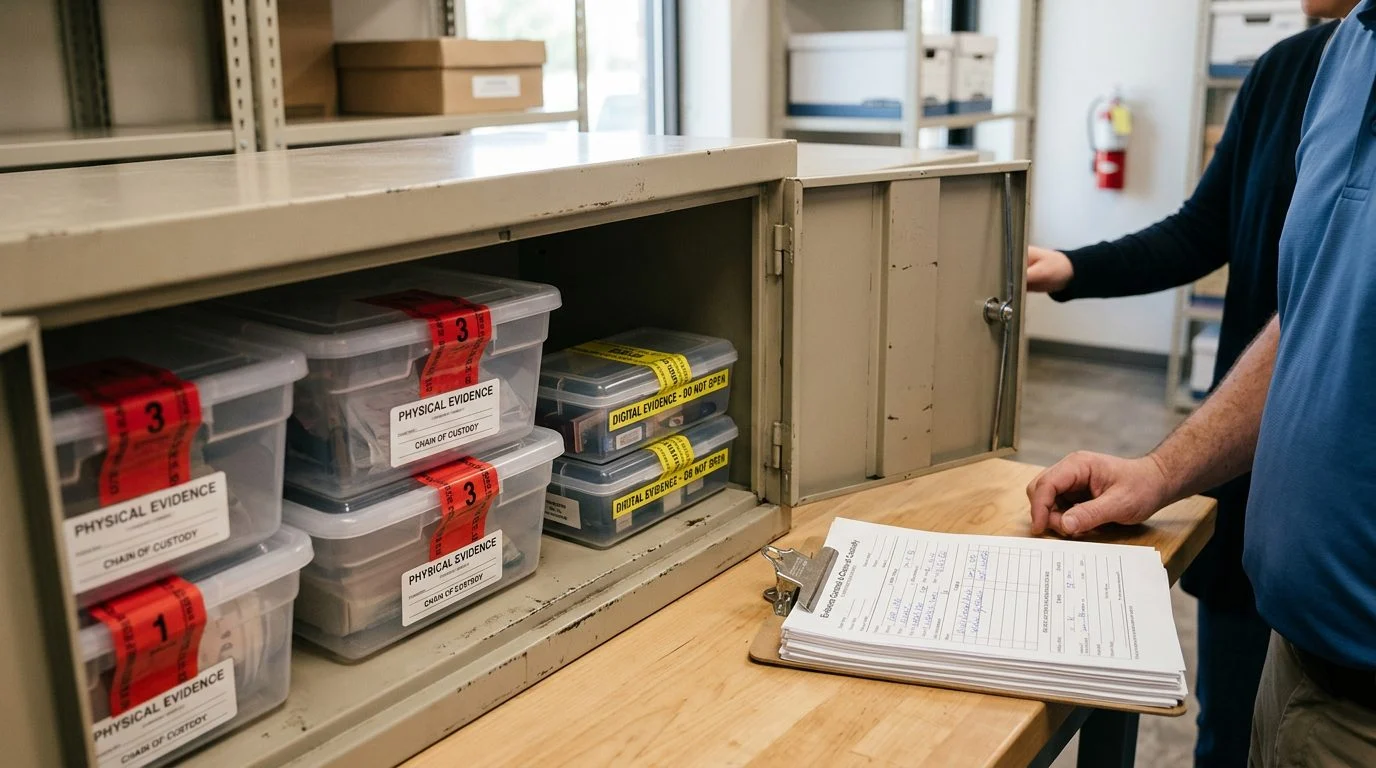
Family Violence and Child-Related Defense | Frisco, Texas
Accused of Child Abuse in a Custody Fight? Understand the Court Orders Before You Respond
A single accusation can open a criminal investigation and temporary family court orders at the same time.
By Heather Barbieri · Published November 19, 2026
If a child sex abuse allegation has surfaced in your custody case, a judge may act before any criminal trial.
This page explains what a court can order before trial, how a protective order works, and what early steps can protect your position.
Why a Custody Court May Act Before Any Trial Begins
A custody court can act before a criminal trial because the family case runs on its own track.
When an accusation comes up during a divorce, custody suit or CPS case, several things can happen at once. A state investigation may start, a parent may ask for temporary limits, and a criminal case may be opened. Each one moves on its own schedule.
The Department of Family and Protective Services must make a prompt and thorough investigation of an abuse report against a person responsible for a child’s care. That investigation goes forward without regard to a pending suit affecting the parent-child relationship (Texas Family Code § 261.301).
A judge can also act quickly on a protective order request. A court may issue a temporary ex parte order without notice and without a hearing, if the application shows a clear and present danger of conduct described by Article 7B.001(a)(1) or (2) or other harm to the applicant (Texas Code of Criminal Procedure Art. 7B.002).
That means no trial and no finding of guilt have to happen first. An accusation alone can start the process. Knowing this early helps you plan.
If a hearing is coming up, our team can review your papers and the charge with you before you appear in court. Talk it through with our team — the first consultation is free, confidential, and carries no obligation.
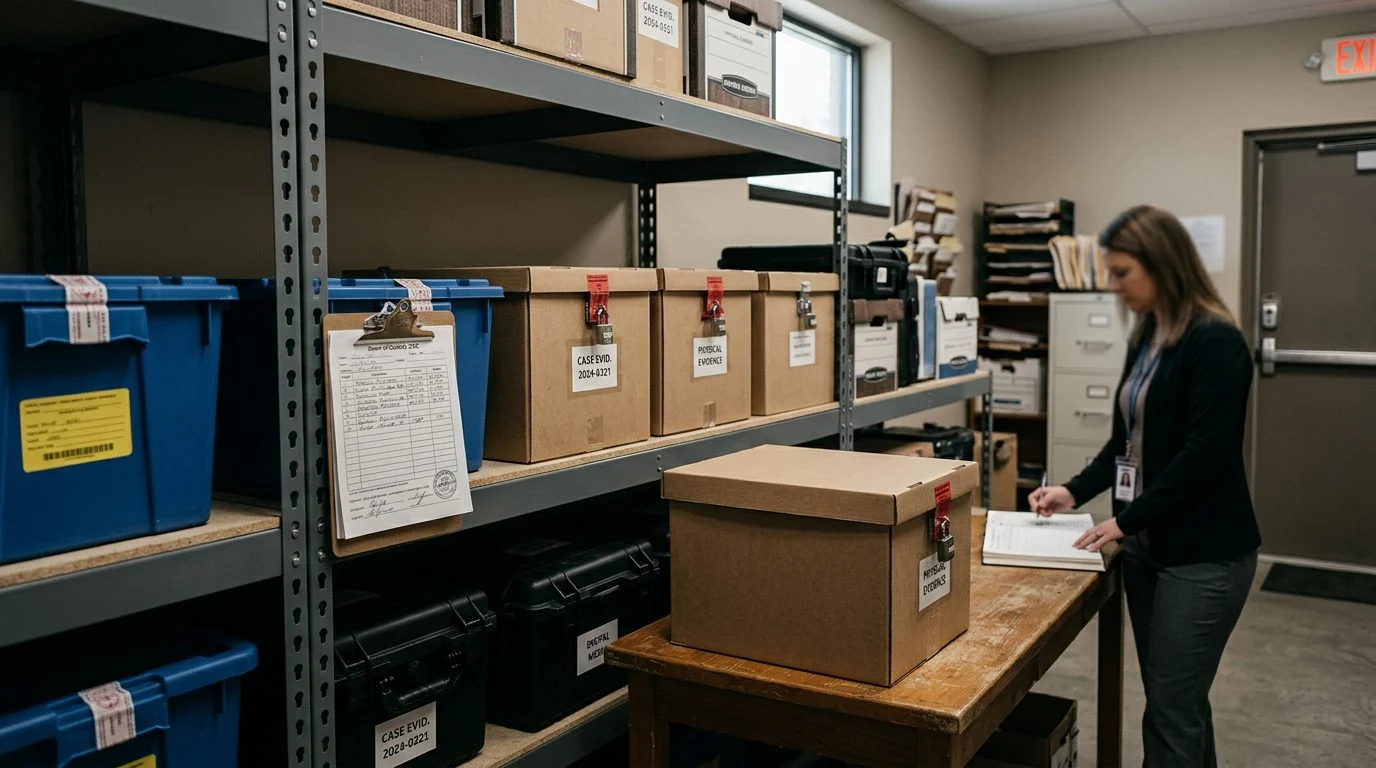
Temporary Orders a Texas Court Can Enter Before Trial
Possession and access orders decide when a parent sees a child and under what conditions. Requests may ask for supervised visits, restricted time, or no contact until the court hears the evidence.
The Texas Children’s Commission Bench Book notes that child-welfare case information and documentation can affect later divorce, custody, visitation and protective-order proceedings (Texas Children’s Commission Bench Book). Records from one proceeding can shape the next one.
Each order is written for one set of facts. Two cases with similar charges can end with different terms. The exact wording of the order controls what you may do, so read every line.
Protective Orders and What They Can Restrict
A Texas protective order can require the alleged offender to take action the court finds necessary to reduce the likelihood of future harm. It can also prohibit communicating with the protected person in a threatening or harassing manner. It can bar going to or near the home, workplace, child-care facility or school of the applicant or a member of the applicant’s family or household. It can also bar possessing a firearm, unless you are a peace officer actively employed as a sworn, full-time paid employee of a state agency or political subdivision (Texas Code of Criminal Procedure Art. 7B.005).
If an order restricts locations, the court must describe each prohibited place and any minimum distance you must keep, unless the court has received a request to keep information revealing the locations confidential (Art. 7B.005).
In a Family Code protective order case, the court must decide whether family violence has occurred. If it finds family violence, it must render a protective order against the person found to have committed it (Texas Family Code § 85.001).
Breaking an order can be a crime of its own. Get the order’s exact terms before you act. Get the order’s exact terms before you act.
How the Custody Case and the Criminal Case Can Run at the Same Time
The family case and the criminal case can run side by side. What you say or sign in one can matter in the other.
Each case has its own rules and timetable. One can move while the other is still open.
Many problems start at the DFPS interview. Before interviewing an alleged perpetrator, the department must tell that person, orally and in writing, that a recording may be made only as audio or video. The department must also say that any recording may be subject to subpoena under a court order (Texas Family Code § 261.3027).
If police question you in custody, whether your statement can be used depends on whether officers first gave the warnings. Those warnings include the right to remain silent (Dickerson v. United States).
Talk with your lawyer before you discuss the allegation with the other parent, the children or any witness. A message or conversation can reach a judge. For the broader CPS process, see what happens in a CPS sexual abuse investigation.
Forensic Interviews, Outcry Witnesses, and the Records a Judge May See
An outcry witness is the adult a child first told. That person may repeat the child’s account in court, but only under set rules.
Many child accounts begin with a report to DFPS or police. The Children’s Advocacy Centers of Texas educators guide explains how a child-abuse report is made and responded to, including DFPS and law-enforcement involvement (Children’s Advocacy Centers of Texas educators guide).
In a criminal prosecution for certain offenses against a child younger than 18 or a person with a disability, a hearsay statement of the alleged victim may be admitted under Texas Code of Criminal Procedure Art. 38.072 only if the party offering it gives notice on or before the 14th day before the date the proceeding begins, and the other conditions in Sec. 2(b) are met, including a reliability hearing and the requirement that the child or person with a disability testify or be available to testify.
In a suit affecting the parent-child relationship, a statement by a child 12 or younger about alleged abuse can be admitted. The court must find it reliable after a hearing, and the child must testify or be available, or the court must find using the statement is necessary to protect the child’s welfare (Texas Family Code § 104.006).
Investigation files matter too. After the 60th day after an investigation closes, DFPS generally may not reopen it or change its finding to find abuse occurred. Before that day, it may reopen only for good cause (Texas Family Code § 261.301). Medical records and investigation files are materials a judge may review, so each one should be tested.
Learn more about how an outcry witness account is handled in Texas.
Early Steps That Protect Your Position
The steps that help most are following every order exactly and keeping a clear written record.
Follow every existing order to the letter, even when it feels unfair. A missed exchange or a message sent the wrong way can become a new problem.
Keep a dated list of every contact with your children and the other parent. Include calls, messages and missed pickups. Keep copies of every court paper, notice and order in one place.
Do not post about the accusation online. Avoid contacting the person who made it, and do not question the children about what they said. Any of these can be used against you.
A defense lawyer reviews the petition, the temporary order request, the investigation records and the criminal charge together. That way, each hearing is prepared against the same evidence.
Not sure what your next step is?
Talk it through with our team — the first consultation is free, confidential, and carries no obligation.
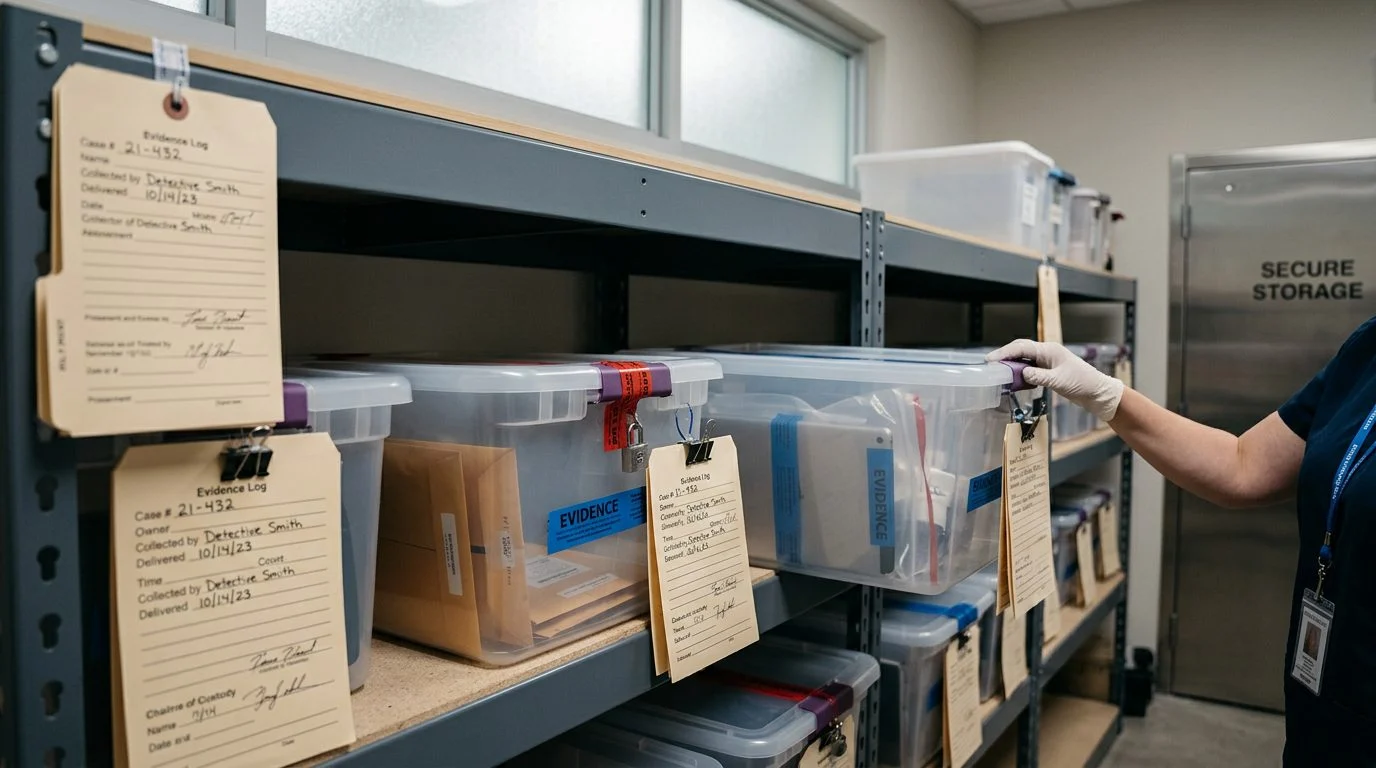
Talking With a Defense Lawyer Before the Next Hearing
Talking with a defense lawyer before your next hearing lets you test each request before a judge rules on it.
Can a Texas judge limit my time with my children before trial?
The terms depend on the facts.
Does a protective order require a trial?
No. A court may issue a temporary ex parte order without notice and without a hearing if it finds a clear and present danger (Art. 7B.002).
Is violating a protective order a crime?
Under Texas Penal Code § 25.07, it is an offense to knowingly or intentionally violate certain court orders, or a bond condition set in a family violence, sexual assault or abuse, indecent assault, stalking, or trafficking case that is related to the safety of a victim or the community.
You may have a temporary order hearing coming up, with decisions about your children and your freedom on the table at once. You do not have to sort through the papers alone. The initial consultation is free, confidential, and carries no obligation to continue. Call (972) 424-1902 or send your case details through the contact page. No lawyer can ensure an outcome, but we will review your papers and the charge with you and explain your options.
Attorney responsible for this site: Heather Barbieri, Barbieri Law Firm, Frisco, Texas.
How We Approach These Cases
We Look at Both Cases Together
An accusation in a custody dispute can lead to a criminal investigation and to court orders that limit your time with your children. We examine how each affects the other.
We Explain Each Step
Our team walks you through what the court has filed, what it may require of you and what happens next, in plain language.
Do Not Ignore Court Paperwork
If you have been served with a protective order or a temporary custody order, read it carefully and follow its terms exactly. Violating a protective order can lead to a separate criminal charge, even if the original accusation is never proven.
Common Questions in These Cases
Temporary Orders Before Trial
Texas courts can issue temporary orders early in a case, sometimes before any hearing on the merits.
Protective Orders Without a Trial
A protective order does not always follow a trial. We explain what the order says, what it restricts and how it may affect your time with your children.
Violating an Order
Breaking the terms of a protective order is a crime of its own. We help you understand every condition so you can avoid new charges.
Criminal and Custody Cases at Once
Statements, evidence and court dates in one case can affect the other.
Facing a Child Abuse Accusation in a Custody Case? Talk With Barbieri Law Firm. Your First Consultation Is Free, Confidential and Carries No Obligation to Continue.
Related practice areas
- Child Sex Crime Charges in Texas
- Arrested in an Online Sting? What the Chat Logs Must Prove in Texas
- Professional License Reporting After a Texas Sex Crime Charge
Request a Consultation
Fill out the short form and we will take it from there.