

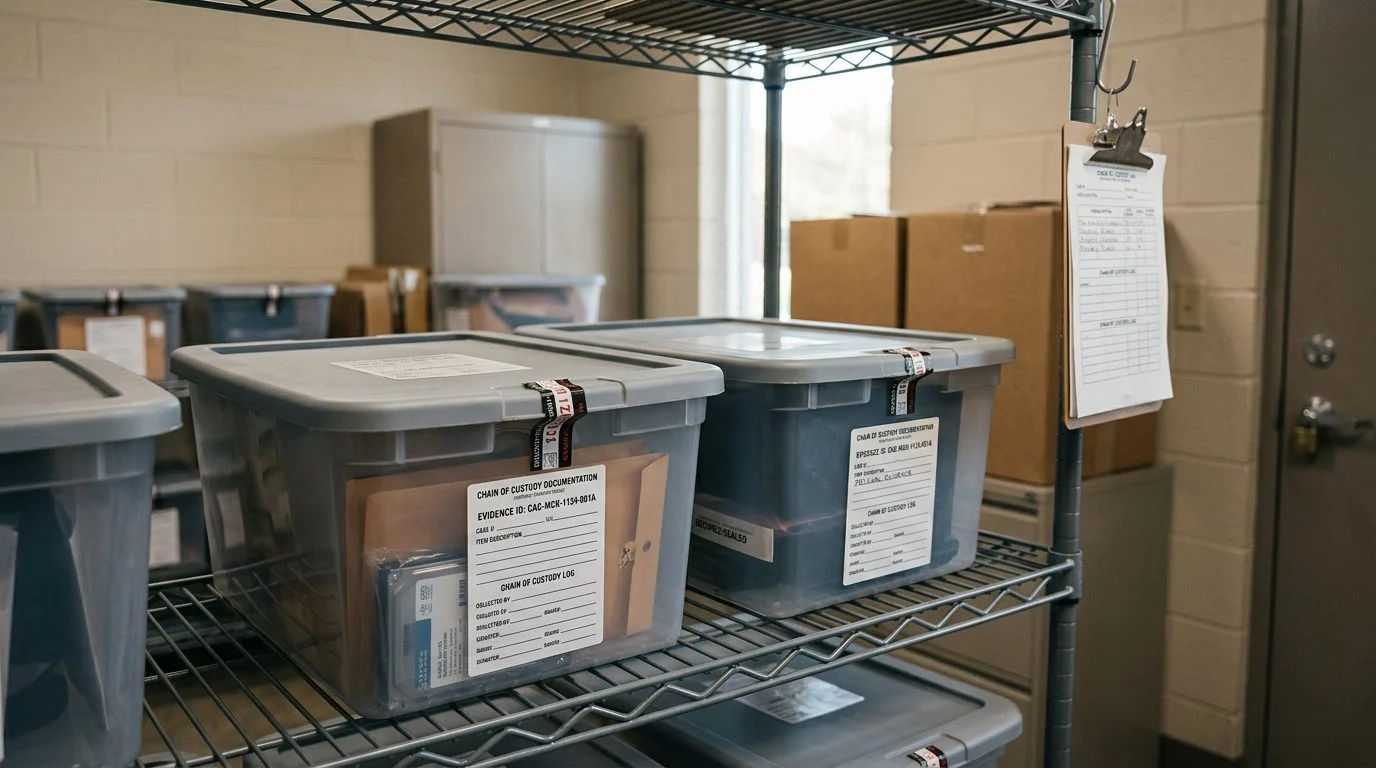
Criminal Defense · Frisco, Texas · Collin County and Dallas-Fort Worth
Facing a Child Sex Crimes Allegation or a CPS Investigation in Texas?
Barbieri Law Firm, an all-women criminal defense firm, focuses on defending professionals accused of child sex offenses across Texas.
By Heather Barbieri · Published November 15, 2026
If Child Protective Services has opened a case involving a child sexual abuse allegation against you, you probably want to know what it means for the criminal side. The short answer is yes, it can. The two tracks run separately, but information can move between them. Talk with a lawyer before any interview, safety plan or statement.
CPS Investigation vs. Criminal Case: Two Separate Tracks
A CPS investigation and a criminal case are separate processes, and both can be open at once. Texas DFPS abuse reporting guidance explains that Texas separates child-welfare investigations from law-enforcement criminal investigations.
The Texas Department of Family and Protective Services (DFPS) handles the child-welfare side. Its focus is whether a child is safe and what the household needs. It is not the body that decides criminal guilt.
The criminal case is brought by the state. Police investigate, and the District Attorney or County Attorney handles criminal charges. El Paso County’s overview of Child Protective Services describes that split of roles.
An open CPS case does not mean criminal charges have been filed. The same allegation can lead to both a CPS case and a criminal investigation. Charges may follow, depending on the facts.
The penalties differ too. Under Penal Code § 21.11, a person commits the offense in Subsection (a)(1) when, with a child younger than 17, the person engages in or causes sexual contact. The statute defines sexual contact as specified touching committed with the intent to arouse or gratify the sexual desire of any person. That offense is a second-degree felony. The statute also provides affirmative defenses, listed in subsections (b) and (b-1). Under Texas Penal Code § 21.11(a)(2), a person commits a third-degree felony by acting with intent to arouse or gratify sexual desire and either exposing the anus or any part of the genitals while knowing a child younger than 17 is present, or causing such a child to expose the anus or genitals.
If CPS has asked you for an interview or a safety plan while police are also looking at the allegation, we can review those requests with you before you respond. Talk it through with our team — the first consultation is free, confidential, and carries no obligation.
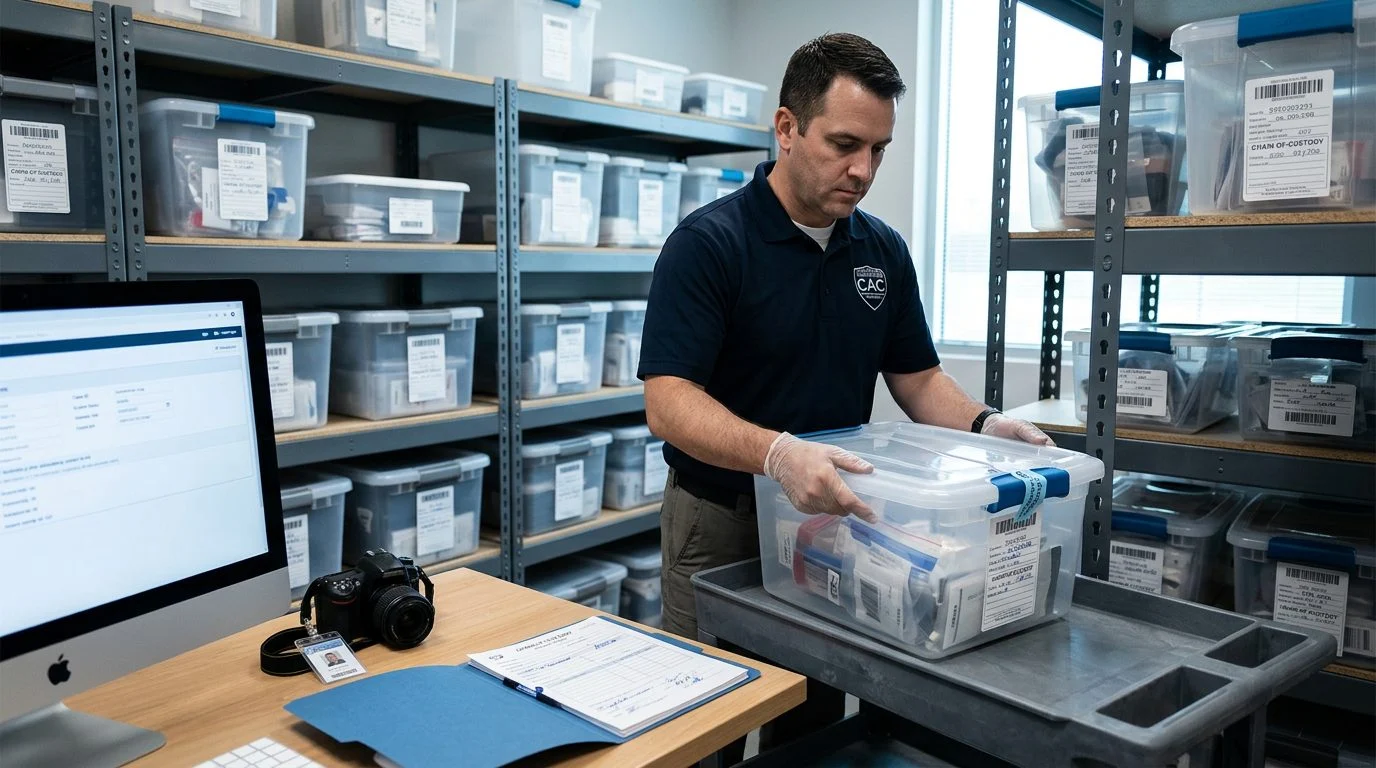
How CPS and Police Coordinate on a Child Sex Abuse Report
Reports can reach both DFPS and law enforcement, and the two agencies may share what they learn. Each agency gathers its own information on the same allegation.
Caseworkers talk with the family and the child. Investigators talk with witnesses and collect evidence. In a joint investigation, what one agency learns can reach the other.
Why does this matter to you? A statement you make to a caseworker may end up in front of an investigator. A note from a safety plan meeting may become part of a file. Assume that information may travel between agencies, even if a meeting felt informal.
Timing matters for this reason. The first conversation can set the facts that both agencies later use. Before you speak with either one, ask a lawyer how to handle that contact.
How Children Are Interviewed in These Cases
A child is usually questioned in a forensic interview, and how that interview is done can shape what comes next. Forensic interviews often take place at a children’s advocacy center, a setting built for talking with children about harm.
The adult the child first told is called an outcry witness. That person may later be asked what the child said, when, and how the words came out. Their account can carry weight in both tracks.
Interview method matters. Repeated questioning, suggestive wording or a change in interviewers can all raise questions about what the child said. Each agency may then rely on different parts of the record.
So what should you do? Don’t question the child about the allegation. Don’t ask family members to change their accounts. Don’t pressure anyone to remember events a certain way. Those steps can harm your position in both tracks.
How Long a CPS Investigation Can Take in Texas
A CPS investigation has its own time frames, and they do not have to match the criminal case. Timelines vary with the type of report, the steps the caseworker takes and whether the case is closed or extended.
The criminal case follows its own path. In Texas, the general stages include arrest, indictment, plea bargaining, trial and post-trial proceedings, as the Texas court system lesson describes.
One track can close while the other stays open. A CPS case can end while a criminal case is still pending, or the reverse. Don’t assume the end of one ends the other.
Ask a lawyer to track both sets of dates in one place. Note where each date comes from, so you can check it later.
How CPS Findings and Records Can Be Used in Other Proceedings
CPS records and findings can be used beyond the CPS case, depending on the facts.
Both can come up in family court after a CPS case.
A CPS finding can shape parenting-time talks in family court. A judge decides on the full record. No one can predict how a particular court will rule.
Protective orders matter too. Under Code of Criminal Procedure art. 7B.004, in a hearing on a protective order application under that subchapter, a statement by a child younger than 14 describing an offense under Penal Code § 21.02, 21.11, 22.011, 22.012 or 22.021 committed against the child is admissible in the same manner as a child’s abuse statement under Family Code § 104.006.
Before you sign anything, ask counsel which records may exist, who can see them and how they might be used.
What to Coordinate With Counsel Before Any Interview or Safety Plan
Talk with a lawyer before you answer questions or sign a safety plan. Early decisions often include:
- Whether to speak with a CPS caseworker, an officer or both
- What to say about who lives in the home and who visits
- What the proposed safety plan requires, including who may be in the home and who supervises contact with children
A safety plan can carry real obligations. It may limit who can be around the children, or set who supervises any contact. Read every term with counsel first. A plan you sign may be used later, in one track or both.
Keep a written record. For every contact with CPS, police, the child’s school or caregivers, write down the date, the time, the person’s name and what was said. Keep copies of anything you are given. A clear timeline helps your lawyer see what happened and when.
Not sure what your next step is?
Talk it through with our team — the first consultation is free, confidential, and carries no obligation.
When the Child Recants or the Account Changes
A change in a child’s account does not end either process on its own. Each agency and each proceeding weighs the evidence separately.
A recantation can raise its own questions. Investigators and courts may ask how the first disclosure came out, who heard it and what was said at each step. Because each track builds its own record, one change does not settle the other.
Families often want to sort things out quickly at home. Resist that urge. Any new statement from the child should go to counsel promptly. Don’t handle it informally within the family.

Talking With Heather Barbieri About Your Situation
Heather Barbieri leads the defense at Barbieri Law Firm, a Frisco, Texas firm. The firm defends people accused of sex crimes and assaultive offenses in Collin County, Dallas-Fort Worth and Texas. Its work includes child sex crimes defense, aggravated sexual assault defense and family violence defense.
For how a charge can affect custody and parenting time, read Texas child sex crimes charge consequences.
Does an open CPS case mean charges will be filed?
No. An open CPS case does not by itself mean criminal charges have been filed. The two can run at the same time.
Can a CPS finding be used in a Texas custody case?
It can be, depending on the facts.
If CPS has asked you for an interview or a safety plan while police are also looking at the allegation, you don’t have to decide alone. The initial consultation is free, confidential and carries no obligation to continue. Call (972) 424-1902 or send your case details through the contact page.
Attorney responsible for this site: Heather Barbieri, Barbieri Law Firm, Frisco, Texas.
No lawyer can ensure a particular outcome.
How our team approaches these cases
Careful review of the evidence
We review the allegations, the investigation and any records that have been gathered so you understand what the State has and what questions remain.
Coordinated attention
Our lawyers and staff work together on your matter, keeping communication steady while your case moves forward.
Confidential from the first call
Everything you share with us is handled in confidence, starting with your first conversation.
Before you answer questions
Investigators and caseworkers may ask you to explain what happened, to sign documents or to agree to interviews. Talking with a lawyer before you respond can help you understand what you are being asked to do.
Where a CPS case and a criminal case meet
An open CPS case
A CPS investigation does not by itself mean criminal charges have been filed. The two processes can run at the same time, and each can raise different concerns.
Criminal charges
A criminal case is handled by the prosecutor and the courts. We review the charge, the evidence and the timeline so you know where the case stands.
Online allegations
Some child-related allegations begin with electronic evidence or an online investigation. We review how that evidence was obtained and what it shows.
Talk with Barbieri Law Firm about your situation. The initial consultation is free, confidential and carries no obligation to continue.
Related practice areas
- Accused of a Child Sex Crime in Texas? What Happens Next, Step by Step
- What Is a Children’s Advocacy Center Forensic Interview? What the Accused Should Know in Texas
- What Is an Outcry Witness in a Texas Child Sex Crime Case?
- A Child Recanted an Abuse Accusation
Request a Consultation
Fill out the short form and we will take it from there.