

Child Sex Crimes Defense | Frisco, Texas
Facing a Child Sex Crime Charge Without Physical Evidence?
Heather Barbieri and our team review every part of the case, from the accusation and interviews to digital records, and explain your options in plain language.
By Heather Barbieri · Published October 31, 2026
Short Answer: Yes, a Texas Child Sex Crime Can Be Charged Without Physical Evidence
Yes. The main statutes describe conduct and intent, not a required kind of physical evidence. That is why these cases often turn on what a child said, what was recorded and how the account holds up over time.
A charge is a step in the case, not a finding of guilt. A prosecutor decides whether to file it based on the information available at that point. That information can grow or change as the file develops.
Many people hear “no physical evidence” and assume the case must fall apart. That assumption is risky. A case may rest on testimony and recordings instead, so each part of the file needs a close look.
This page covers parents, relatives and accused adults across Texas, including Collin County and the Dallas-Fort Worth area. Each case turns on its own facts. Knowing exactly what the charge rests on is the first step in deciding what to do next.
If a child has accused you or someone you love without physical proof, you do not have to work out the next steps alone. Our team offers a free, confidential first consultation. Talk it through with our team — the first consultation is free, confidential, and carries no obligation.

What Texas Law Says About Child Sex Offenses
Sexual assault is the core offense. Sexual assault is generally a second-degree felony in Texas, but certain circumstances can make it a first-degree felony or a state jail felony. Aggravated sexual assault, under § 22.021, is a first-degree felony.
Indecency with a child, under § 21.11, covers a child younger than 17. Sexual contact is a second-degree felony. Exposing the anus or genitals to a child, with intent to arouse or gratify sexual desire, is a third-degree felony.
Sexual contact has a set meaning. Under § 21.01, ‘sexual contact’ generally means touching the anus, breast or genitals of another person with intent to arouse or gratify sexual desire, but for indecency with a child, § 21.11 uses its own definition: touching, including through clothing, a child’s anus, breast or genitals, or touching any part of a child’s body with a person’s anus, breast or genitals, with that same intent. The intent part matters as much as the touching.
Section 22.011 also defines when an act is without consent. The list includes force, coercion, threats the other person believes, and situations where the other person has not consented and the actor knows the person is unconscious, physically unable to resist, or unaware the act is happening.
The question is what happened, what the accused intended, and whether a listed circumstance applies.
Can Someone Be Convicted Without Physical Evidence?
An accusation alone does not decide the case.
That makes the child’s account the center of many of these cases. The real questions become credibility and reliability. Did the account come from the child’s own words? Did it stay steady over time? How was the child asked about it?
A common mistake is to think no physical proof means the case will collapse on its own. It may not. Testimony and recordings can carry a case, so the defense has to test them directly.
Another mistake is to assume the jury will simply believe the accuser. Juries weigh evidence. Whether the State’s proof meets the standard is the question, and the record in each case answers it.
How These Cases Usually Start
Most of these cases begin with a disclosure. A child tells a parent, teacher, counselor or another trusted adult. That adult may report it to CPS, a school or police. Each step can create records and recordings.
The first adult a child tells can become an important witness. What the child said, when, and in what words often matter later. Notes and messages written at the time can help show what was said.
Forensic interviews at a child advocacy center are often recorded. The recording can become central evidence. The timing of the interview, the interviewer’s method and the exact questions asked all matter, so the recording deserves close review.
Online cases start another way. Online solicitation of a minor under § 33.021 covers knowingly soliciting a minor, over the Internet or by text, to meet with intent that the minor engage in sexual contact or intercourse. It is a second-degree felony. Under § 33.021(d), it is not a defense that the meeting did not occur. Some investigations involve task forces. The federal Internet Crimes Against Children program supports investigation of technology-facilitated child sexual exploitation.
What Prosecutors Rely On When There Is No Physical Proof
Without physical proof, the State usually relies on testimony, recordings and digital records. Each source has its own strengths and weak points.
Testimony is the core. That can include the child’s own statements, the adults who heard the first account, and any recorded forensic interview. The adults the child first told are often called outcry witnesses.
In online cases, phone records, messages, images and account data can carry much of the weight. These records often show timing and contact, but they do not always show who was typing or what was meant.
Medical records are a third source. The Texas Attorney General guidance explains those procedures.
A medical exam with no findings does not by itself answer whether an offense occurred. Qualified medical professionals should explain what a finding, or the lack of one, means in the case. Read any report with that question in mind.
How a Child Sex Crime Case Is Tested in Court
A case built on testimony is tested mainly through the account itself and the process used to get it.
- Consistency. Compare the first outcry with CPS or school reports, the forensic interview and later statements.
- Timeline and access. Check dates, places, schedules and who had access to the child at each time described.
- Interview method. Review whether questions were open or suggestive, and whether the process followed recognized protocols.
- Timing of the report. Ask when the first disclosure came, and whether the record explains any delay.
- Context. Custody or family disputes can bear on why an accusation was made. Those points are judged from the record, not assumed.
- Other allegations. Texas prosecutors may seek to offer evidence of other alleged acts against other children. The TDCAA article on prior-act evidence explains that procedure.
In the end, the jury weighs credibility.
Not sure what your next step is?
Talk it through with our team — the first consultation is free, confidential, and carries no obligation.
How We Review a Case Built Without Physical Evidence
We start by reading the whole file, then explain the charge and the options in plain terms.
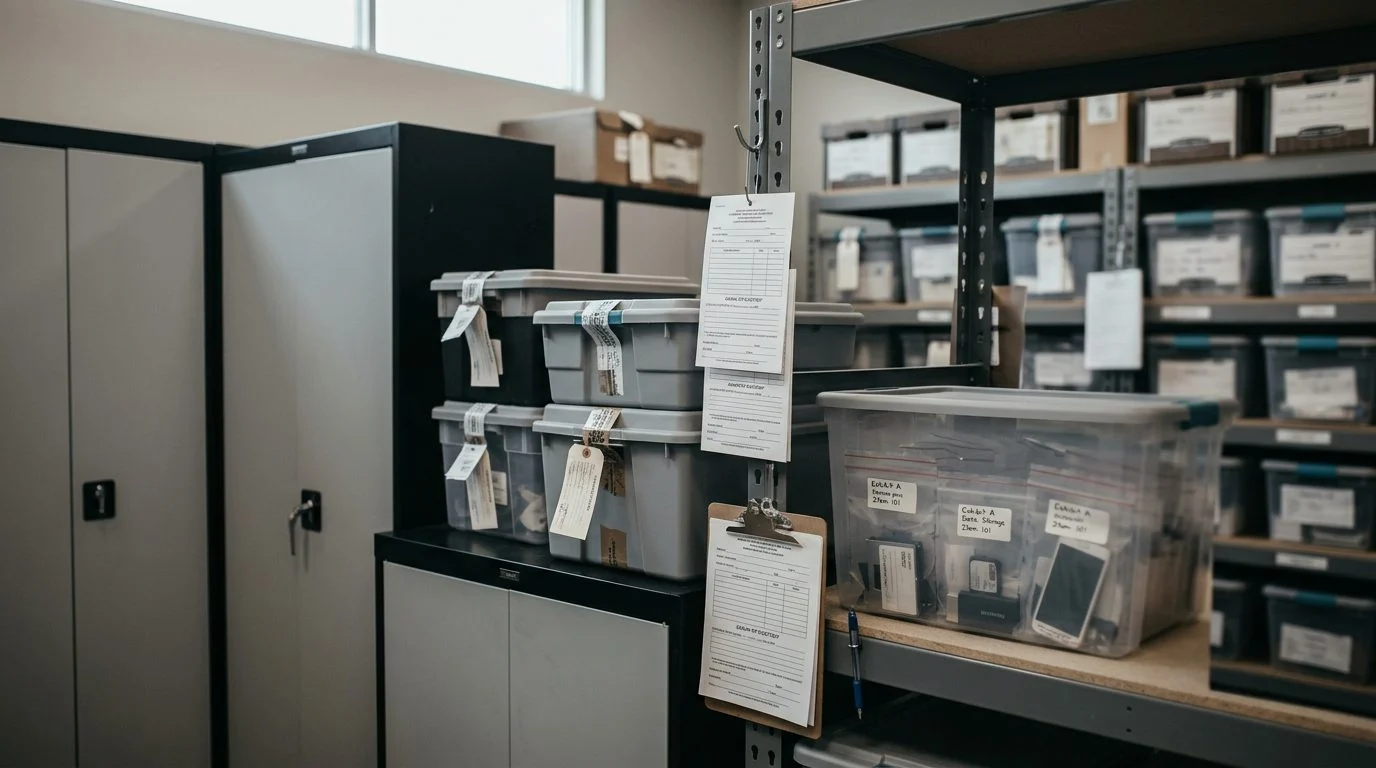
Our review begins with the offense report, any recorded interviews, digital evidence, medical records, and any CPS or school documents.
Next, we build a timeline from the record. We mark inconsistencies, gaps and questions the evidence does not answer. That work shows which points are firm and which are still open.
We review the charge with you and explain your options at each stage. We will walk through the recordings and records with you and explain your options. No lawyer can say how a case will end.
Two early mistakes can hurt a defense. The first is speaking with investigators, school staff or CPS before anyone has reviewed the charge. The second is posting about the accusation online.
Talk With Barbieri Law Firm About Your Situation
If a child has made an accusation against you or someone close to you, the next choices matter. You may need to decide whether to speak with investigators, how to answer a school or CPS process, or what to do with phones, messages and accounts. Those decisions are easier to make with the file in view.
Can a child sex crime be charged without physical evidence Texas?
Yes. Texas law does not make physical proof a required element of these offenses.
Is a charge the same as a conviction?
No. A charge is a step in the case, not a finding of guilt.
Can I request the police report?
If you’re facing this now, call (972) 424-1902 or send your case details. Our first consultation is free, confidential and comes with no obligation to continue.
About the author: Heather Jean Barbieri, Board Certified, Criminal Law — Texas Board of Legal Specialization. Barbieri Law Firm defends professionals accused of sex crimes and assaultive offenses across Collin County, Dallas-Fort Worth and Texas.
Attorney responsible for this site: Heather Barbieri, Barbieri Law Firm, Frisco, Texas.
How our team approaches these cases
We review the accusation itself
We look closely at the specific allegations, the statute charged and the timeline, and identify what the State must prove.
We examine the interviews
We review how statements were gathered, including any forensic interview recordings, and what was said, asked and recorded.
We look at digital evidence
We review phone, messaging and account records to see what they show and what they do not show.
We explain your options
We walk you through each step of the case so you understand your choices before you decide anything.
A charge is not a conviction
Anything you say to police or investigators can become part of the case, so speak with a lawyer before answering questions or giving any statement.
Evidence we often review in these cases
Forensic interview recordings
How a child was interviewed, by whom, and whether the process was documented and followed proper procedure.
Phone and online records
Messages, account activity, timestamps and device data that may support or weaken the accusation.
Witness statements and timelines
Consistency across accounts, the dates involved and whether the details fit the events described.
Medical, school and family records
Records that may bear on the allegations, including what they do and do not establish.
Talk with Heather Barbieri and our team about your case
Related practice areas
Request a Consultation
Fill out the short form and we will take it from there.