

Sex Crimes Defense | Frisco, Texas
Can a Polygraph Help If a Child Abuse Accusation Is False?
A polygraph can be part of a defense, but only when it is placed alongside the full record of what was said, when, and by whom.
By Heather Barbieri · Published November 21, 2026
Imagine you have just learned that someone accused you of touching a child, or you were arrested in an online sting. You want to prove the accusation is false, and a polygraph sounds like a fast way to do it.
Whether a polygraph is useful depends on the facts of your situation. Whether a test belongs in your defense depends on the charge, the evidence and the timeline.
Why a Polygraph Question Comes Up So Fast After an Accusation
Many men ask about a polygraph because they want a quick way to show the accusation is untrue. That wish makes sense when a divorce, custody fight or child protective case is already moving.
The stakes are high. A first-degree felony in Texas can be punished by life, or by a term of not less than 5 years and not more than 99 years, plus a possible fine of up to $10,000, according to Texas Penal Code § 12.32. Some child charges carry similar or harsher ranges, so you need a clear plan from the start.
Fear pushes people toward fast answers. A careful answer starts with the charge itself, then the evidence, and only then the question of testing.
If you are facing a child or online sex crime accusation right now, send us your case details and we will review your charge and timeline with you. Talk it through with our team — the first consultation is free, confidential, and carries no obligation.
What a Polygraph Measures and What It Does Not Prove
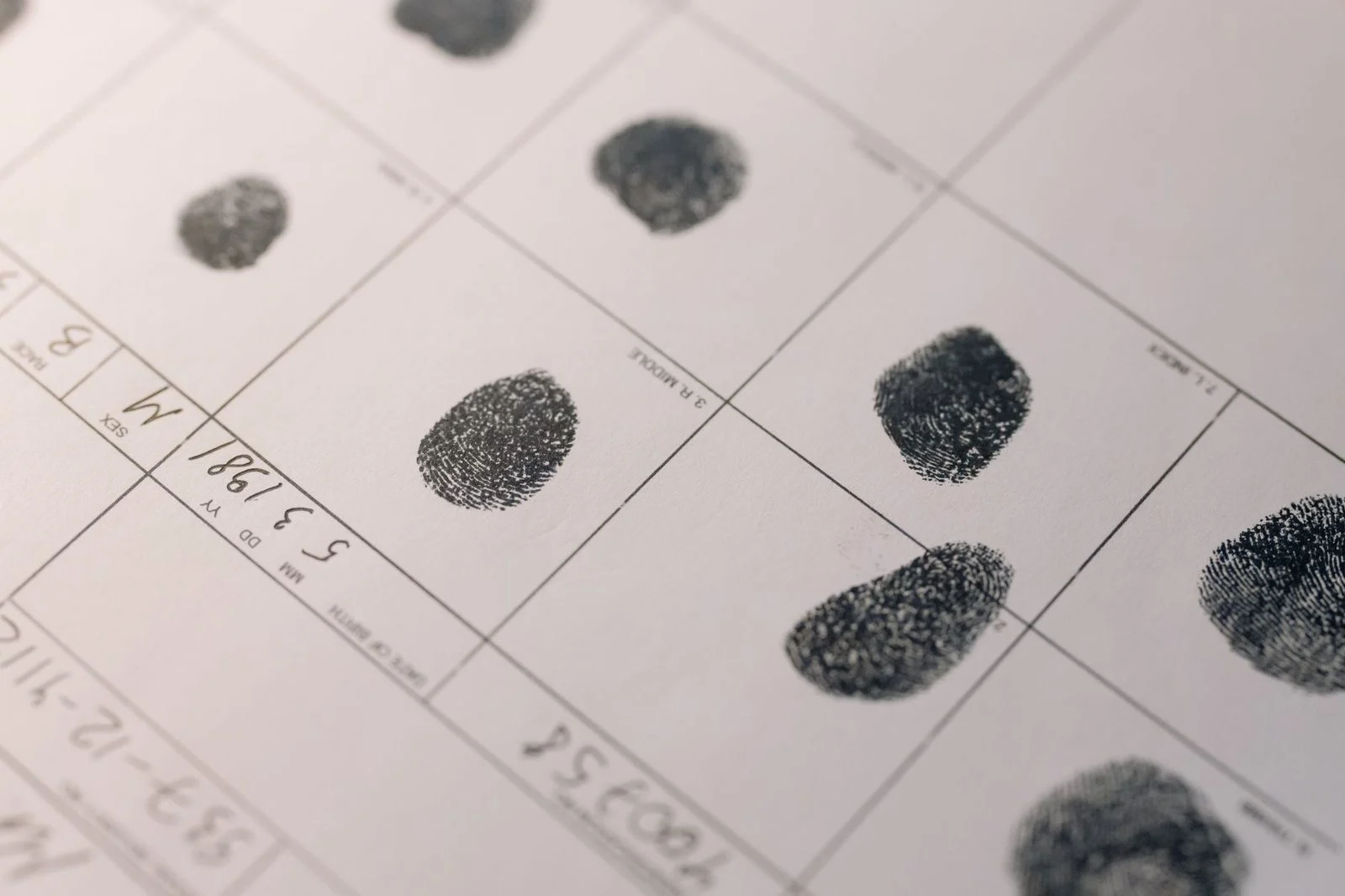
A polygraph records body responses, such as breathing, heart rate and skin changes, while a person answers questions. The test does not read minds, and it does not show a lie the way a camera shows an act.
A person reads the chart. That reading depends on the examiner, the questions asked and the format of the test.
Even a clean chart does not establish what happened. It does not replace the physical, digital and witness evidence that a prosecutor will rely on. It also does not answer the accuser’s account by itself.
Whether a Polygraph Result Can Be Used in a Texas Criminal Case
Whether a polygraph result is admissible in a Texas criminal case depends on the rules of evidence and the facts of the case.
A test taken to understand your own facts is different from testimony a prosecutor can use. Keep that difference in mind before anyone schedules a test.
The admissibility rules are technical. A defense lawyer checks them against your specific charge and court before any testing decision is made.
Frequently asked questions
Can a polygraph result be used in a Texas criminal trial?
Whether a polygraph result can be offered as evidence depends on the rules that apply to a specific proceeding, and we will review those rules with you as part of your case. A lawyer reviews the rules for your charge.
Can a polygraph prove a child sex accusation is false?
No single test proves what happened. It is one piece of information that a defense lawyer weighs against the rest of the evidence.
Timing, Who Arranges Testing, and What to Say First
Testing decisions should come after a lawyer reviews the case, not before. Statements made early can shape the case later, even when they seem harmless.
If a Child Protective Investigations worker wants to interview you, state law requires notice first. The department must tell you, orally and in writing, that you may record the interview but may not record it in any other way, and that a recording may be subject to subpoena. See Texas Family Code § 261.3027.
Police questioning in custody has its own rules. Under Miranda v. Arizona, police must tell you before custodial questioning that you may stay silent and that you may have an attorney present. The Fifth Amendment also shields you from being forced to testify against yourself in a criminal case.
Arranging a test on your own can put your words on record before a lawyer has reviewed the charge. The lawyer, not you, should decide whether testing happens, who the examiner is and what questions are asked.
How Testing Fits With the Rest of the Defense
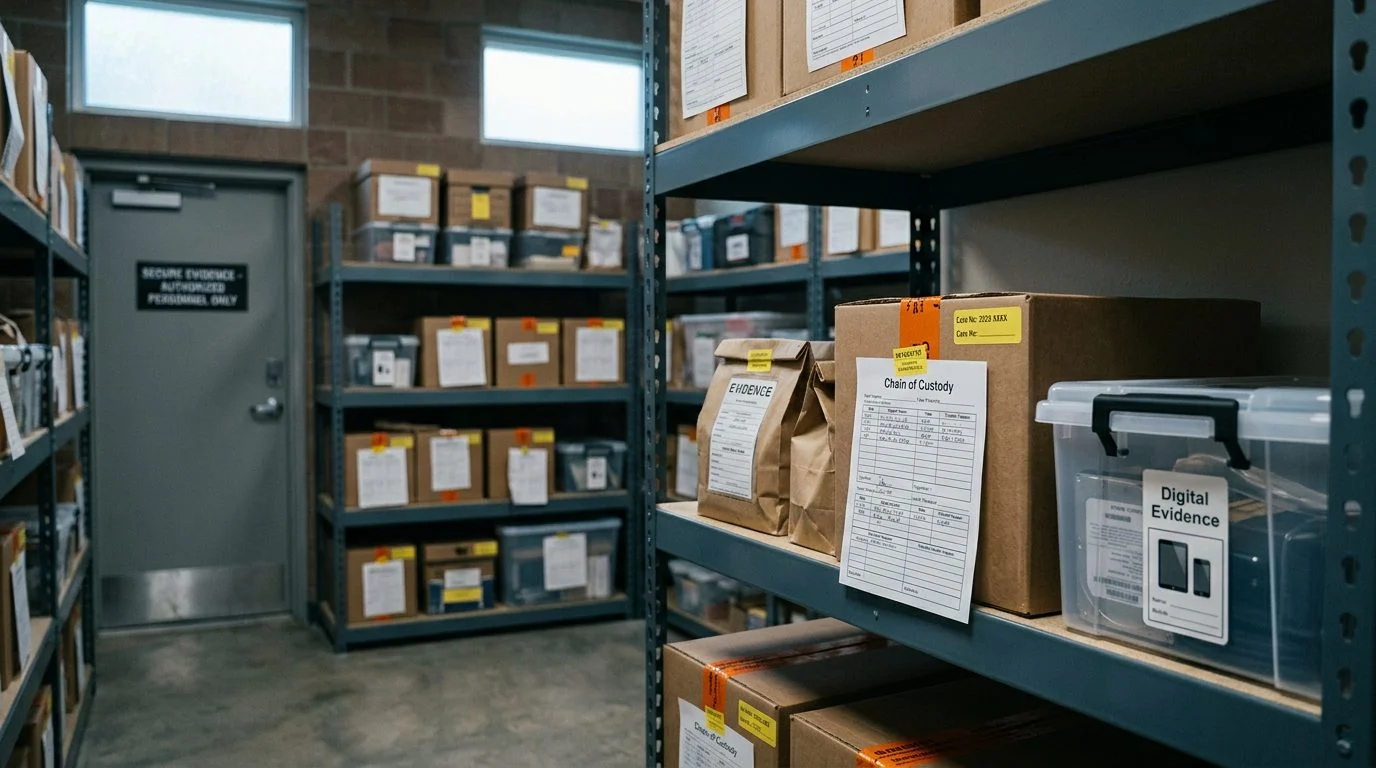
A polygraph is one piece of a defense, not the center of it. A review starts with the accusation itself: the dates, the child’s statements, any forensic interview, medical findings, messages and devices.
Phones and computers matter a great deal. Under Texas Code of Criminal Procedure art. 18.0215, an officer may not search a person’s phone after a lawful arrest without a warrant, unless a listed exception applies. The U.S. Supreme Court held in Riley v. California that officers generally must obtain a warrant before searching the digital contents of a cell phone, though other case-specific exceptions may apply.
Under Texas Code of Criminal Procedure Article 39.14, your attorney may ask the prosecution to produce its evidence, but Article 39.14(e) generally bars you and your defense from disclosing that material to third parties unless an exception applies. Under Texas Code of Criminal Procedure art. 39.14, subject to the restrictions in Section 264.408, Family Code, and Article 39.15 of this code, the state must produce offense reports and recorded witness statements after a timely request.
We will review the evidence, including recordings, device contents and reports, and explain your options. That review decides whether a polygraph belongs in the plan at all.
How a Pending Case Can Affect Your Relationship With Your Children
A criminal case and a family or child protective matter run on separate tracks. A DFPS investigation of a report of child abuse or neglect allegedly committed by a person responsible for a child’s care, custody, or welfare must be conducted without regard to any pending suit affecting the parent-child relationship, under Texas Family Code § 261.301.
Each one has its own hearings and deadlines, so each needs its own strategy.
Keep every conversation about the accusation with your lawyer. Talking with the other parent, relatives or the accuser can create statements that are hard to undo.
Not sure what your next step is?
Talk it through with our team — the first consultation is free, confidential, and carries no obligation.

Talk Through Your Accusation With a Texas Criminal Defense Lawyer
The right next step is a private conversation about your accusation before you decide on any test. Barbieri Law Firm defends people accused of sex crimes and assaultive offenses across Collin County and Texas.
A child sex crime charge, an online solicitation charge or a continuous sexual abuse charge each has different elements and penalties. Under Texas Penal Code § 21.02, a conviction carries life or 25 to 99 years, so the details matter.
The initial consultation is free, confidential and carries no obligation to continue. No lawyer can predict or ensure an outcome, but a review of your charge, timeline and evidence gives you a clearer picture.
If you are facing this accusation now, contact our office to send your case details. We will review the accusation, the charge and the timeline with you.
Attorney responsible for this site: Heather Barbieri, Barbieri Law Firm, Frisco, Texas.
How our team approaches a child abuse accusation
We review the accusation in full
We start with the police report, forensic interview records, medical findings and any statements already given, so we understand exactly what is alleged.
We examine how any test was conducted
We look at who arranged the examination, the examiner's qualifications, the questions asked and the conditions under which the test was given.
We place any result in context
A test result is one piece of evidence. We explain how it fits with the other facts in your case and what it may or may not show.
We explain your options in plain language
You will know what each option involves before you decide anything, including whether to speak with investigators.
Speak with a lawyer before you agree to a test or interview
Investigators may ask you to take a polygraph or give a statement quickly. Talking with a criminal defense lawyer first helps you understand what the request means for your case before you respond.
Questions we ask about any polygraph in a child abuse case
Who requested the test?
The source of the request affects how the result is used, and whether it was requested by investigators, a prosecutor or your own lawyer.
How was the test given?
We review the pre-test interview, the questions asked, the recording of the session and the examiner's written report.
What can the result show?
No single test proves what happened. We examine what the test measured and what it cannot establish.
How does it fit the other evidence?
We compare the test with the accuser's statements, timelines, witnesses and any physical or digital records in the file.
The initial consultation is free, confidential and comes with no obligation to continue.
Related practice areas
Request a Consultation
Fill out the short form and we will take it from there.