

Frisco, Texas | Collin County and Dallas-Fort Worth
Accused Based on a Child's Outcry? Get a Defense Lawyer Involved Early
Heather Barbieri and our team review the interview, the records and the timeline with you from the first conversation, so you understand where the case stands.
About Barbieri Law Firm
Free
Initial consultation, confidential and with no obligation to continue
All-women
Criminal defense firm led by Heather Barbieri
Frisco
Serving Collin County, Dallas-Fort Worth and Texas
By Heather Barbieri · Published November 13, 2026
If someone you love has been accused of child abuse in Texas, you may be hearing terms like “outcry witness” and “forensic interview” for the first time. This guide explains how an outcry witness fits into a child abuse accusation in Texas and what usually happens next.
Texas cases often move on several tracks at once, so it helps to learn the pieces early.
What an outcry witness is and why the first statement matters
An outcry witness is usually the first adult a child tells about alleged abuse. That person is often a parent, relative, teacher, or caregiver. Who that person is, and what the child said to them, can shape the entire case.
Texas has a special rule for some child statements. Hearsay is an out-of-court statement offered to prove what it says. Under Tex. Code Crim. Proc. art. 7B.004, a statement by a child under 14 about certain listed offenses can be admissible at a protective order hearing. That rule covers that hearing, not every trial.
Defense lawyers look closely at the first disclosure. They ask:
- Who heard it first?
- When and where was it said?
- What words did the child use?
- Had anyone talked with the child about the topic before?
Whether a given statement qualifies turns on its details.
If someone you love has been accused, you don't have to sort through the interviews and court papers alone. We can review them with you and explain your options. Talk it through with our team — the first consultation is free, confidential, and carries no obligation.

How a forensic interview is conducted
A forensic interview is a structured conversation with a child about possible abuse. Children’s Advocacy Centers of Texas describes how these centers and multidisciplinary teams conduct and coordinate such interviews.
Investigators and child protective staff may be part of the case. The interview may be recorded, and if a recording exists, it can become central evidence. Interviews often move from rapport and ground rules to open-ended questions, then to more specific ones.
Family members should understand three things early:
- Who scheduled the interview and who can see the recording.
- Which agency is leading the investigation.
- What paperwork came with the notice, such as a CPS letter or a police report.
If someone asks you to bring a child to an interview, ask the investigator which agency is involved and what happens next. If you have any contact with a child connected to the case, avoid quizzing that child at home about the story. Later questions can add to the record that the defense will examine.
What the defense examines in the disclosure process
The defense checks whether the child’s account is reliable and consistent across every record. Review usually starts with the recording, then moves to the other records.
- Questions that suggest an answer, and repeated questioning.
- Interviewer statements that introduce details the child never mentioned.
- Consistency with the outcry witness, medical records, and any CPS or school notes.
- Timing, earlier talks about the topic, and other explanations for the child’s words or behavior.
A change in the account over time is not automatically a problem, but the defense needs to know about it. Medical exam findings are a separate body of evidence and get their own review. Through discovery, the defense asks for the records the state holds, then decides what to challenge before trial.
The Texas Children’s Commission benchbook describes Texas admissibility requirements for child abuse statements.
How a child’s competency and testimony are handled at trial
The Texas Children’s Commission benchbook covers child witness testimony, including prerecorded testimony.
The defense can challenge whether a child is competent to testify.
Cross-examination tests memory, wording, and who heard what first. Lawyers often describe it as the point where the defense tests the story in open court.
How one accusation can touch CPS, criminal, and custody cases
One accusation can open a CPS investigation, a criminal case, and a custody matter. Each runs on its own track, with its own steps and its own records.
Bond conditions can also limit contact. Examples include:
- Threatening or harassing a protected person.
- Communicating in a way the order bars, unless the communication goes through the person’s attorney or a court-appointed person.
- Going to or near a school or child care facility where a protected child normally resides or attends can be an offense if the order or bond condition specifically describes that place.
The charge matters too. Indecency with a child by sexual contact is a second-degree felony under Penal Code § 21.11.
Registration depends on the charge and the result. For other registrable offenses, it can end on the tenth anniversary of the relevant release, discharge, or dismissal date. Some exceptions apply.
What to expect when the defense process starts
The process usually starts with a consultation, then a records review and a plan for the case. Here are the steps.
- Consultation. We review the accusation, the charge, and any bond or CPS paperwork.
- Records. We gather the recording, police reports, medical exam records, and CPS documents.
- Bond and no-contact issues. We address them early, while the case is still taking shape.
- Discovery and motions. We investigate and may challenge the outcry statement and the interview process.
- Negotiation or trial preparation. We explain the options for this specific case.
Early on, the most useful step is putting every notice, letter, and court paper in one folder. Timelines vary with the county court’s schedule and the facts of each case.
Not sure what your next step is?
Talk it through with our team — the first consultation is free, confidential, and carries no obligation.
Why Barbieri Law Firm for a child abuse accusation
Barbieri Law Firm is an all-women criminal defense firm based in Frisco, Texas. We defend people accused of sex crimes and assaultive offenses across Collin County, Dallas-Fort Worth, and Texas. Our work includes child sex crimes, aggravated sexual assault, online sex crimes, aggravated assault, and family violence.
Heather Jean Barbieri, Board Certified, Criminal Law — Texas Board of Legal Specialization.
Heather Barbieri heads the firm. Carrie Thomas is also a lawyer at the firm, and the firm has support staff.
We will review the evidence, including any recording, medical records, and CPS documents, and explain your options. No attorney can say how a case will end.
Frequently asked questions
Short answers to the questions families ask most.
Does the outcry witness have to testify?
Can the forensic interview be challenged?
Yes. The defense can review the recording and raise challenges before trial.
Can your loved one keep contact with the child during the case?
Bond conditions and any custody orders control contact. Violating a bond condition can be its own offense under Tex. Penal Code § 25.07 when the case is a family violence, sexual assault or abuse, indecent assault, stalking, or trafficking case and the condition is related to the safety of a victim or the safety of the community.
Does a CPS investigation mean a criminal charge will follow?
No, not automatically. CPS and criminal cases run on separate tracks, with their own steps.
How much does a consultation cost?
The first consultation is free, confidential, and without obligation.
Not sure what your next step is?
You don’t have to work out the next step alone. If someone you love has been accused, you may be holding bond papers and CPS letters you never expected to receive. Send us your case details, including any bond paperwork and CPS notices, through our contact page, or call (972) 424-1902.
Attorney responsible for this site: Heather Barbieri, Barbieri Law Firm, Frisco, Texas.
How We Approach an Outcry Case
Review the recording
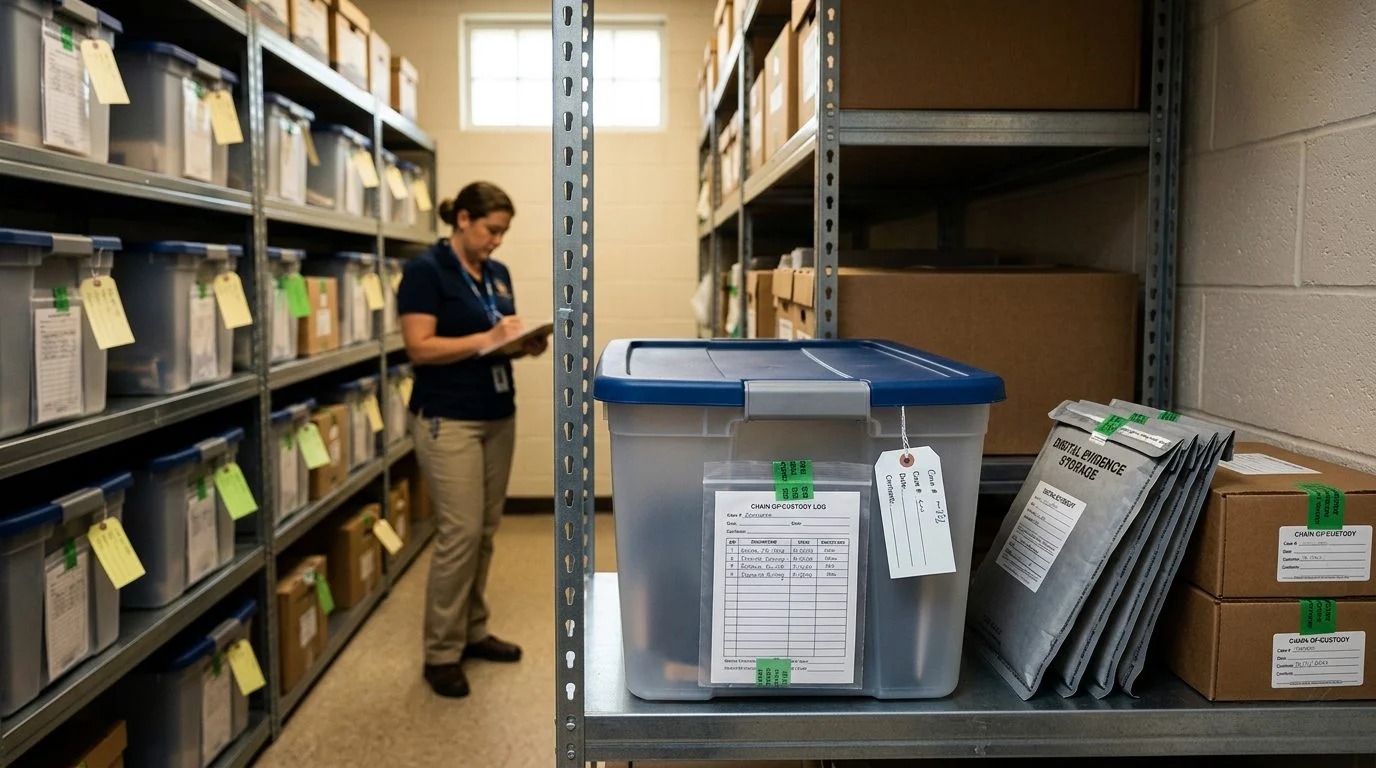
We review the forensic interview, the police and child protective services reports, and any medical records to see what was said, how it was said and by whom.
Build the timeline
We map out the dates, the places and the people involved so the account can be tested against what the records show.
Explain your options
We walk you through the charge, the bond conditions and the steps ahead in plain language, so you can make informed decisions.
Respect your privacy
What you share with us is confidential. Our team handles every call and case with discretion for you and your family.
Talk to a lawyer before you give a statement
Contact a defense lawyer before you answer questions or sign any document about the accusation.
What a Child Outcry Case Can Involve
The initial report
An outcry may begin with a teacher, a parent or a counselor. Early statements often shape how the case develops, which is why we look at them closely.
The forensic interview
Many cases rely on a recorded interview with the child. We review how it was conducted and whether its method and content can be challenged.
Investigation and charges
Police, prosecutors and child protective services may each gather evidence. We examine the evidence, the charges and what each agency relies on.
Bond and contact conditions
Bond terms and custody orders control contact with the child. Violating a condition can create a separate problem, so we explain every requirement clearly.
Speak with a defense lawyer about your situation
Related practice areas
Request a Consultation
Fill out the short form and we will take it from there.