

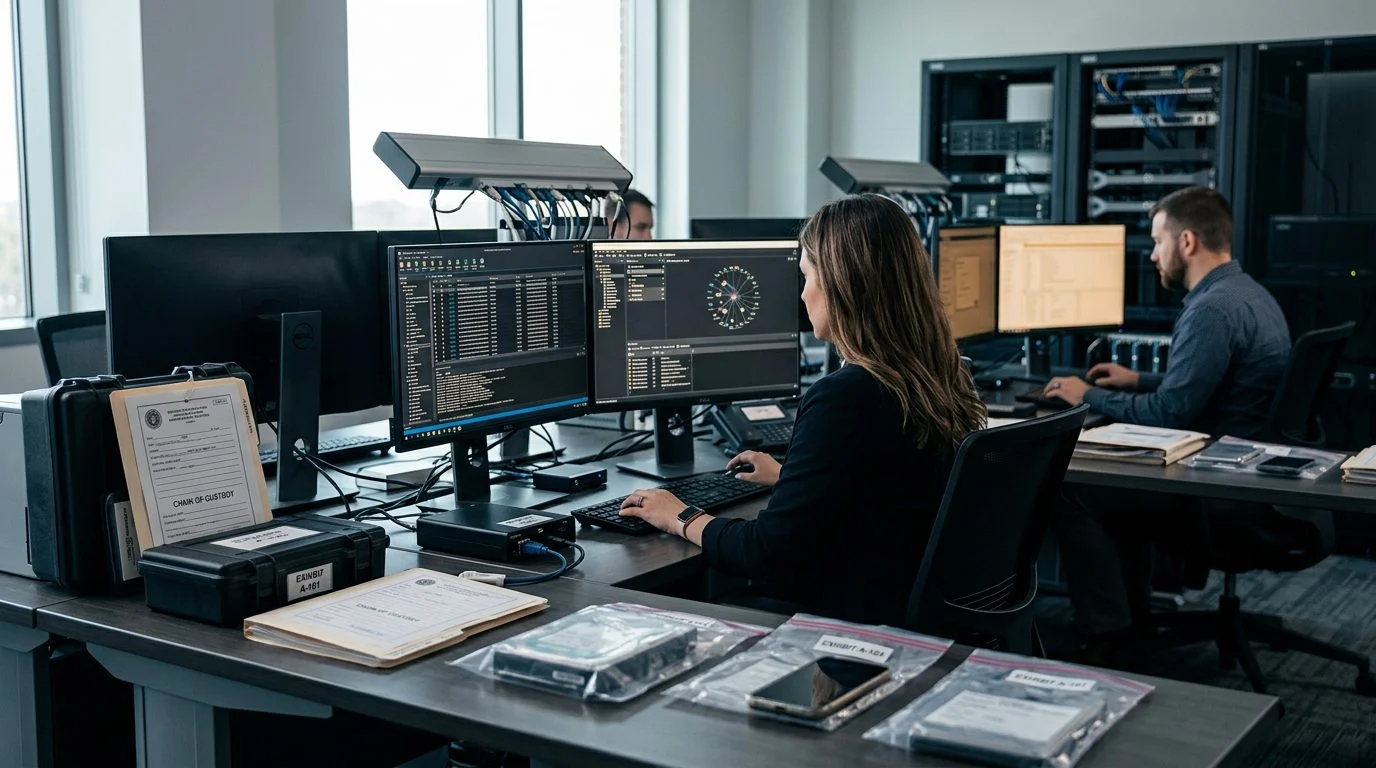
Online Sex Crimes Defense | Frisco, Texas
Police Want to Interview You? Talk to a Lawyer First
Barbieri Law Firm defends people accused of online sex crimes in Collin County, Dallas-Fort Worth and across Texas. An interview request is not a charge, and you do not have to decide how to respond alone.
By Heather Barbieri · Published October 27, 2026
If police want to interview you about online messages, a request to talk does not mean you have been charged. It usually means you may be part of a pre-charge investigation, and that stage gives you real choices. This guide explains how these investigations work in Texas, what your rights are, and how a defense lawyer can help you decide your next step.
What a Pre-Charge Interview About Online Messages Means
A pre-charge interview is a conversation police ask for before any charge is filed. It does not prove a charge exists. Investigators may reach out after reviewing messages, an account, or a tip. The request can come by phone, at the door, or in a written notice to come to a station.
This page is written for three kinds of readers:
- The person police contacted.
- A parent or partner of an adult or minor who was contacted.
- Someone who heard about the investigation secondhand and wants to understand it.
Several Texas offenses can start with online messages. Under Texas Penal Code § 33.021, a person 17 or older can commit an offense by communicating in a sexually explicit manner with a minor over the internet or by text, if the person intends to commit certain listed offenses. The statute defines a minor as someone younger than 17, or someone the actor believes is younger than 17. Texas also charges a person who intentionally or knowingly possesses, or accesses with intent to view, visual material that contains a visual depiction of a child engaging in sexual conduct, under § 43.26.
Investigations often involve task forces. Information about Internet Crimes Against Children task forces in Texas is available on the Texas Attorney General’s ICAC program page. The federal ICAC program investigates technology-facilitated child sexual exploitation.
The same words can look different in context. The sender, the recipient, the platform, and the full conversation all matter. Each message is read against the whole exchange.
If police have asked to talk about messages you sent or received, you do not have to face that decision alone, and our team can help you weigh your options. Talk it through with our team — the first consultation is free, confidential, and carries no obligation.
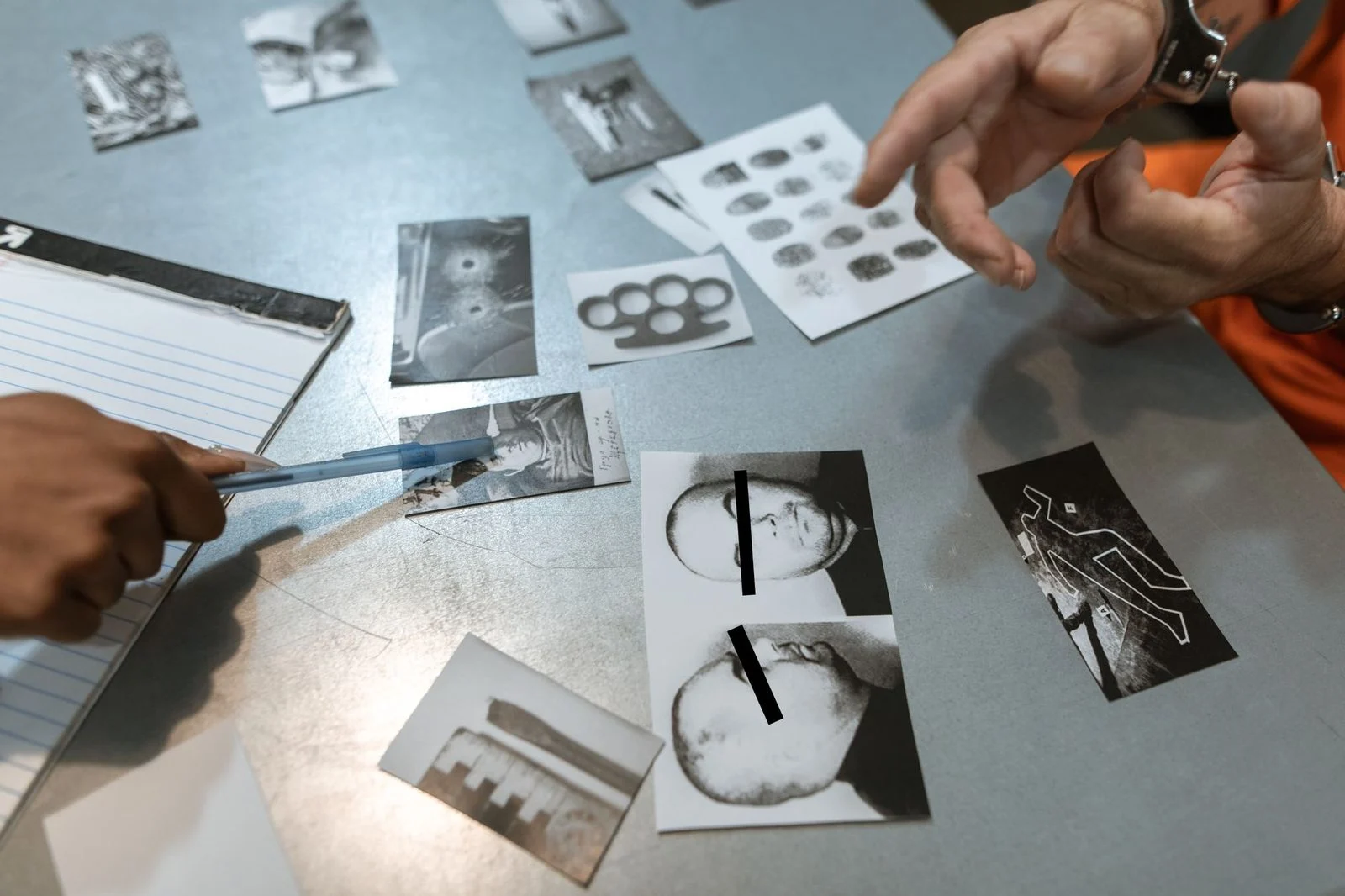
What Pre-Charge Defense Covers
Pre-charge defense means a lawyer reviews the facts and advises you before anything is filed. The work focuses on the steps that come first.
- Message review. We read messages in full context, including surrounding conversation, timestamps, and who controlled the account.
- Case review. We review what police have so far, such as reports, identification details, and any stated theory, as far as it is known.
- Interview advice. We advise whether to speak with investigators, in what setting, and how to prepare.
- Device and account requests. We advise you before you consent to a search of a phone, computer, or social media account.
- Direct contact. The lawyer can communicate with investigators, so you are not the only point of contact.
- Options at each stage. We explain what the process looks like if a charge is later filed.
Each of these steps is explained before it happens. Entrapment is one defense to examine early. Under Texas Penal Code § 8.06, entrapment applies when a person engaged in the charged conduct because a law enforcement agent induced them to do it, using persuasion or other means likely to cause people to commit the offense. Merely giving someone an opportunity to commit an offense is not entrapment. Whether that defense fits depends on the facts.
How the Process Works, Step by Step
The process moves from a first conversation to facts, evidence, investigator contact, and decisions made along the way.
- Free initial consultation. The first consultation is free, confidential, and comes with no obligation to continue. We review the request and what you know so far.
- Gather facts and documents. Collect the messages, any police paperwork, and a timeline of every contact with investigators.
- Review the evidence. We look at how the messages were obtained, what they show, and what they do not show.
- Communicate with investigators. The lawyer can speak with investigators and advise you on each request before you respond.
- Make decisions. We explain whether to give a statement, provide a device, or wait before each choice.
Some people come in before any contact with investigators. Others come in after a first interview has already happened. The pace of a pre-charge investigation varies. We explain the stages that apply to your facts, not a generic timeline.
Your Rights When Police Ask to Interview You
Before you answer questions about your case, you can talk with a criminal defense lawyer about your options.
- Saying so clearly matters.
- Ask before you answer.
- Consent. Agreeing to a search of a phone, computer, or account has lasting effects. Talk with a lawyer before you say yes or no.
- Deletion. Do not delete messages, accounts, or devices. Deletion can create new problems and removes context a lawyer may need.
- Your notes. Write down who called or visited, when, and what was asked. A lawyer can use those details.
Why This Firm Handles These Cases
Barbieri Law Firm is an all-women criminal defense firm in Frisco, Texas. It defends professionals and others accused of sex crimes and assaultive offenses across Collin County, Dallas-Fort Worth, and Texas. The firm also handles aggravated sexual assault, child sex crimes, and family violence matters.
Our lawyers are Heather Barbieri and Carrie Thomas. Heather Jean Barbieri, Board Certified, Criminal Law — Texas Board of Legal Specialization.
Our team reviews evidence closely, including messages, device data, and investigative contact, and explains your options. Our team treats what you share as confidential. No lawyer can predict how a case will end.
Frequently Asked Questions About Pre-Charge Online Investigations
Short, direct answers to the most common questions appear below.
Does a police request to interview me mean I have been charged?
No. An interview request and a filed charge are separate steps.
Talking with police
Whether to answer is a choice to make with advice.
Can a lawyer contact police for me?
A lawyer can communicate with investigators and advise you on each request. The firm does not promise any particular response.
Should I hand over my phone if police ask?
Consent to a search has lasting effects. Talk with a lawyer before you agree or refuse.
Can someone be charged if no meeting happened?
Possibly. Under § 33.021, it is not a defense that the meeting did not occur when a person, over the Internet, by electronic mail or text message or other electronic message service or system, or through a commercial online service, knowingly solicits a minor to meet with the intent that the minor will engage in sexual contact, sexual intercourse, or deviate sexual intercourse.
What if I already sent the messages?
Talk with a lawyer about the messages before you change or delete anything.
Not sure what your next step is?
Talk it through with our team — the first consultation is free, confidential, and carries no obligation.

Talk With a Lawyer Before You Answer Questions
Talking with a defense lawyer before you answer police gives you the most control over your next step. A request to talk about messages can arrive before any charge exists. Deciding what to say or hand over under that pressure is hard. You do not have to face that choice alone. Our lawyers can review the request, explain your options, and advise you before you respond. You can bring the messages, any letters or paperwork, and your questions to that first conversation. Send us your case details through our contact form, or call (972) 424-1902 to schedule a consultation.
Attorney responsible for this site: Heather Barbieri, Barbieri Law Firm, Frisco, Texas.
How We Approach an Interview Request
Pause before you respond
Before you answer investigators' questions or agree to hand over a phone or account, speak with a lawyer about the request and what it may mean for your case.
We communicate with investigators
A lawyer can contact investigators on your behalf and advise you on each request.
We review the evidence
We will review the messages, accounts, devices and any paperwork connected to the investigation, then explain your options in plain language.
Lawyers who focus on criminal defense
Our lawyers, Heather Barbieri and Carrie Thomas, defend people accused of sex crimes and assaultive offenses. Heather Jean Barbieri, Board Certified, Criminal Law — Texas Board of Legal Specialization, leads the firm's criminal defense work.
Before You Answer Questions
An interview request is one step in an investigation, not a filed charge. What you say and what you hand over can affect your case. Talk to a lawyer before you respond.
Questions People Ask Us
Does an interview request mean I have been charged?
No. An interview request and a filed charge are separate steps. Speaking with a lawyer can help you understand where your matter stands.
Can a lawyer contact police for me?
A lawyer can communicate with investigators and advise you on each request. No lawyer can ensure a particular response.
Should I hand over my phone or accounts?
Do not decide this alone. Ask a lawyer to review any request for your phone, passwords, accounts or devices before you agree to anything.
What happens when I call?
Our free, confidential initial consultation comes with no obligation to continue. We will listen, review what you know, and explain your options.
Police want to talk? Talk to a lawyer first.
Related practice areas
Request a Consultation
Fill out the short form and we will take it from there.