

Criminal Defense · Frisco, Texas
Can Police Make You Give Your Phone Password in Texas?
Learn the basics before you speak, and talk with Barbieri Law Firm about your situation.
By Heather Barbieri · Published October 29, 2026
Short Answer: Can Police Make You Give Your Phone Password?
Can police make you give your phone password? A request is not the same as a court order, and that difference matters. Knowing the basic rules before you speak helps you make careful choices in a stressful moment.
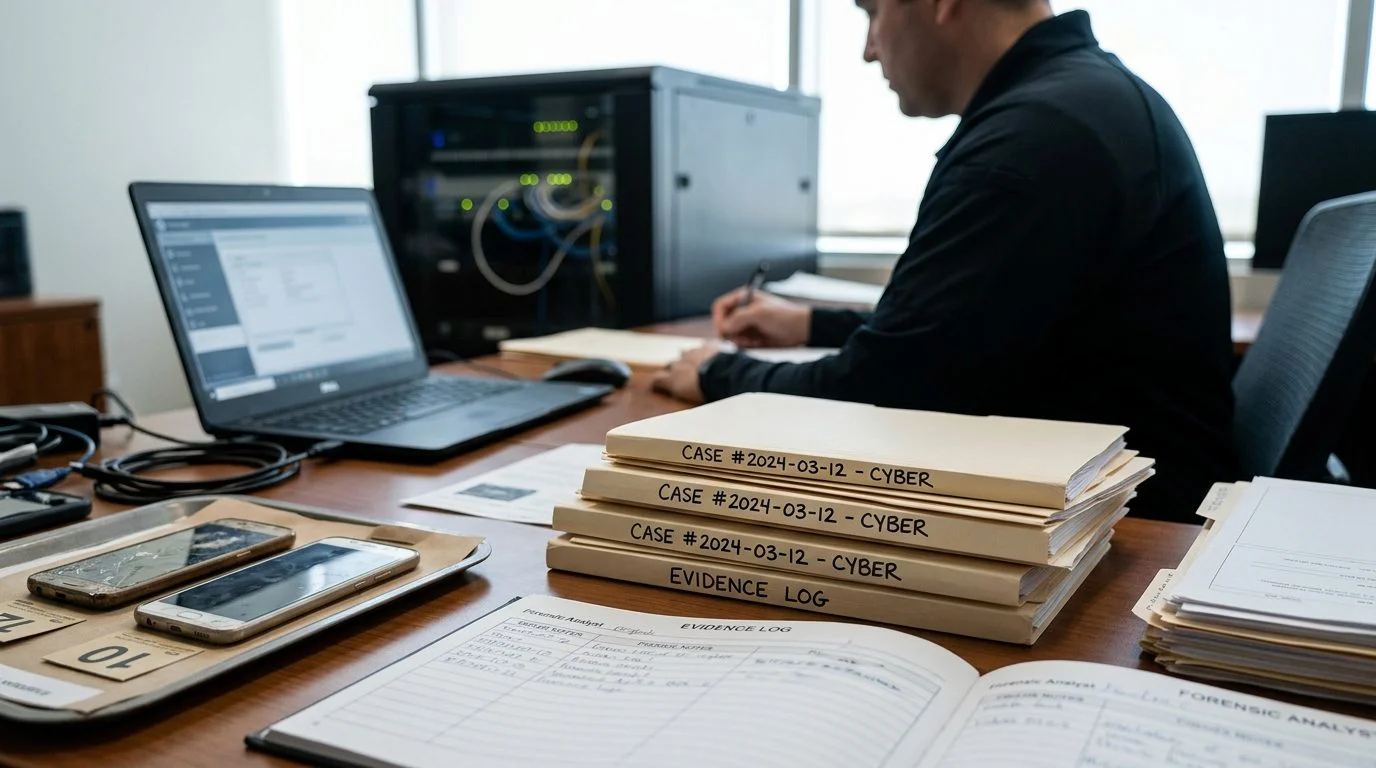
Phones hold messages, photos, app history and saved logins. In a criminal case, that data can become evidence. Many people assume they must answer every question an officer asks. That assumption can lead to mistakes.
For clients facing online sex crimes charges, this page addresses a request for a phone passcode, a phone that police have seized, and a search of the phone’s contents. It also explains how Texas law defines possession and consent, because those ideas often decide who controls a device.
If police have your phone or asked for its password, we can talk through your situation in a free, confidential initial consultation with no obligation to continue. Talk it through with our team — the first consultation is free, confidential, and carries no obligation.

Can You Refuse to Give a Passcode?
Courts have not all reached the same answer on passcodes.
Do not lie about the device or its contents. Keep notes of what officers say and do. Those details can matter later.
A verbal refusal does not end the matter.
Does a Fingerprint or Face Unlock Change the Answer?
Often it does, because courts have sometimes analyzed fingerprint and face unlocks differently from a typed code. A fingerprint or face scan asks you to use your body, not to reveal something you know.
Phone settings matter too. Some phones require a passcode after a restart, which can change whether a biometric unlock works. The device’s condition when police take it can affect what they can open.
These are distinctions courts have drawn. They are not a prediction for any one phone, and the facts of your case control.
Can Police Get Into a Phone Without the Passcode?
Investigators may try to examine a locked phone with advanced tools.
A phone can hold messages, photos, videos, search history and app data. Each type of data can matter in a different way. The timing and scope of any search can matter as much as the phone itself.
Texas law also defines who holds a device. Possession means actual care, custody, control, or management. That definition matters when one person’s phone is used by another.
In online sex crimes cases, stored images and messages can connect to specific offenses. For example, knowingly transmitting by electronic means visual material that depicts sexual conduct, a person’s exposed intimate parts, or the covered genitals of a male person in a discernibly turgid state is an offense, a Class C misdemeanor, when the recipient did not request it or give express consent.
Is Sharing a Password a Crime in Texas?
Whether sharing a password creates legal trouble depends on whether the access was given with effective consent. Consent is central to how Texas law looks at this question.
Under Texas Penal Code § 1.07, consent is not effective if it was induced by force, threat, or fraud. It is also not effective if given by a person who, because of youth, mental disease or defect, or intoxication, is known by the actor to be unable to make reasonable decisions.
Family situations often turn on this point. If a spouse’s or parent’s device or account is part of an investigation, the questions are who controls it and who gave permission to use it.
A password freely given by its owner is different from one obtained through pressure or deception. The facts of how the password was obtained and used are what matter. This is general information about Texas law, and the same facts can lead to different results.
How Phone Evidence Fits Texas Online Sex Crimes Charges
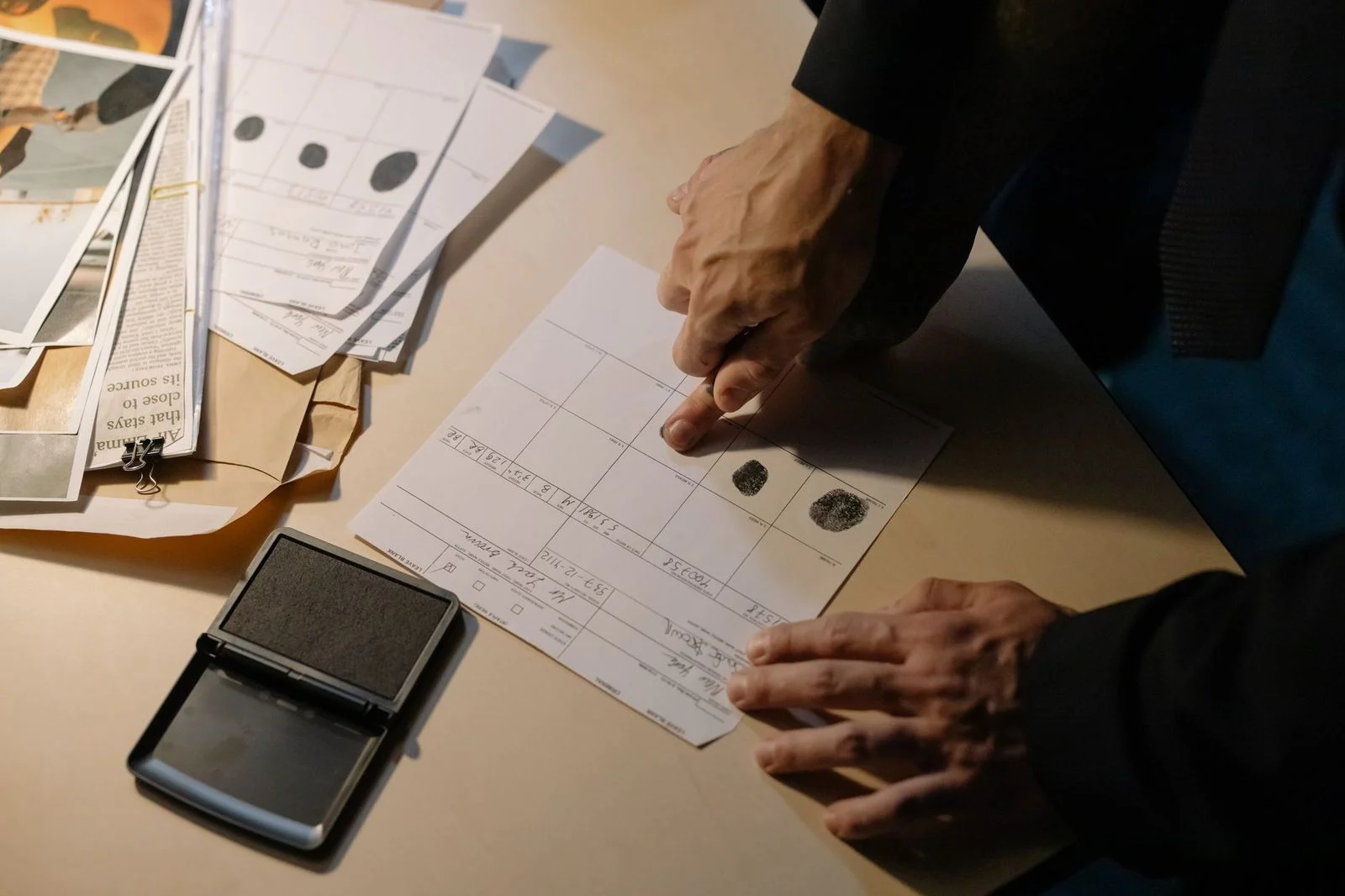
Phone evidence can be central in online sex crimes cases, because the phone often holds the messages and images investigators examine.
Texas Penal Code § 33.021 covers online solicitation of a minor.
Under subsection (d), it is not a defense to the solicitation offense in subsection (c) that the meeting did not occur. Subsection (c) is a felony of the second degree.
Grading can change with the facts. Punishment can increase if the offense happens during school hours and the actor knew or reasonably should have known the minor was enrolled in school.
Possession cases follow different grading. Under Texas Penal Code § 43.26, the number of visual depictions can change how an offense is graded.
For background on online enticement, the NCMEC online enticement page describes common grooming and exploitation tactics. The Texas Attorney General’s cyber safety page offers Texas information on online solicitation of minors.
If police have your phone, keep two points in mind. Say you want a lawyer before answering questions about it, and do not lie about the device.
Frequently Asked Questions
Phone passwords and police requests
If police have your phone or asked for its password, you do not have to sort out the next step alone. A free, confidential initial consultation with no obligation to continue is available. Call (972) 424-1902 or send your case details through our contact page.
Attorney responsible for this site: Heather Barbieri, Barbieri Law Firm, Frisco, Texas.
Key Points to Keep in Mind
A request is not a court order
Knowing which one you are facing shapes your next steps.
Think before you answer
Questions asked during a stressful stop or arrest can have lasting consequences. Speak with a lawyer before you answer questions about your phone.
Write down what happened
Note the time, location, the officers involved and what was said while the details are fresh. These notes help your lawyer review the case.
We review the digital evidence
We will look at how the device was seized, what was requested and any data that may be involved, then explain your options clearly.
Do Not Unlock or Hand Over Anything Without Advice
Handing over a password or unlocking a device in response to a request alone can affect your case. Ask whether a warrant or court order exists, and contact a criminal defense lawyer as soon as you can.
Phone Data That Can Become Evidence
Messages and call logs
Texts, messaging apps, voicemails and call histories can be used to build a timeline in a criminal case.
Photos and videos
Images and recordings stored on a phone, including deleted items recovered by forensic tools, may become part of the State's file.
Location and app history
Map history, rideshare records and app activity can show where a person was and when.
Cloud accounts and saved logins
Data synced to cloud storage or password managers may be reachable even when the phone itself is locked.
Talk with Barbieri Law Firm Before You Answer Questions
Related practice areas
- Online Sex Crimes Defense Lawyer | Collin County & Texas
- Federal Online Enticement Defense Lawyer in Texas | Barbieri Law Firm
Request a Consultation
Fill out the short form and we will take it from there.