

Child Sex Crime Accusation in Texas: What Happens Next
By Heather Barbieri · Published November 9, 2026
Your loved one has been accused of a child sex crime in Texas, and you want to know what comes next. An accusation can lead to an investigation, an arrest, a grand jury indictment, or no criminal charge at all. Which path a case takes depends on the evidence, the report and the Texas Penal Code section alleged.
This guide walks through the stages in the order they usually unfold. Each part explains what the stage is, what decisions tend to matter, and where families often get stuck. Every case is different. Use this page as a map of the process, not a forecast of any one case.
What a Child Sex Crime Accusation Can Lead To in Texas
An accusation can lead to an investigation, an arrest, a grand jury indictment, or no criminal charge. An accusation is not a conviction. Each stage is separate, and a case can stop at any of them.
The charge level depends on the specific Texas Penal Code section and the facts alleged. Indecency with a child, sexual assault and online solicitation of a minor are different offenses. They have different elements and different penalty ranges. That’s why every charge needs its own review. A label in a complaint or a news report is only a starting point.
Families often feel the process moves faster than they can follow. Knowing the order helps. The sections below follow a case from the first report through bond, grand jury review, charges, pretrial evidence, and the effects on family and work. Start with the stage your loved one is in now.

How the Case Starts: Reports, CPS and the Police Investigation
A case usually starts when a report reaches police or Child Protective Services, and the two agencies may work at the same time. A safety investigation is separate from a criminal case, but facts can move between them.
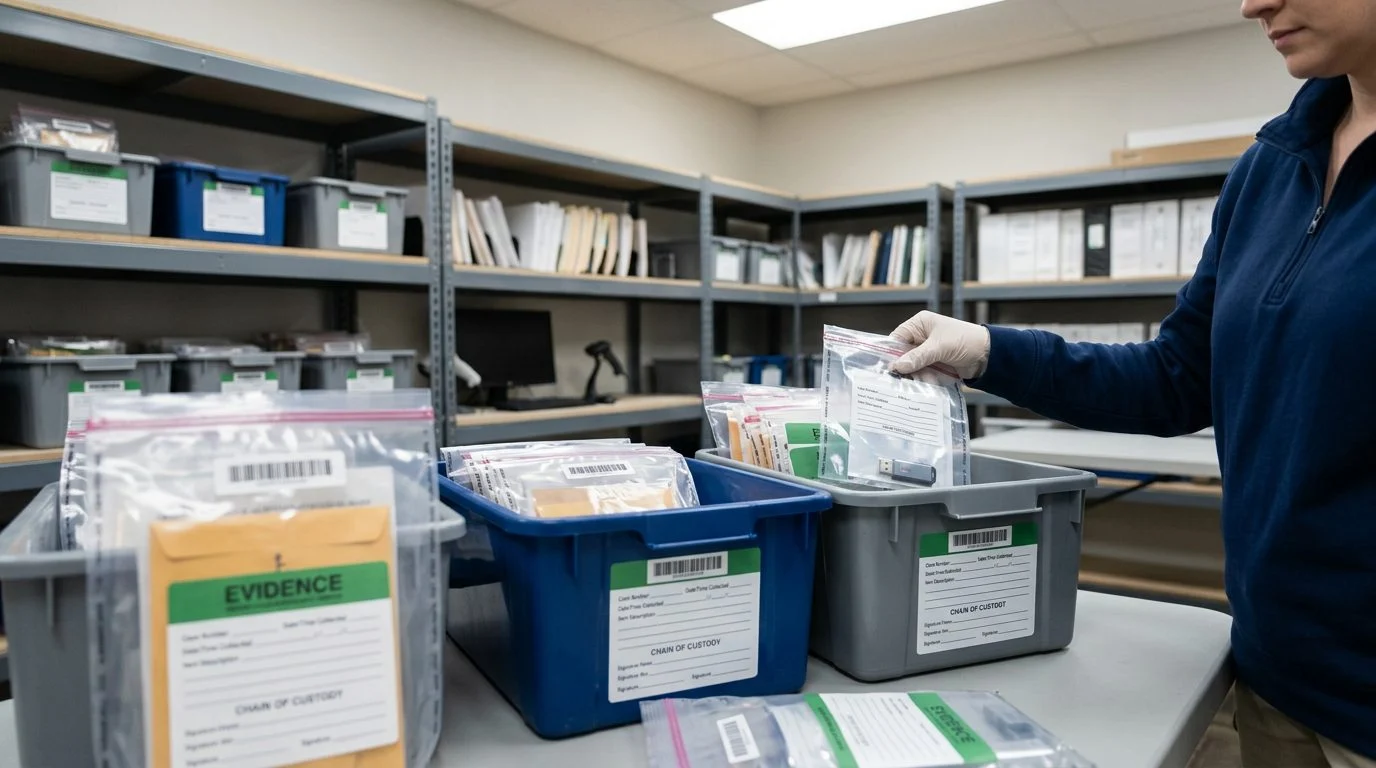
Police handle the criminal side. Investigators may arrange a forensic interview of the child, which is a structured interview conducted by a trained interviewer. A medical exam and DNA testing may also be part of the file. Investigators may collect phone records, messages, school information, family details and witness statements. The guide on DNA and medical exams in child sex crime cases explains how that evidence is gathered and read.
Early records can shape the whole case. That’s why it helps to know early what has been collected and by whom.
Interview Requests, Search Warrants and Rights Before Any Arrest
A request for an interview is not an arrest, but what is said in an interview can shape later stages. Police may ask to speak with your loved one. They may also seek a search warrant for phones, computers or other items.
Many families ask whether their loved one should talk to police or CPS first. That decision affects later stages, so bring the question to a lawyer before anyone answers. The same goes for any contact with the accuser or the accuser’s family. The guide on whether your loved one can talk to CPS covers the CPS side in more depth.
Arrest, Warrants and Magistration in Texas
Police don’t always wait for a grand jury. The timing depends on the case and the evidence.
Magistration is the step that follows booking. The first hours after an arrest can feel chaotic. Families often don’t know where the person is held, whether bond can be posted, or when the next court date falls.
The steps can vary by county. The Collin County arrest process guide lays out the sequence in that county. Ask about the exact paperwork you receive, because each notice can matter later.
Bail and Bond Hearings After a Child Sex Crime Arrest
Bond is the arrangement that lets a person leave jail while the case moves forward. A bond can come with conditions. Conditions may restrict contact with the complainant, with minors, or with certain places.
The court sets the amount and conditions based on the charge and the individual circumstances. Bond terms are not a formality. Under Penal Code § 25.07, violating a bond condition in a sexual assault or abuse case can be its own offense when the condition relates to the safety of a victim or the community. The statute makes the offense a Class A misdemeanor unless the facts shown at trial make it a state jail felony or a third-degree felony.
Following bond conditions exactly matters. If a question comes up about a condition, take it to counsel before your loved one acts on a guess.
Grand Jury Review, Indictment and Formal Charges
A grand jury decides whether the evidence supports a formal charge, called an indictment. The prosecutor presents the evidence. This stage is separate from a trial, and it happens before any trial date is set.
Under Code of Criminal Procedure art. 12.06, an indictment is considered “presented” when the grand jury has acted on it and the court has received it. That date matters for timing questions. The indictment is the formal charging document. An arraignment follows, where the charges are read and the accused responds.
Timelines vary by county. Prosecutors decide when to present a case, so the calendar isn’t fixed. The guide on grand jury review and indictment explains how this stage fits with the rest of the case.
How Penal Code Sections and Facts Shape the Charge Level
The Penal Code section and the facts alleged decide the charge level. Each offense has its own felony degree, and aggravating facts can raise it.
Under Penal Code § 21.11, indecency with a child by sexual contact is a felony of the second degree. Exposure-based conduct under subsection (a)(2) is a felony of the third degree. The statute also lists narrow affirmative defenses tied to age gap and other conditions.
Penal Code § 22.011 covers sexual assault, including penetration of a child. Its degree depends on the listed circumstances. Aggravated sexual assault under Penal Code § 22.021 is a first-degree felony. The minimum prison term rises to 25 years if the victim is younger than 10, or younger than 14 and the offense involves a manner the statute describes. Under Penal Code § 12.32, a first-degree felony can carry life or a term of 5 to 99 years, plus a fine of up to $10,000.
Online solicitation is covered by Penal Code § 33.021. The online solicitation of a minor guide covers that offense in detail. Age can also matter. Under Code of Criminal Procedure art. 42.017, a judge must make an affirmative finding in certain age-based convictions. Each charge is different, so review your loved one’s exact charge with counsel.
Arraignment, Pretrial Motions and the Evidence That Gets Reviewed
Pretrial review is where the evidence and statements get tested. Challenging evidence or statements is one part of defense work before trial. The motions depend on how the evidence was gathered.
DNA and medical evidence need careful review. Its meaning depends on how it was collected, stored and interpreted. A result that looks clear on its face may read differently once the process is examined closely.
Recantations and claims of false accusation are reviewed case by case. The National Registry of Exonerations identifies false accusations among the causes of wrongful convictions in its research. That’s a fact about wrongful convictions, not a prediction for any case. The guide on false child sexual abuse accusations in Texas explains how that review works.
A case may be dismissed or reduced for reasons tied to the evidence. The dismissal guide covers those reasons. No outcome is predicted here.
Custody, Protective Orders, Family and Work Effects
A child sex crime accusation can affect custody, protective orders and work, sometimes at the same time as the criminal case. Those matters run on their own timelines.
Family court and criminal court can run at the same time. A decision in one court may not wait for the other. Statements, filings and deadlines in one matter can affect the other, so coordinating them matters.
Bond conditions can already limit contact with a child or a family member. Protective orders can add separate restrictions. The custody after child sex crime charges guide and the protective orders guide explain how those proceedings fit with the criminal case.
Work effects can include background checks, licensing questions and employer reviews. These can follow an accusation before any verdict is reached. Each job and license carries its own rules, so review them with counsel.
Statute of Limitations and Timing Questions
Time limits depend on the offense. Under Code of Criminal Procedure art. 12.01(1)(B), there is no limitation period for sexual assault of a child under Penal Code § 22.011(a)(2) or for aggravated sexual assault of a child under § 22.021(a)(1)(B). Penal Code § 12.01 only says a person found guilty of an offense is punished under the penalty chapter and the Code of Criminal Procedure, so it does not set a limitation period; for timing rules, see Code of Criminal Procedure art. 12.01. The same is true when probable cause exists that the defendant committed the same or a similar offense against five or more victims.
Penal Code § 12.04 classifies felonies by the relative seriousness of the offense into five categories and does not address how days are counted; for that rule, see Code of Criminal Procedure art. 12.04.
Timing questions depend on the facts and the charge. The statute of limitations guide for indecency with a child walks through that question for one charge. A date-based question is a good reason to ask counsel to review the timeline early.
First Steps in the Days After an Accusation
Start by collecting every document and date tied to the accusation. Keep one file. Note the dates of known contacts, notices, police visits and court settings. Keep copies of every paper you receive.
Bring every notice, summons, warrant and bond document to the first consultation. The more complete the file, the more the review can cover. Early review of the report, the evidence and the charge gives your family a fuller picture before important decisions are made.
Common Questions
Can a bond violation be charged separately?
Yes. Under Penal Code § 25.07, a person commits a separate offense if, in violation of a condition of bond set in a family violence, sexual assault or abuse case and related to the safety of a victim or the safety of the community, the person knowingly or intentionally commits one of the acts the statute lists, such as going to or near a residence, workplace or school described in the bond condition, possessing a firearm, or communicating a threat to a protected individual.
Do CPS and police investigate at the same time?
They can.

Talk With Heather Barbieri About Your Loved One’s Situation
A free consultation is a sensible next step when an accusation is already in front of your family. Your loved one may have a warrant, an interview request, a bond date or an indictment, and a decision about what to say or do next may be pending. That is the moment to have the facts reviewed.
Barbieri Law Firm in Frisco, Texas, offers a free initial consultation that is confidential and carries no obligation to continue. Call (972) 424-1902 or send your case details through the contact page.
Heather Jean Barbieri, Board Certified, Criminal Law — Texas Board of Legal Specialization.
No lawyer can say in advance how a case will turn out.
Attorney responsible for this site: Heather Barbieri, Barbieri Law Firm, Frisco, Texas.
Ready to take the next step?
Request a Consultation
Fill out the short form and we will take it from there.