

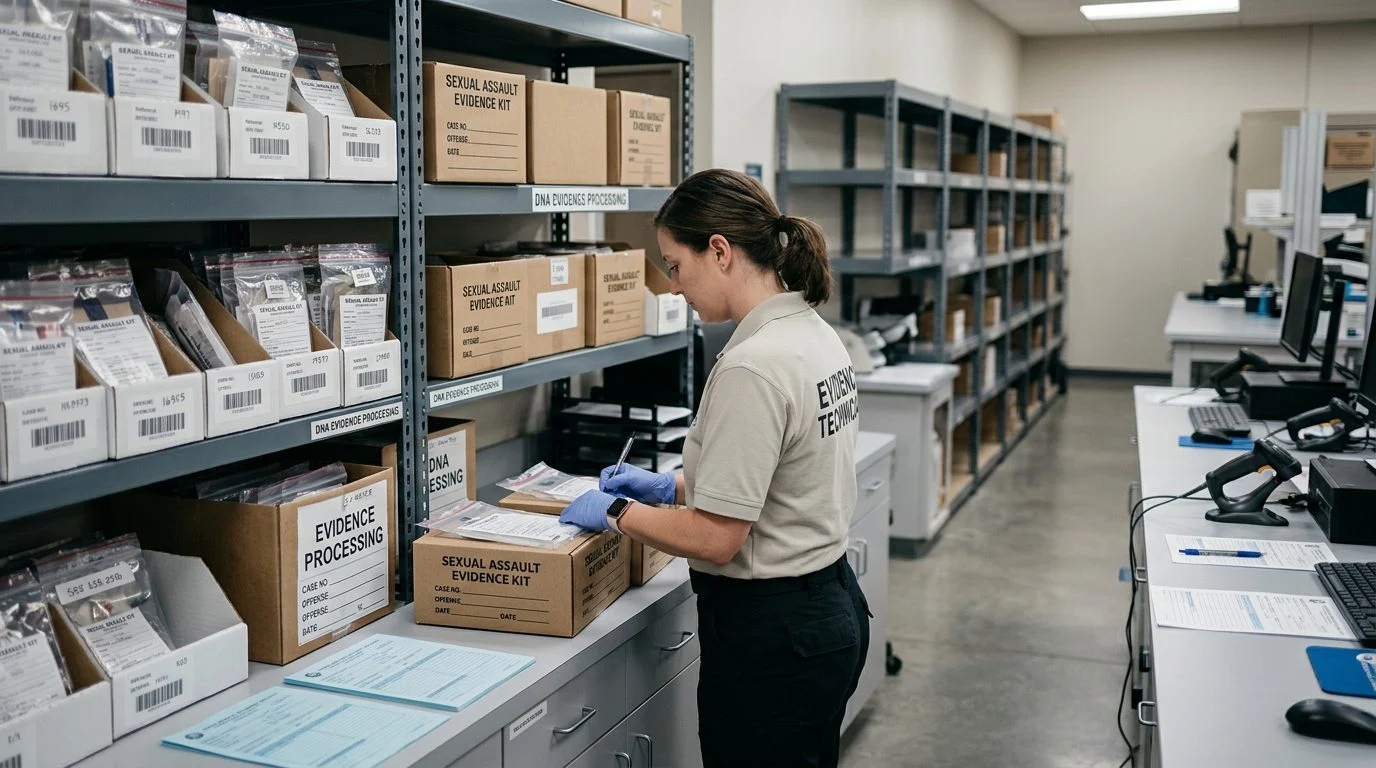
Sex Crimes Defense | Frisco, Texas
Sexual Assault Kit DNA Evidence: What the Results Can and Cannot Show
A DNA result can seem like the end of the discussion. Here is how a defense lawyer examines the collection, the testing and the timeline behind it.
By Heather Barbieri · Published November 24, 2026
Yes, a sexual assault kit DNA evidence defense in Texas can include a close review of the lab file and a request for independent testing. The kit and its DNA results can matter a great deal in a case. This guide explains what the evidence is, what a DNA match does and does not show, and which questions to ask. It is a guide to the questions, not a forecast of how any case will end.
Can the Defense Review and Test Kit DNA Evidence in a Texas Case?
Yes. The defense can review the lab report, the chain of custody and the testing method. It can also ask for independent testing through a defined process. Results can support an accusation or undercut it, so each one needs a careful look. A DNA result is not a verdict. It is one piece of evidence that sits beside the allegation, the timeline and any statements. Early on, the most useful step is to collect every document in the file and write down the dates. Those dates often matter as much as the headline result. For the bigger picture, read Texas sex crime accusation: what happens next.
If a kit was collected in your case and a DNA report has reached you, our team can review the lab file with you in a free, confidential first consultation. Talk it through with our team — the first consultation is free, confidential, and carries no obligation.
What Is a Sexual Assault Evidence Collection Kit?
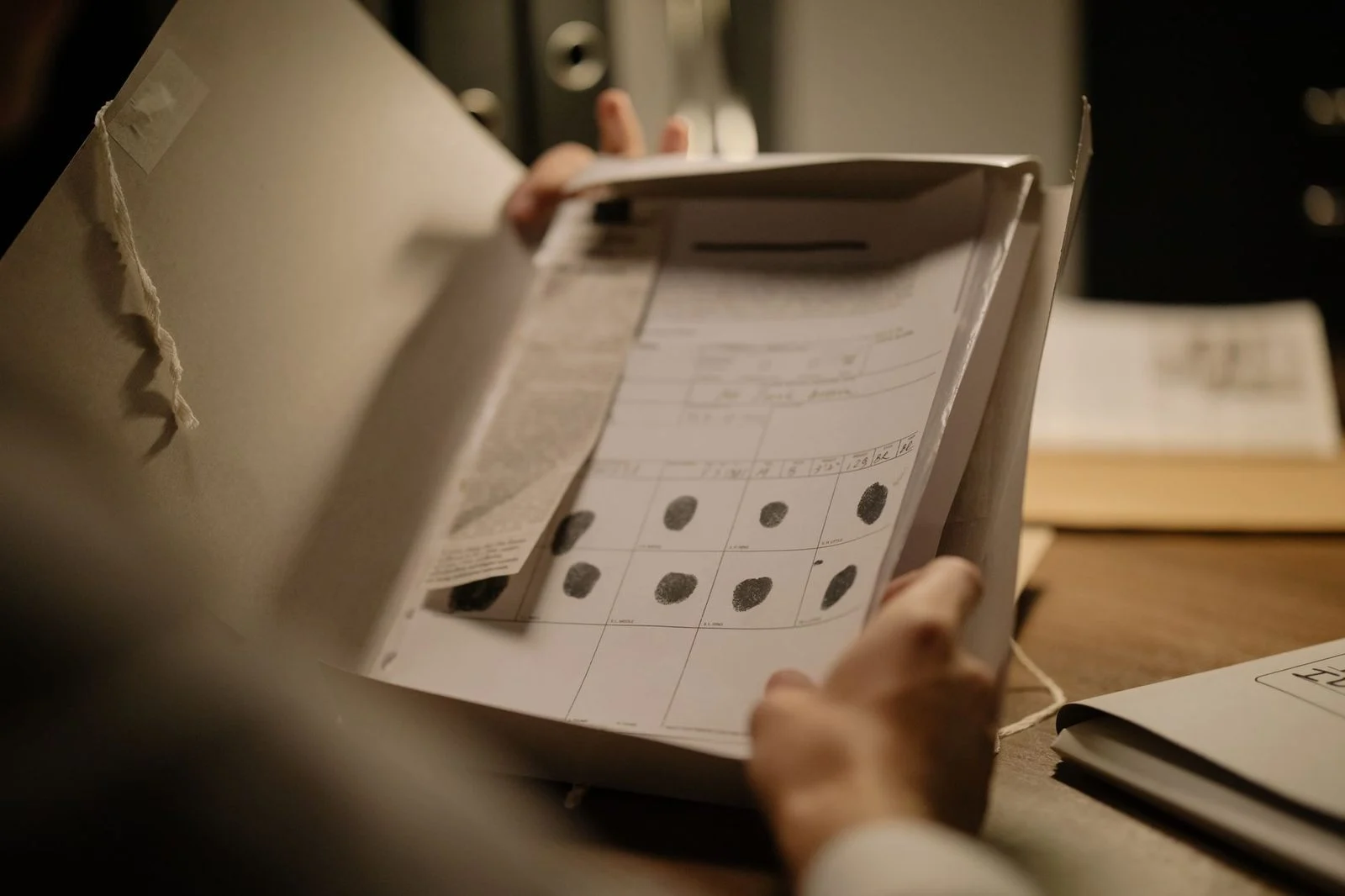
A sexual assault evidence collection kit is a set of samples and records gathered from a person after an alleged sexual assault. The kit records what was collected and when. It does not, by itself, say who was involved or what happened.
Kits can also reach the State’s files long after the original report. The Texas Rangers run a program covering collection and entry of DNA into a database, and the use of matches to help investigate cold cases. See the Texas Rangers’ Sexual Assault Kit Initiative. A match from that work can surface years later. That is why the dates in the file matter.
How Collection Timing Affects DNA Testing
Timing affects what a lab can test. How long DNA can be found after contact is a forensic question, though. It is not a simple rule anyone can apply at home. Collection timing, the type of sample and how the kit was handled each shape what the lab can test and how a result should be read.
Whether timing matters in a specific case depends on the facts. The lab file shows when the kit was collected, when samples arrived and when each test was run. Compare those dates with the timeline in the allegation. A gap or mismatch can change how a result is read.
Read the dates in the original records, not only in a summary. A summary can leave out the detail that matters. Original records show what was done, by whom, and on which day.
What Texas Must Prove, and What a DNA Match Does Not Establish
Texas sexual assault generally requires conduct without consent, but when the other person is a child (younger than 17), § 22.011(a)(2) makes it an offense, when done intentionally or knowingly, to commit listed acts such as causing the penetration of the anus or sexual organ of a child by any means, and this applies regardless of whether the person knows the child’s age; limited statutory defenses in § 22.011(d) and (e) may apply. A DNA match, by itself, does not prove consent, timing or how contact happened.
Under Texas Penal Code § 22.011, a person commits sexual assault by intentionally or knowingly causing penetration of another person’s anus, sexual organ or mouth without that person’s consent. The statute lists circumstances that count as without consent. They include force, violence or coercion, and cases where the other person has not consented and the actor knows the other person is unconscious or physically unable to resist.
Aggravated sexual assault carries more serious charges. Under Texas Penal Code § 22.021, one example is a victim younger than 14. The statute makes that offense a felony of the first degree. The base sexual assault offense is a felony of the second degree, with listed exceptions under § 22.011(f).
Three questions often get mixed together. Keep them separate when you review the file.
- Was DNA found? A match shows that biological material from a person was found in or on a sample.
- When did contact happen? A match does not establish a date.
- Was it consensual? A match does not answer that question.
Each case turns on its own facts, and we will review them with you. A DNA match is one piece of the evidence, not the whole case.
What to Check in the Lab File
Start with four core documents. These are the lab report, the chain of custody log, the sample inventory, and the testing method and quality records. Together they show what was tested and how.
Read the lab report closely. Note what was tested, what was excluded, what was included, and any statement about the strength or limits of a match. A match stated with limits reads very differently from a bare claim that someone “matched.”
The chain of custody answers four questions. Who handled the kit? When? Where was it stored? Do any gaps or inconsistencies appear? A missing signature or an unexplained time gap is a question to raise. It is not proof of anything by itself.
The lab file can help the defense or hurt it. A clean file can strengthen the State’s case. A file with gaps can open new questions. Review each document on its own terms, not only the summary at the top.
How the Defense Requests Discovery and Independent Testing
The defense asks for the lab file and physical evidence through discovery, the process where each side obtains evidence before trial. It asks for its own testing when that is needed. Each request should be in writing, so there is a record of what was asked and when.
The usual steps are simple. First, request the lab file and the physical evidence. Second, list the items the defense wants examined. Third, where needed, ask the court to order access or testing.
Independent testing involves three pieces. The first is a request for access to the sample. The second is a qualified laboratory to do the work. The third is written documentation of how the sample will be handled.
Independent testing can confirm the State’s result, narrow it or contradict it. No one can predict which outcome a request will produce. The result depends on the sample, the testing and the rest of the record.
Not sure what your next step is?
Talk it through with our team — the first consultation is free, confidential, and carries no obligation.
When DNA Evidence Cuts Both Ways in a Case
DNA evidence can help the defense or strengthen the State’s proof. Which way it cuts depends on what the lab file shows and how it fits the rest of the case.
It can help the defense. A result can exclude the accused. A timeline can conflict with the allegation. It can also increase the State’s proof, for example when a match lines up with the timeline. Each result needs the same careful reading.
Connect the lab file to the rest of the record. Read the probable cause affidavit, the statements and the timeline together. For how these pieces fit, read the guide on the probable cause affidavit in sex crime cases in Texas.
Recording rules can matter too. Texas requirements for recording custodial interrogations explains the conditions.
Some readers face related issues. If a child is involved, read the guide on children charged with a sex crime in Texas. If a child welfare case runs alongside the charge, read the guide on a CPS investigation alongside a child sex abuse charge in Texas.
Talk With Barbieri Law Firm About the Lab File in Your Case
A review of the lab file is a sensible next step if you learned that a kit was collected and tested in your case. Barbieri Law Firm is a criminal defense firm in Frisco, Texas. It defends people accused of sex crimes and assaultive offenses across Collin County and Texas.
Frequently Asked Questions
Can a Texas defense lawyer review sexual assault kit DNA evidence?
Yes. A defense lawyer can review the lab report, chain of custody and testing method. A lawyer can also request independent testing.
Does a DNA match prove sexual assault?
No. A match shows biological material was found. It does not by itself show when contact happened or whether it was consensual.
What is a chain of custody?
It is the written record of who handled a kit or sample, when, and where it was stored.
What should I bring to a first review?
Bring any lab report, notice, kit paperwork and the dates you have. Those records give a starting point for the review.
If a kit was collected and a DNA report has arrived, you don’t have to read it alone. Call (972) 424-1902 or send your case details. The initial consultation is free, confidential and without obligation. No lawyer can promise how a case will end.
Attorney responsible for this site: Heather Barbieri, Barbieri Law Firm, Frisco, Texas.
How we review DNA evidence
Lab records
We review the lab report, the testing method and the chain of custody for the kit.
Independent testing
A defense lawyer can request independent testing of the evidence.
Timeline questions
We examine when and how any contact may have occurred, and what the science can and cannot establish about it.
Confidential first conversation
The initial consultation is free, confidential and without obligation to continue.
Talk to a lawyer before answering questions about the evidence
Statements to investigators about a kit or a DNA result can be hard to take back. Speak with a defense lawyer before you answer questions about the evidence.
Questions to ask about the DNA evidence
Was the kit collected correctly?
Collection, handling and storage can affect what the kit shows and whether it can be trusted.
What did the lab actually test?
A report can describe a profile without explaining the method, the limits of the test or the interpretation used.
Could the material have another source?
Biological material can reach a kit through prior contact, shared spaces or transfer.
What does a match not prove?
A match shows that biological material was found. It does not show when contact happened or whether it was consensual.
Review the DNA evidence in your case with a criminal defense lawyer who focuses on these charges.
Related practice areas
- What Happens After a Sex Crime Accusation in Texas? A Defense Guide for Collin County
- Can I See My Children While Charged With a Sex Crime in Texas?
- How to Read a Probable Cause Affidavit in a Texas Sex Crime Case
- CPS Investigation and a Criminal Child Sex Abuse Charge in Texas
Request a Consultation
Fill out the short form and we will take it from there.