

Sex Crimes Defense | Frisco, Texas | Collin County and Dallas-Fort Worth
Sexual Assault Medical Records: What They Show in a Texas Case
A defense guide from Barbieri Law Firm on how medical records are gathered, read and weighed alongside the rest of the evidence.
By Heather Barbieri · Published October 20, 2026
Sexual assault medical records show what a patient reported and what a clinician observed, at a set time. They do not, on their own, prove who was involved or whether consent existed. In a Texas case, the defense reads these records closely, next to the rest of the file. This guide explains what the records contain, what they cannot establish, and how they are reviewed. It is general information, not advice about any one case. Barbieri Law Firm is a criminal defense firm in Frisco, Texas, serving Collin County, Dallas-Fort Worth and Texas.
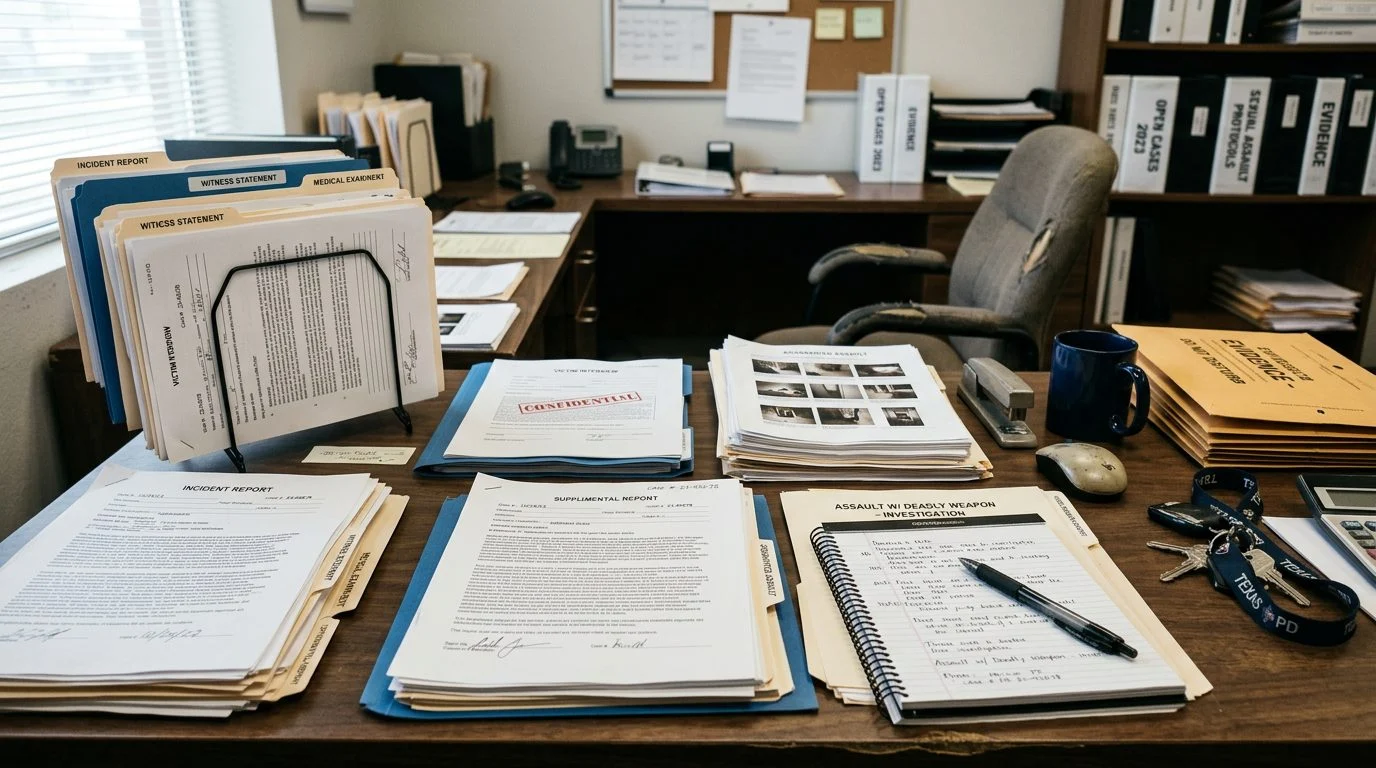
What Medical and ER Records Contain in a Texas Sexual Assault Case
An emergency room chart is a set of notes written by several people at different times. Each part serves a different purpose.
A typical chart includes triage notes, which record why the patient came in and basic vital signs. It also includes the history of present illness, which is the patient’s account of what happened, in the patient’s own words. Physical exam findings, nursing notes, medication records, discharge papers and any imaging or lab orders usually appear too.
Because many people write different parts of the chart, the order and timing of entries matter as much as the words. A nurse’s note at 2:10 a.m. and a physician’s note at 3:00 a.m. can describe different parts of the same visit. A careful review looks at both, in sequence.
For the full path from report to charge, read our guide on defending against false sexual assault allegations.
If hospital or ER paperwork is part of an accusation against you or someone you love, we can review it with you in a free, confidential consultation. Talk it through with our team — the first consultation is free, confidential, and carries no obligation.
What the Records Show: Reported History, Timing and Documented Findings
The records show what the patient reported and what the clinician saw, and they keep the two apart.
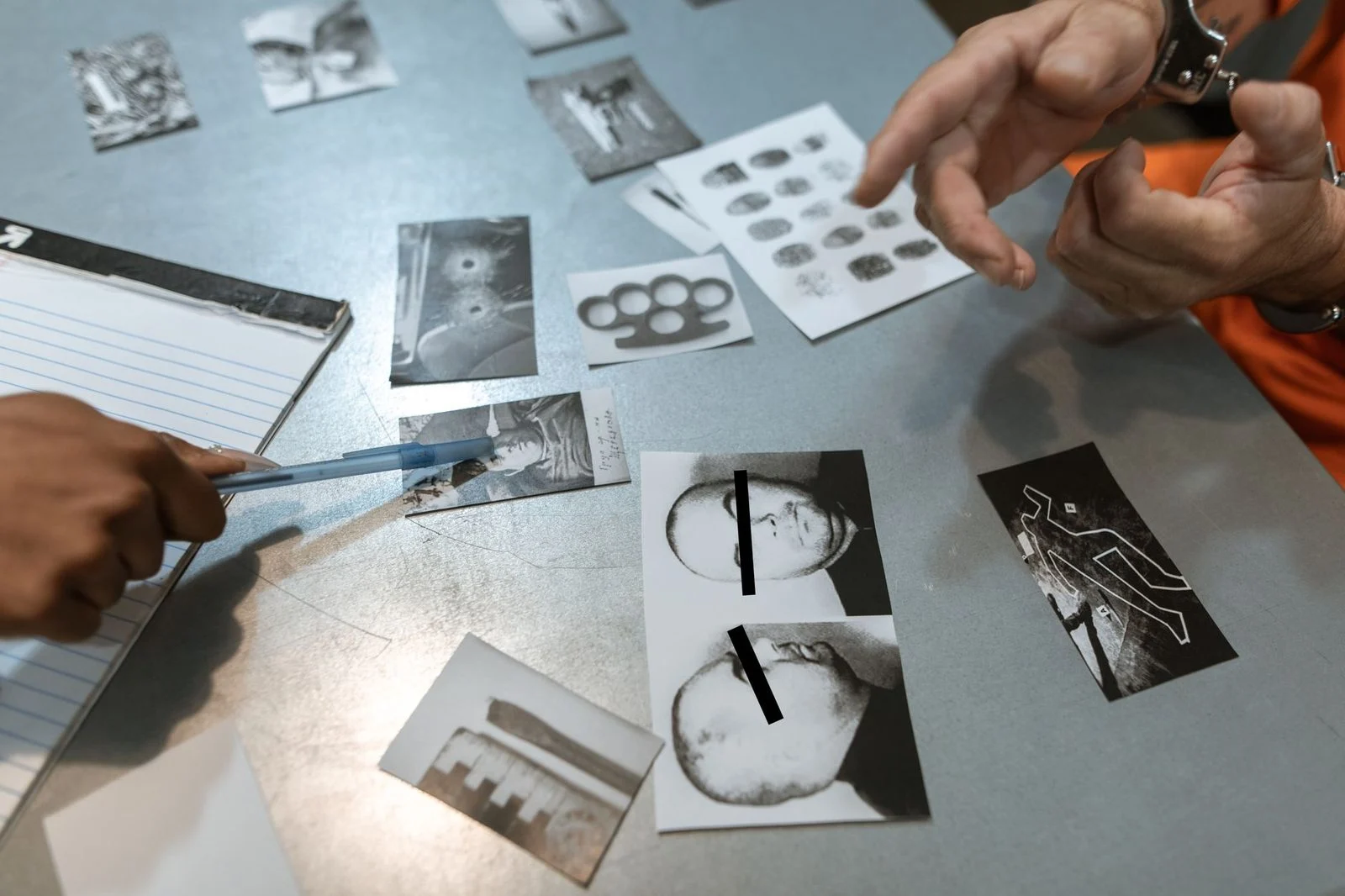
The history is the patient’s account. The exam section is the clinician’s own observation, such as redness, bruising, tearing or no visible injury. Some charts add body diagrams or photographs. Each one tells a different kind of story, so each is read on its own terms.
Timing is often where the review starts. The chart shows when the patient arrived and what time the patient said the incident happened. The gap between those times, and between the event and any report to police, gets noted and tested.
Wording matters too. Reviewers compare the history in the chart with later statements to officers and in interviews. A change in detail is not automatically significant. It does, however, need to be explained.
Injuries carry legal weight. Texas defines “bodily injury” as physical pain, illness, or any impairment of physical condition. Texas law defines “serious bodily injury” as bodily injury that creates a substantial risk of death or that causes death, serious permanent disfigurement, or protracted loss or impairment of the function of any bodily member or organ. Which definition fits depends on what the chart describes, so each finding’s wording is read closely.
What a Clinician’s Notes Cannot Establish
A medical record does not establish consent, identity or what actually happened. That is the main limit of any chart.
Consent is often the central question. Under Texas Penal Code § 22.011, conduct is without consent in listed situations. These include force, violence or coercion, and threats the other person believed the actor could carry out. They also include cases where the person was unconscious or physically unable to resist, or unaware the act was happening.
Another listed situation is where the actor knows the other person is intoxicated or impaired by a substance to the point of being incapable of consenting. A chart may note that someone had been drinking or had taken a substance. It does not show whether that person was incapable of consenting. That is a question for the whole file, not for one line in a chart.
Identity is separate. A chart generally does not name the person who caused an injury or who was present. The State still has to address who was involved.
Clinicians also record what they were told. They do not check the history against other evidence. So a chart shows what was said, not what happened. It can confirm that an exam took place without showing the circumstances that led to it.
Why a Normal or Unremarkable Exam Does Not Settle the Question
A normal exam does not prove that an offense did not happen. An exam with injury findings does not prove who caused the injury or that consent was missing.
A chart can record no visible injury. That finding is one fact among many. Alone, it does not show that nothing happened. It also does not show that consent was given.
Injury findings work the same way. Redness, bruising or tearing can have more than one cause. The chart rarely says how an injury happened or who caused it. Those points have to come from the history, the timing and the other evidence.
The defense reads exam findings beside the history, the timeline and the statements. It does not read any one finding in isolation. How a finding fits the rest of the file is what gives it meaning.
How the Defense Obtains Hospital and ER Records
The defense can reach these records in two main ways. One is through the prosecution’s file. The other is through a proper request to the hospital or clinic.
Police and prosecutors often collect medical records during an investigation. Those records may already be in the State’s file. Records the State does not hold may still exist at the provider.
Records reviewed in a case can include more than a summary page. They may include the complete chart and the notes from each shift. Where they exist, they may also include triage timestamps, billing entries and access logs that show who opened or changed a record, and when.
Each record set is checked for completeness. A missing page or a gap in the time stamps is worth noting. It may change how the rest of the timeline reads.
The Sexual Assault Forensic Exam Report and Evidence Collection
A sexual assault forensic exam creates an evidence record that sits next to the clinical chart. The two serve different purposes.
The clinical chart supports medical care. The forensic exam documents evidence collection, which can include swabs and may include clothing or other items. The collected items go to a lab.
A DNA match links DNA to a sample. It does not, on its own, show whether consent existed or how any contact happened. That gap is why kit results must be read against the clinical chart.
The paperwork matters as much as the results. Reviewers check who handled each item, where it was stored, and whether the chain of custody is complete. A gap in that record can affect how much weight a result deserves.
Not sure what your next step is?
Talk it through with our team — the first consultation is free, confidential, and carries no obligation.
Reading the Records Against the Rest of the File
A sound Texas case defense reads sexual assault medical records next to the other evidence, not by themselves. A record is only as useful as its fit with the rest of the case.
The rest of the file usually includes the probable cause affidavit, police reports, recorded interviews, text messages and witness statements. The probable cause affidavit is the document that describes what the State says happened. The defense builds a timeline from the medical file and compares it with what officers were told and what the charging papers allege.
Recordings matter. Statements on video or audio are compared with what the chart says.
Differences in wording, timing or detail are identified and tested. Some differences matter and some do not. The review is specific to the facts of each file.
What the State Must Prove and Where Medical Care Fits
Medical records speak to some of those elements, but not all of them.
For sexual assault, lack of consent is part of the analysis, as the earlier section explained. Aggravated sexual assault is a more serious charge. Texas Penal Code § 22.021 raises the minimum prison term for this offense to 25 years when the victim is younger than 10 at the time of the offense, or when the victim is younger than 14 and the offense is committed in a manner described by Subsection (a)(2)(A). One is a victim younger than 10. Another is a victim younger than 14 when the offense is committed in a manner listed in subsection (a)(2)(A).
Texas also has a medical care defense for certain child-related conduct. Texas law provides a defense to a charge of sexual assault of a child when the conduct consisted of medical care for the child and did not include any contact between the anus or sexual organ of the child and the mouth, anus, or sexual organ of the actor or a third party. Under § 22.021(d), that same defense is available in an aggravated sexual assault case. Whether it applies depends on the facts and the charge.
For assault, aggravated assault and deadly conduct, Texas Penal Code § 22.06 makes the victim’s effective consent, or the actor’s reasonable belief that the victim consented, a defense in listed situations. One listed situation is conduct that did not threaten or inflict serious bodily injury. Medical records can bear on that question, along with the rest of the file.
Defense strategy is built from the full record, not from any one document.
Reviewing Your Records With a Texas Criminal Defense Lawyer
If hospital, ER or exam records are part of an accusation or investigation involving you or someone close to you, they deserve a careful read. A consultation is a good place to start that review.
In a consultation, the records and charging papers are reviewed together. The questions in this guide are walked through in plain terms. You get a clear explanation of your options. It helps to bring any paperwork you received, along with a timeline written in your own words.
How do sexual assault medical records fit into a Texas case defense?
They show what was reported and what was observed. They do not, by themselves, prove consent or identity.
Does a normal exam mean the charge is false?
No. A normal exam does not settle the question on its own.
Can a defense lawyer get hospital records?
The defense can seek them through the prosecution’s file or through a proper legal request to the provider.
Hospital and ER records are worth reviewing early, while the timeline is still fresh. Call (972) 424-1902 or send us your case details. Your first consultation is free, confidential and without obligation to continue. No lawyer can promise how a case will end.
Attorney responsible for this site: Heather Barbieri, Barbieri Law Firm, Frisco, Texas.
How we work through the medical records
We read the full record
We review emergency department charts, nursing notes, lab and imaging reports and intake forms in full, not just the summaries.
We separate observation from report
We look closely at what was documented as observed and what was only recorded as reported by a patient or another person.
We compare records with the other evidence
We measure the medical findings against the timeline, messages, witness accounts and any digital evidence in your case.
We explain what the records can and cannot show
Medical records do not, by themselves, establish consent or identity. We will explain their limits and your options in plain language.
We protect your privacy
Your health information and case details are confidential. We handle them with care from the first call onward.
We keep you informed
Our team will walk you through each step, so you know what is being reviewed and why.
Do not assume the records decide the case
A normal exam does not settle the question on its own, and an abnormal finding does not either. Medical records are one part of a larger body of evidence. Speak with a criminal defense lawyer early so the records are read in context.
Questions to bring to your first consultation
Which records exist
Ask what medical, forensic and intake records may have been created, and where they are kept.
What was documented
Bring any paperwork you have, and tell us what you remember about the visit, including what you were told.
How the records fit the timeline
We will help you line up the dates, times and events so the records can be read against the full sequence.
What else the evidence shows
Texts, photos, phone data, witness statements and video can change how medical records are understood.
Talk with Barbieri Law Firm about your case
Related practice areas
Request a Consultation
Fill out the short form and we will take it from there.