


Sex Crimes Defense | Frisco, Texas | Collin County and Dallas-Fort Worth
Charged After a Night of Drinking? Let's Look at What Really Happened.
Barbieri Law Firm, an all-women criminal defense firm in Frisco, focuses on consent-based sexual assault allegations involving alcohol. We review the evidence and explain your options.
By Heather Barbieri · Published October 20, 2026
A drunk sexual assault allegation in Texas usually turns on one question: could the other person consent? Alcohol is part of that question, but it does not answer it alone. Many people searching for a drunk sexual assault allegation Texas consent defense want a plain answer, so this guide explains each part in everyday words. It is general information, not legal advice about your case.
What the State Must Prove in a Texas Sexual Assault Case
In Texas sexual assault cases, whether the other person consented, or could not consent, is often a central question. An element is one piece of the crime, and each piece is its own question.
An accusation starts the process, but it is not proof.
The statute names several ways consent can be missing. These include force or threats, a person who is unconscious, a person who is unaware the act is happening, and a person too impaired to consent. Each one depends on different facts, so a case rarely turns on a single word. Knowing which element is in dispute helps you ask the right questions when you meet with a lawyer.
If a night of drinking has you facing a disputed question of consent, our team can review those facts with you in a free, confidential initial consultation. Talk it through with our team — the first consultation is free, confidential, and carries no obligation.

What Texas Law Says About Consent
Under Texas law, consent means “assent in fact, whether express or apparent.” That definition comes from Texas Penal Code § 1.07, and it applies throughout the penal code.
Consent is not effective when force, threat or fraud induced it. That rule matters when a claim of consent is challenged.
For sexual assault, the key question is the other person’s condition at the time of the act.
Definitions only tell part of the story. How each one applies depends on the facts of the case, including what the other person could see, say and do that night.
Does Drinking Alcohol Mean Someone Cannot Consent?
No. Drinking alcohol does not, by itself, mean someone cannot consent under Texas law. The statute asks whether the actor knows that the other person is intoxicated or impaired “to the extent that the other person is incapable of consenting” (§ 22.011(b)(6)).
That difference matters. A person who has been drinking but can still understand what is happening, speak and make choices is in a very different position from a person who is unconscious, physically unable to resist or unaware the act is occurring. The statute treats those as separate grounds.
The State must also show the accused knew of that condition. The provision requires that the actor knows the other person is incapable of consenting. Knowledge is a fact question too.
A National Sexual Violence Resource Center media packet states that alcohol does not excuse sexual violence and that a person incapacitated by alcohol cannot give consent. That general point is useful background, but Texas elements come from the statute.
Questions about ability are fact questions. A review looks at what was said, what was done, how the person acted and what others saw.
Is Intoxication a Defense for Sexual Assault?
The statute’s intoxication language requires that the actor knows the other person is intoxicated or impaired to the extent that the other person is incapable of consenting, as shown in § 22.011(b)(6).
Intoxication alone does not establish that the other person could not consent. The State has to show the person was intoxicated or impaired to the extent of being incapable of consenting, and that the accused knew it.
Whether the facts support that is decided case by case. Evidence about the drinking, the person’s behavior and the timeline is weighed together. No single fact settles the question.
Can a Genuine Misunderstanding Be a Defense?
A genuine misunderstanding about consent can be central to a case. It is a fact question, not an automatic answer.
Texas law requires the State to prove the accused’s mental state along with the lack of consent or incapacity. For example, the unaware-person ground in § 22.011(b)(5) applies when the other person has not consented and the actor knows the other person is unaware that the sexual assault is occurring, so it turns on what the actor knew about the other person’s awareness.
A defense reviews what the accused understood at the time. That means the messages, behavior and circumstances around the encounter, not a conclusion drawn later.
Consent works differently in assault cases. For assault, aggravated assault and deadly conduct charges, consent can be a defense in some situations under Texas Penal Code § 22.06, such as when the conduct did not threaten or inflict serious bodily injury.
Memory of a night involving alcohol can be incomplete. A timeline is usually built with counsel, not alone.
What Evidence a Defense Reviews in These Cases
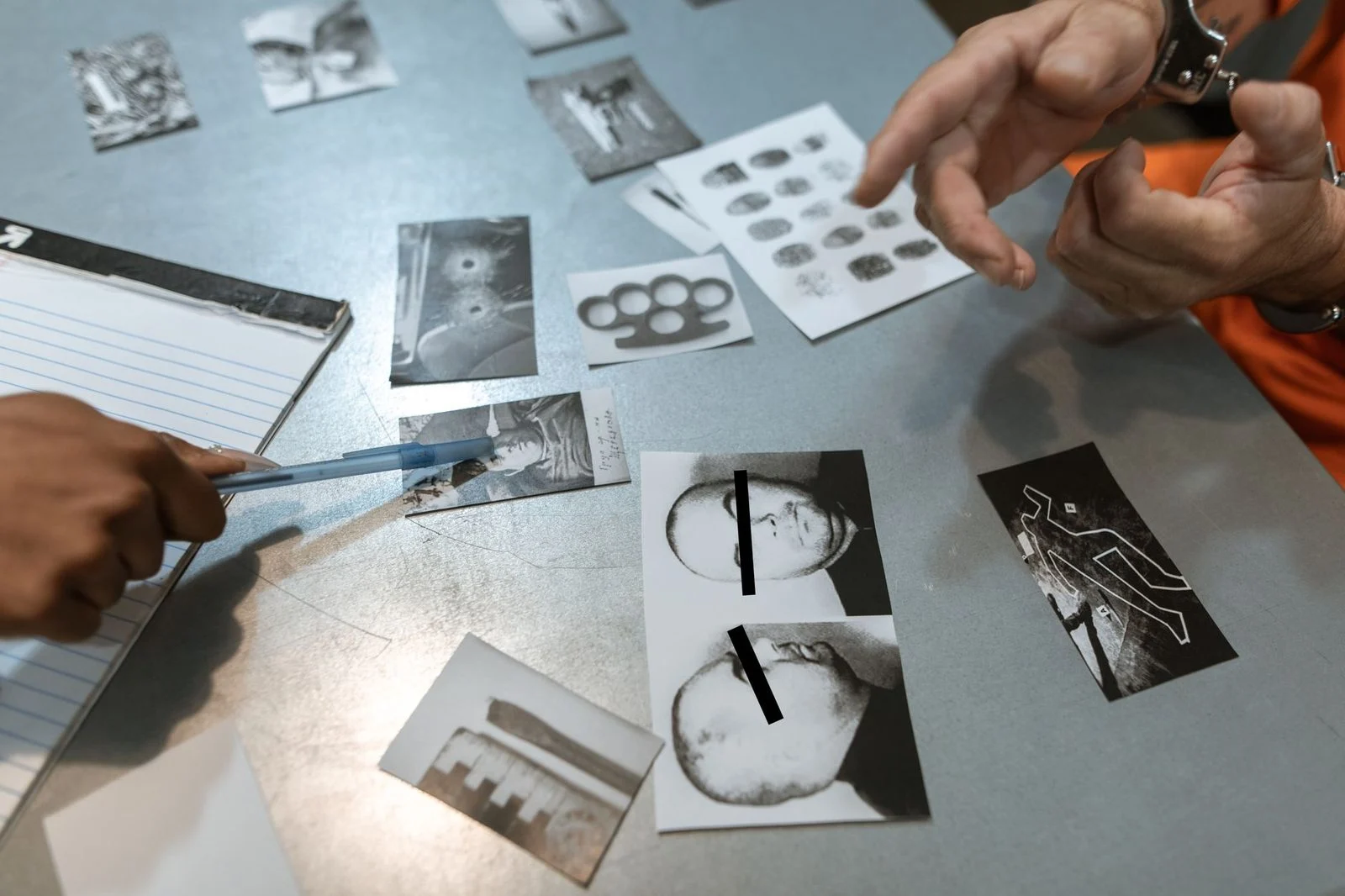
A defense reviews the evidence the State has and the account the accused gives. Key items that may be relevant in a case like this include:
- Text messages and social media messages from before, during and after the encounter
- Phone location data and records of where each person was
- Photos or video from the night
- Witness accounts about how the night began and ended
Statements the other person made to police or to others can be compared with the rest of the record. Differences between those accounts and the timeline are the kind of gaps a review looks for.
The goal is to find what the record shows, including gaps, inconsistencies and questions about the other person’s condition. Each item is weighed with the others.
Not sure what your next step is?
Talk it through with our team — the first consultation is free, confidential, and carries no obligation.
Can a Sexual Assault Charge Be Dropped in Texas?
Whether a sexual assault charge is dropped depends on the facts of the case. An accusation alone does not decide the result.
An allegation does not automatically become a charge. Prosecutors decide whether to file a case, and they can decline or dismiss one. A case can move from a report to an investigation to a charging decision.
The timing and the path differ from case to case. Each stage can change what the record shows.
For the broader sequence after an accusation, see the pillar guide on the process. For what to gather before a meeting, see the consultation checklist.
Who Reviews These Allegations at Barbieri Law Firm
Barbieri Law Firm, based in Frisco, Texas, defends people accused of sex crimes and assaultive offenses in Collin County, Dallas-Fort Worth and across Texas.
Heather Jean Barbieri, Board Certified, Criminal Law — Texas Board of Legal Specialization.
Our lawyers review the allegation, the evidence and your account of events. Then we explain your options in plain terms, so you know what each path involves.
No lawyer can say how a case will end. Our team will be direct about what the record shows and what it does not yet show. Collin County is one of the counties the firm serves.
Talk With Our Team About Your Situation
If your situation involves a night of drinking and a disputed question of consent, the facts of that night are where a review starts. The messages, the timeline and what each person said are the first things to gather.
Bring what you have to your meeting. The consultation checklist lists the items that help most.
To talk about your situation, call (972) 424-1902 or send your case details through the contact form. This free initial consultation is confidential and without obligation to continue.
Attorney responsible for this site: Heather Barbieri, Barbieri Law Firm, Frisco, Texas.
Frequently Asked Questions
Does drinking alcohol automatically mean someone cannot consent in Texas?
No. Texas law looks at whether the other person actually agreed and was capable of agreeing at the time, and that question is decided based on the facts of each case.
Can someone be charged with sexual assault when both people had been drinking?
Yes, a charge can be filed even when both people had been drinking, because intoxication alone does not decide whether consent existed. An allegation is not the same as a finding that a crime occurred.
What does a consent defense look at in a drunk sexual assault case?
A consent defense looks at the full timeline of the night, including messages, witness accounts, and what each person said and did. A free, confidential initial consultation at (972) 424-1902 is a chance to review those details with Barbieri Law Firm, with no obligation to continue.
Should I talk to police about the allegation before speaking with a lawyer?
It is also wise to avoid contacting the person who made the allegation while the matter is pending.
How We Approach Consent Cases Involving Alcohol
Review of the Evidence
We examine texts, messages, photos, video, timelines, witness accounts and medical or police records to understand what happened.
Focus on the Facts
Consent is judged on the specific facts of each case, so we look closely at each person's account and what was said and done before, during and after.
Protecting Your Rights
From the first conversation, we work to protect your rights, including how you speak with investigators and what you share in writing.
Clear Explanations
We explain the charge, the evidence, the process and your options in plain language, so you can make informed decisions.
Be Careful What You Say and Post Right Now
Do not post about the allegation on social media, contact the other person, or discuss the details with anyone other than your lawyer. Messages and posts can become evidence. Your first consultation is free, confidential and without obligation.
Questions People Ask Us About These Cases
Does drinking settle the question of consent?
No. Alcohol does not decide the issue on its own. What matters is whether the other person agreed and was able to agree at the time, and that is judged on the facts of each case.
Can a charge be filed if both people had been drinking?
Yes. We look closely at each account and the surrounding evidence.
What evidence do we review?
We review messages, social media activity, location data, video, witness statements, medical records and any statements already given to police.
How do I start?
Call (972) 424-1902 or send us your case details. Your free consultation is confidential and carries no obligation to continue.
Talk With Barbieri Law Firm About Your Case
Related practice areas
Request a Consultation
Fill out the short form and we will take it from there.