

Sex Crimes Defense | Collin County and Dallas-Fort Worth
Indecency with a Child: Understanding the Evidence in Texas
The State builds its case from testimony, recordings, digital records and medical findings. Here is how that evidence is put together, and how our team reviews it with you.
By Heather Barbieri · Published November 3, 2026
If someone you love has been charged with indecency with a child, you may be holding court papers you don’t fully understand. You may also wonder what the State will rely on. This guide explains the types of indecency with a child evidence Texas prosecutors often use. It also covers the questions a defense lawyer typically asks about each one. This is general information, not advice about any particular case. Barbieri Law Firm, based in Frisco, handles these charges across Collin County and Texas.
What is indecency with a child under Texas Penal Code 21.11?
Texas treats indecency with a child as a felony when the conduct involves sexual contact with a child under 17, or the exposure of the anus or genitals involving a child under 17 while knowing the child is present, committed with intent to arouse or gratify sexual desire. The degree depends on which conduct is charged. The acts must be done with intent to arouse or gratify sexual desire. Under Texas Penal Code § 21.11, an offense can involve engaging in sexual contact with a child younger than 17 or causing the child to engage in sexual contact.
The first is sexual contact. This means touching a child’s anus, breast, or genitals, including through clothing, or the child touching any part of the child’s body against the person’s anus, breast, or genitals, in either case with intent to arouse or gratify sexual desire. The statute also covers causing the child to make this contact.
The second is exposure. A person commits this form by exposing their anus or genitals while knowing the child is present. It also covers causing the child to expose their own anus or genitals.
The contact form is a second-degree felony. The exposure form is a third-degree felony. The statute applies even if the person did not know the child’s age at the time.
The statute also lists an affirmative defense. It requires several conditions, including no more than a three-year age gap, opposite sexes, and no duress, force, or threat. A separate age rule also exists. Under Code of Criminal Procedure art. 42.017, the judge must make an affirmative finding in certain trials. That applies when the defendant was no more than four years older than a victim at least 15, and the conviction rests solely on their ages.
The evidence below matters because it bears on age, conduct, or intent.
If someone you love faces an indecency with a child charge, you don't have to work through the papers alone. Our team can talk with you about what the State has. Talk it through with our team — the first consultation is free, confidential, and carries no obligation.

What types of evidence do prosecutors rely on in indecency with a child cases, such as forensic interviews, outcry witness testimony, and digital or physical evidence?
Prosecutors commonly rely on outcry witness testimony, recorded forensic interviews, digital and electronic records, medical or physical evidence where it exists, and testimony from other witnesses. The mix changes from case to case. Some cases rest mostly on statements, while others include phone data or medical findings.
No single type of evidence decides a case. Prosecutors put the pieces together, and the defense tests each one. Ask what each item shows about age, conduct, or intent. An item that does not bear on one of those points may matter less than it first seems. The sections below cover each type, starting with the outcry.
How does outcry witness testimony work in indecency with a child cases?
An outcry is a child’s statement to an adult about the conduct. The first adult the child tells is often called the outcry witness. That person is often a parent, relative, teacher, or caregiver. The witness may describe what the child said, when, and how the child seemed.
The defense can challenge it. A defense lawyer usually asks:
- Who heard the outcry first, and when?
- What words did the child use, and in what setting?
- Did anyone ask repeated or suggestive questions before the child spoke?
- Did the account change over time, and how?
The answers help show how reliable the statement is. A short comment made in a casual moment can differ from a detailed account given after many questions.
What is a forensic interview, and what can it show in these cases?
A forensic interview is a structured interview of a child. It is usually recorded and often done by a trained interviewer at a child advocacy center. The OJJDP forensic interview guidance describes professional standards that include open-ended questions and avoiding repeated questioning.
Defense lawyers usually look at:
- Interviewer technique, including questions that suggest the answer
- Timing, and whether the child was interviewed more than once
- Whether the child’s statements match other statements
A forensic interview is one piece of the record. It is weighed alongside the other evidence, not on its own.
How do digital and electronic records fit into indecency with a child evidence?
Digital records include messages, photos, videos, social media activity, location data, and search history. They often come from phones and online accounts. When contact happened online, these records can be central. The NCMEC on online enticement page describes what enticement involves and the grooming tactics it can include.
These items usually come through a search warrant or other legal process. Defense lawyers ask how each item was obtained, what the warrant covered, and what the device extraction captured. Extractions can produce large volumes of data. Context matters, including who sent a message, when, and what came before and after it.
If you hold papers about a device or account, keep copies and write down any dates in them. Don’t delete, edit, or change anything on those devices or accounts. Send us the papers and your case details, and our team at Barbieri Law Firm will review the case and explain your options.
What physical and medical evidence can come into an indecency with a child case?
Physical and medical evidence can include exam reports, photographs, clothing, and biological samples. Not every case includes them.
When medical findings exist, the defense reviews the examiner’s report and qualifications. Findings can be read in more than one way, so the exact wording matters. The absence of physical evidence is also a point the defense can raise. It is not a conclusion on its own.
Other witnesses matter too. Family members, teachers, and caregivers may describe what they saw or heard. Their accounts are compared with each other and with the child’s statements to check for consistency.
Not sure what your next step is?
Talk it through with our team — the first consultation is free, confidential, and carries no obligation.
How can the evidence be reviewed and questioned in an indecency with a child case?
A defense lawyer reviews each piece of indecency with a child evidence. The lawyer checks each item against the others and asks how it was collected. The lawyer then reviews recordings, reports, and device data.
Typical steps include:
- Building a timeline of dates, statements, and contacts
- Checking whether each report matches the recording or records it describes
- Questioning how each item was gathered and stored
Texas prosecutions may also involve evidence of a defendant’s prior sexual acts against other children.
How long review takes depends on the facts of each case. Share the papers you hold with a lawyer rather than relying on summaries from others.

Where should a family member take the evidence questions next?
You may be worried about someone you love, holding papers you don’t fully understand, and unsure what the State has. For a broader overview, read the child sex crime charges guide. If you’d like to talk about your loved one’s situation, Barbieri Law Firm offers a free, confidential initial consultation with no obligation to continue. Call (972) 424-1902 or send your case details through the contact page. No lawyer can ensure a result.
Quick answers
What is indecency with a child evidence?
It is the proof the State offers on the age, conduct, and intent parts of the charge. It can include outcry testimony, recordings, digital records, and medical findings.
Does indecency with a child require physical evidence?
No. Physical evidence is not an element of the offense, and the statute covers touching through clothing.
What is the age limit for the child?
The child must be younger than 17 under Texas Penal Code § 21.11.
Attorney responsible for this site: Heather Barbieri, Barbieri Law Firm, Frisco, Texas.
How we review the evidence with you
We review every piece of the State's proof
We go through the outcry statements, recordings, messages, reports and medical records, and explain what each one shows and what it does not.
We look at the gaps as well as the claims
Inconsistencies in timing, detail, source or context can matter. We identify them early so you understand where the case stands.
We protect your rights from the first call
Your statements, your devices and your communications all matter. We advise you on what to do and what to avoid while the case is developing.
We explain your options in plain language
You will receive a clear explanation of the evidence and your options so you can make informed decisions.
Before you speak with investigators
Anything you say, text or post about the allegation can become evidence. Speak with a defense lawyer before you give a statement or hand over your phone or other devices.
Types of evidence in these cases
Outcry and testimony
Statements made to family, teachers, medical staff or investigators, and later testimony about what was said and when.
Recordings and digital records
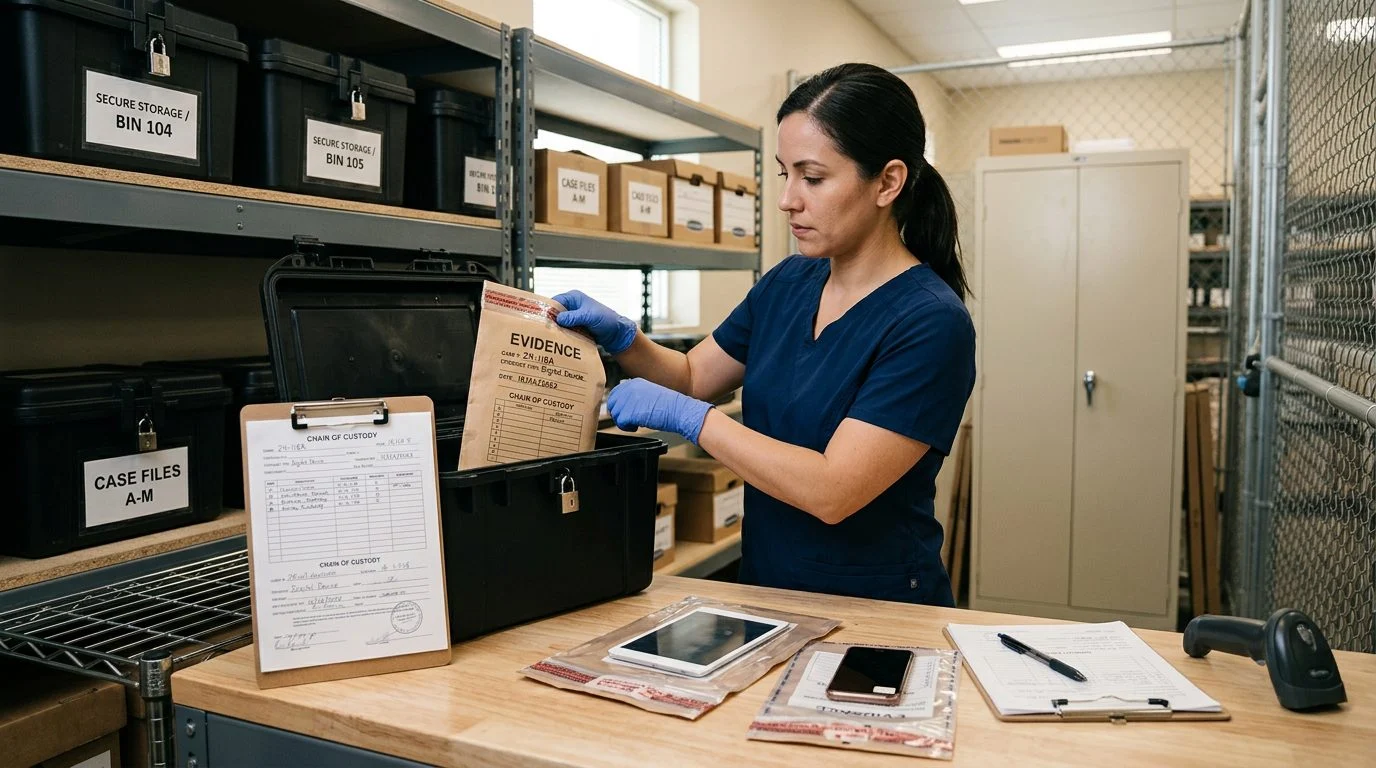
Phone data, messages, images, video, cloud accounts and metadata. Authenticity, chain of custody and context all need review.
Medical and forensic findings
Examination reports and lab results. Their meaning depends on timing and the medical opinions offered, and they are often open to question.
Witness accounts and records
Statements from people who were present or who heard about the allegation, school and family records, and law enforcement reports.
Talk with Barbieri Law Firm about the evidence in your case. Your first consultation is free, confidential and carries no obligation to continue.
Request a Consultation
Fill out the short form and we will take it from there.