

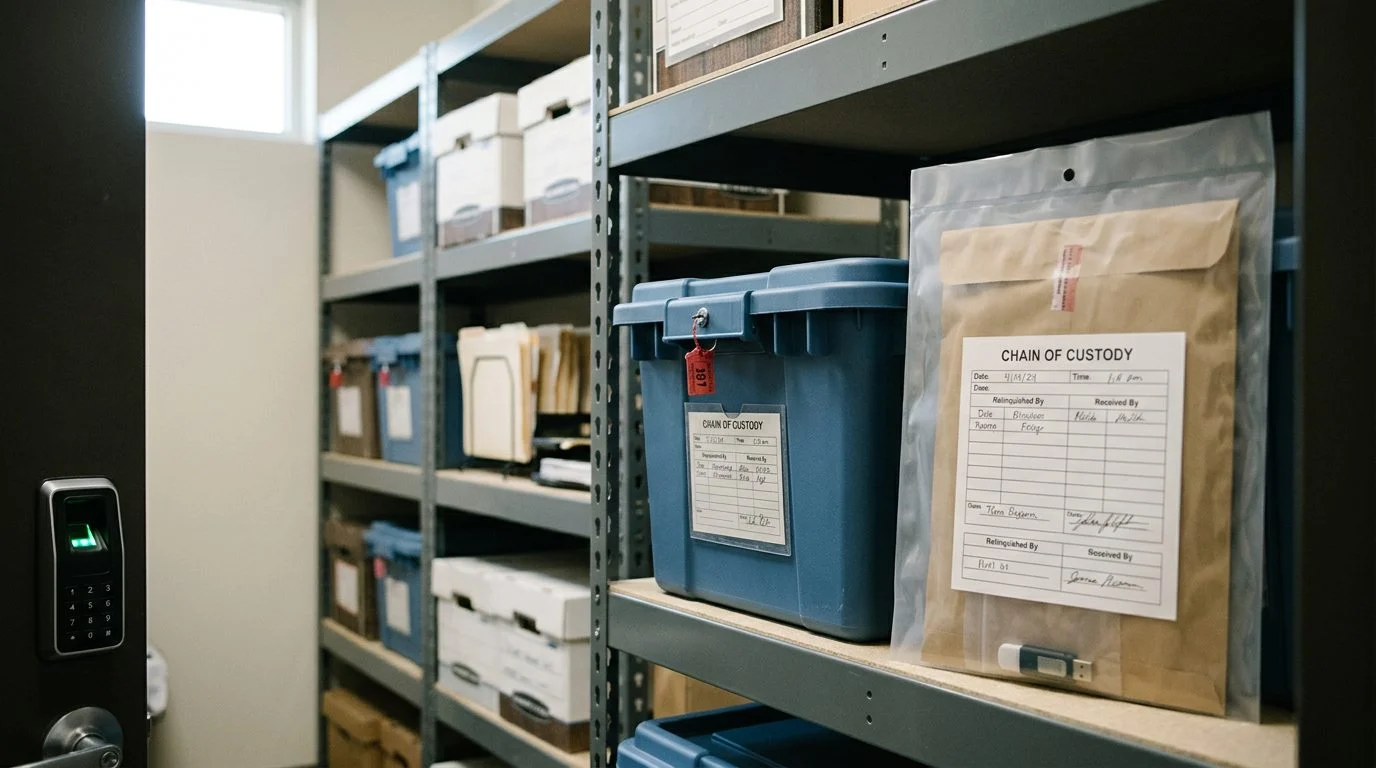
Child Sex Crimes Defense | Frisco, Texas
The Forensic Interview in a Texas Child Sexual Abuse Case: What It Is and Why It Matters
Barbieri Law Firm helps people accused of child sex crimes across Collin County and Texas understand how these interviews are conducted, recorded and used in court.
By Heather Barbieri · Published October 21, 2026
A forensic interview is a recorded, structured conversation between a trained interviewer and a child about possible abuse. In a Texas child sexual abuse case, it is often the first formal step in learning what the child has to say. If a child has been asked to take part, or you have just learned an accusation was made, this page explains what happens in a forensic interview, what it can show, and what it can’t.
What Is a Forensic Interview?
A forensic interview is a structured, recorded talk with a child, led by a trained interviewer. Its goal is to learn what the child has experienced, in a fair way that fits the child’s age. The interviewer is not deciding whether abuse happened or who is responsible. That work belongs to the investigation and, later, the courts.
It is different from talk at home. A parent asking “what happened?” in the kitchen is a conversation. A forensic interview follows a plan, is recorded, and is done by someone trained to avoid putting words in a child’s mouth. The Office of Juvenile Justice and Delinquency Prevention describes general professional standards for these interviews, including avoiding repeated questioning and using open-ended questions (OJJDP child abuse investigations and forensic interviews).
A medical examination is a separate step with its own purpose. It is not the same as the interview.
If a child has been asked to speak with investigators, waiting for answers is hard, and you don't have to face it alone. Our team offers a free, confidential initial consultation with no obligation to continue. Talk it through with our team — the first consultation is free, confidential, and carries no obligation.
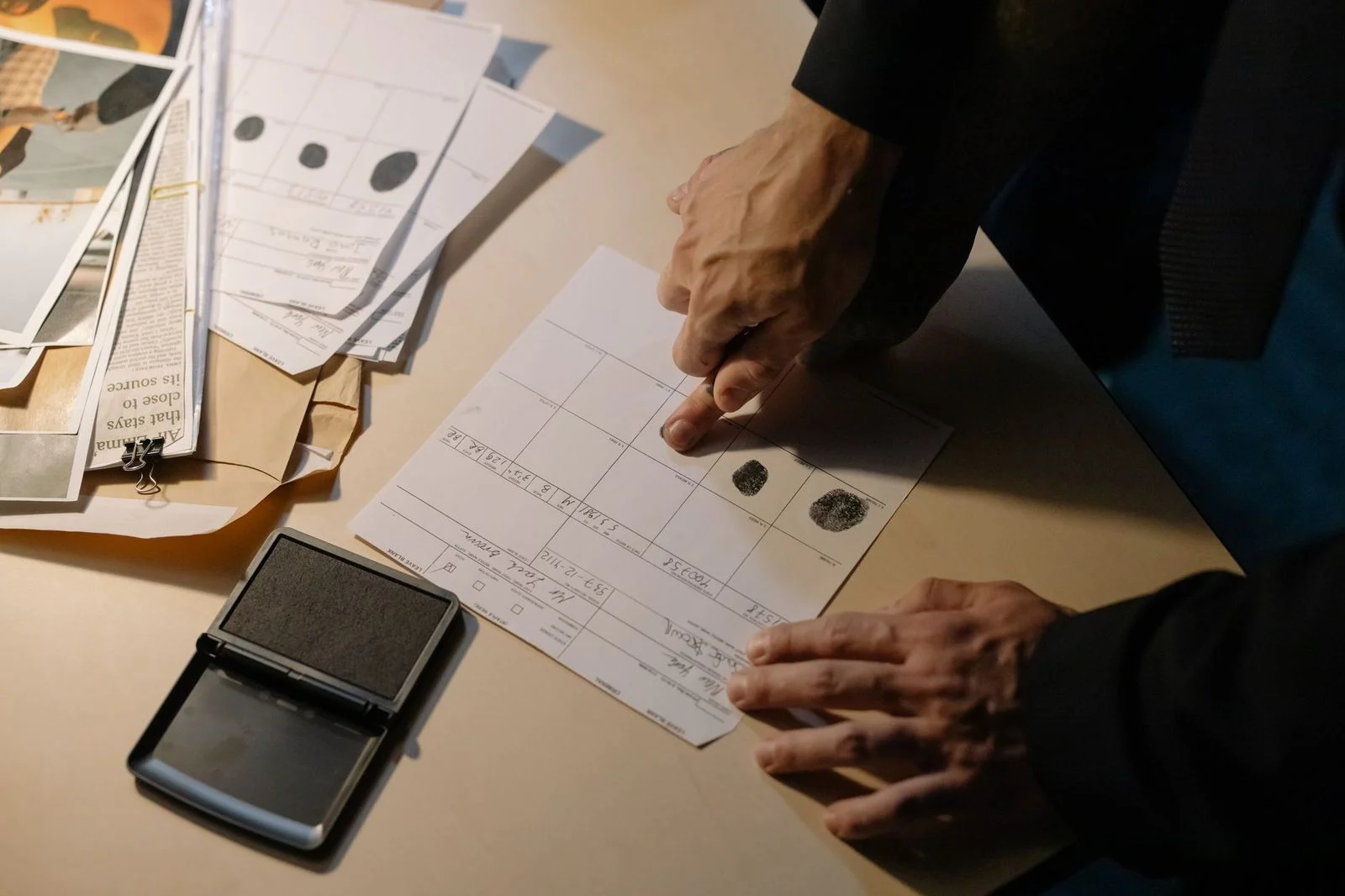
Where the Interview Happens and Who Is Involved
In Texas, many forensic interviews happen at a children’s advocacy center. These are child-friendly places where investigators and child-protection professionals work together. Children’s Advocacy Centers of Texas reports that Texas centers and multidisciplinary teams conduct and coordinate forensic interviews and related services (Children’s Advocacy Centers of Texas brochure).
This group is called a multidisciplinary team. It may include child protective services, law enforcement, prosecutors, and sometimes medical or mental health professionals. Some of them may watch from another room. One interview can serve several agencies. The child does not have to tell the story again and again to each one.
The interviewer is trained in child development and interview technique. In most cases, the interviewer is not a parent or family member. That separation helps protect the child’s account from family influence.
What Happens During the Session
The session usually follows a set order. The interviewer starts with an introduction and builds rapport. Then the interviewer explains the ground rules. The child is asked to tell the truth and to say when a question is not understood.
Open-ended questions come first, such as “tell me about that.” Narrower questions come only when they are needed. Interviewers are trained to avoid questions that suggest the answer. A question that suggests the answer, such as “He touched you, didn’t he?”
The wording and pace change with the child’s age. A young child may need simple words for body parts, places, and people. A teenager may speak in a very different way. Problems often start when adults rush. A child asked the same question five times may change the answer just to make the questions stop.
Why the Interview Is Recorded and How the Recording Is Used
Forensic interviews are commonly recorded on video or audio. The recording keeps the child’s words as they were said. It does not depend on a summary written later by one person.
During the case, child-protection workers, investigators, and prosecutors may review the recording. Defense counsel typically looks at how the interview was conducted. That includes the wording of questions, whether any were suggestive, and whether the same question was repeated.
A criminal defense lawyer can explain how those rules apply to a specific case.
How a Forensic Interview Fits Into a CPS Case
In a child protective services case, the interview is one of several sources the agency uses. Its focus is whether the child is safe and what family services are needed.
A criminal investigation asks a different question. It asks whether a crime was committed and whether charges will be filed. The two tracks can run at the same time, with different purposes and timelines. The same recorded interview may be used in both.
The DFPS parent’s guide explains the investigation process.
Is a Forensic Interview Enough to Convict?
No. A forensic interview is one piece of evidence. It does not establish guilt by itself. A criminal case may also include medical findings, statements from other witnesses, digital evidence, and the accused’s own statements. A judge or jury weighs all of it together.
Texas law does allow a child’s statement in some protective order hearings. That article applies to protective order hearings.
Charges vary by conduct. For example, Texas Penal Code § 21.11 makes it an offense to engage in sexual contact with a child younger than 17, when the contact is committed with the intent to arouse or gratify the sexual desire of any person. The same section sets out an affirmative defense with specific conditions (Texas Penal Code § 21.11).
A defense lawyer often reviews a recorded interview for several points. These include how questions were asked, whether the child spoke with others before the interview, and whether the account stayed consistent over time.
Not sure what your next step is?
Talk it through with our team — the first consultation is free, confidential, and carries no obligation.
What Parents and Caregivers Should Keep in Mind
A child’s account is most useful when it comes from the child, not from rehearsal. Don’t ask the child to retell what happened again and again. Don’t practice answers or press for details at home.
If your child tells you something, write it down soon after. Record the date, the time, and the child’s words as closely as you can. Don’t add your own interpretation. Your note is for your own memory and for your lawyer.
If a no-contact condition has been set in a related case, follow it exactly. The court sets the terms of any bond or order. Texas Penal Code § 25.07 makes it an offense to knowingly or intentionally violate certain bond or protective order conditions in family violence, child abuse or neglect, sexual assault or abuse, indecent assault, stalking, or trafficking cases, when the condition is related to the safety of a victim or the community (Texas Penal Code § 25.07).
Frequently Asked Questions About Forensic Interviews in Texas
Can the accused be present at the interview?
Whether the accused may attend depends on the facts and the stage of the case. A lawyer can explain how that applies to your situation.
Can a child’s forensic interview be used in court?
It may be offered as evidence, subject to the rules of evidence and the court’s rulings. Texas law allows a child’s statement in some protective order hearings.
How long does a forensic interview case take?
Timelines vary by county, by case complexity, and by whether charges are filed.
Talk With a Texas Criminal Defense Lawyer About Your Situation
If a child has been asked to speak with investigators, you may be waiting for answers you can’t get yet. That uncertainty is hard, whether you are the accused or a parent trying to protect your child. Barbieri Law Firm, in Frisco, Texas, can talk through how a recorded forensic interview is reviewed in a child sex crime allegation. The initial consultation is free, confidential, and carries no obligation to continue. Contact us at our contact page. For the wider picture, read our guide on facing a child sex crime accusation in Texas.
Attorney responsible for this site: Heather Barbieri, Barbieri Law Firm, Frisco, Texas.
What a lawyer can review in a forensic interview
The recording and transcript
We review whether the interview was recorded, how complete the recording is, and whether the transcript matches what was said.
The interviewer's background
We look at the interviewer's training, the protocol used, and whether the interview followed accepted practice.
How the questions were asked
We examine the wording of the questions, any suggestive or repeated prompts, and whether the child was given room to explain in his or her own words.
Timing and other statements
We compare the timing of the interview with earlier disclosures, medical or school records, and any other statements in the file.
Talk to a lawyer before you respond to questions about the case
Statements about a forensic interview can affect a criminal case. Contact Barbieri Law Firm to learn how the interview fits into your situation before you discuss it with anyone else.
Questions people ask about forensic interviews
Can the accused attend the interview?
Whether the accused may be present depends on the facts and the stage of the case. A lawyer can explain how that applies to your situation.
Can the interview be used in court?
It may be offered as evidence, subject to the rules of evidence and the court's rulings. Texas law allows a child's statement in some proceedings, and a lawyer can review how that applies to the case.
Who conducts the interview?
Forensic interviews are often conducted by trained interviewers at child advocacy centers. We review who conducted the interview and how it was documented.
What happens after the interview?
The interview is one part of the case. We review the investigation as a whole, including reports, records and any further interviews.
Talk with Barbieri Law Firm about your case. Your free initial consultation is confidential and comes with no obligation to continue.
Related practice areas
- Child Sex Crime Charges in Texas: What an Accused Professional Needs to Know First | Barbieri Law Firm
- Texas Criminal Defense Lawyer Credentials: How to Verify
Request a Consultation
Fill out the short form and we will take it from there.