

Child Sex Crimes Defense | Frisco, Texas
Facing a Continuous Sexual Abuse Charge? Get a Clear Defense Plan From Day One
Barbieri Law Firm defends people accused of continuous sexual abuse of a child in Frisco, Collin County, Dallas-Fort Worth and across Texas. We review every piece of evidence, explain your options and stay with you through each step.
How We Approach a Serious Child Sex Crimes Case
Focused criminal defense
Our team focuses on sex crimes and assaultive offenses. We understand how these cases are built and where they can be challenged.
Full review of the evidence
We examine the charging documents, forensic interviews, reports, timelines and any recordings, then explain what the evidence does and does not show.
Clear, direct communication
You will hear plainly what we see in your case, the questions still open and the options available, so you can make informed decisions.
Strategy built around your case
Every defense is tailored to the facts, the witnesses and the stage of the case. No two cases are handled with the same template.
By Heather Barbieri · Published October 27, 2026
Continuous sexual abuse of a young child is a first-degree felony in Texas. Under Texas Penal Code § 21.02, a person commits continuous sexual abuse of a young child or disabled individual when, during a period that is 30 or more days in duration, the person commits two or more acts of sexual abuse, and at the time of each act the person is 17 years of age or older and the victim is a child younger than 14 (whether or not the person knows the child’s age) or a disabled individual. This page explains the elements, the penalties, how these cases are built, and how a defense is organized. It is general information, not advice about your case.
What Continuous Sexual Abuse of a Young Child Means Under Texas Law
The offense requires a pattern, not a single act. Penal Code § 21.02 requires two or more acts of sexual abuse during a period of 30 or more days.
The 30-day span is the element that matters most. One incident, even a serious one, does not meet this offense. The State must show a span of time, so dates, the number of acts, and the timeline all matter.
The statute also sets age rules. The accused must be 17 or older at the time of each act. The child must be younger than 14, or a disabled individual. The age that counts is the age at the time of each act.
The offense is part of Texas’s Jessica’s Law legislation. The Texas District and County Attorneys Association explains its elements, covered acts, and punishment range.
If someone you love has just been accused, you don't have to sort out the charge alone. Our team can talk through the facts with you in a free, confidential consultation. Talk it through with our team — the first consultation is free, confidential, and carries no obligation.

What the State Must Prove
The State must prove two or more qualifying acts during a period of 30 or more days. Each act must be one of the offenses listed in the statute.
The listed acts include sexual assault, aggravated sexual assault, certain forms of indecency with a child, sexual performance by a child, and compelling prostitution. Texas Penal Code § 22.011 sets out the conduct that constitutes sexual assault, including causing the penetration of another person’s anus or sexual organ without that person’s consent.
Defense lawyers review that timeline closely.
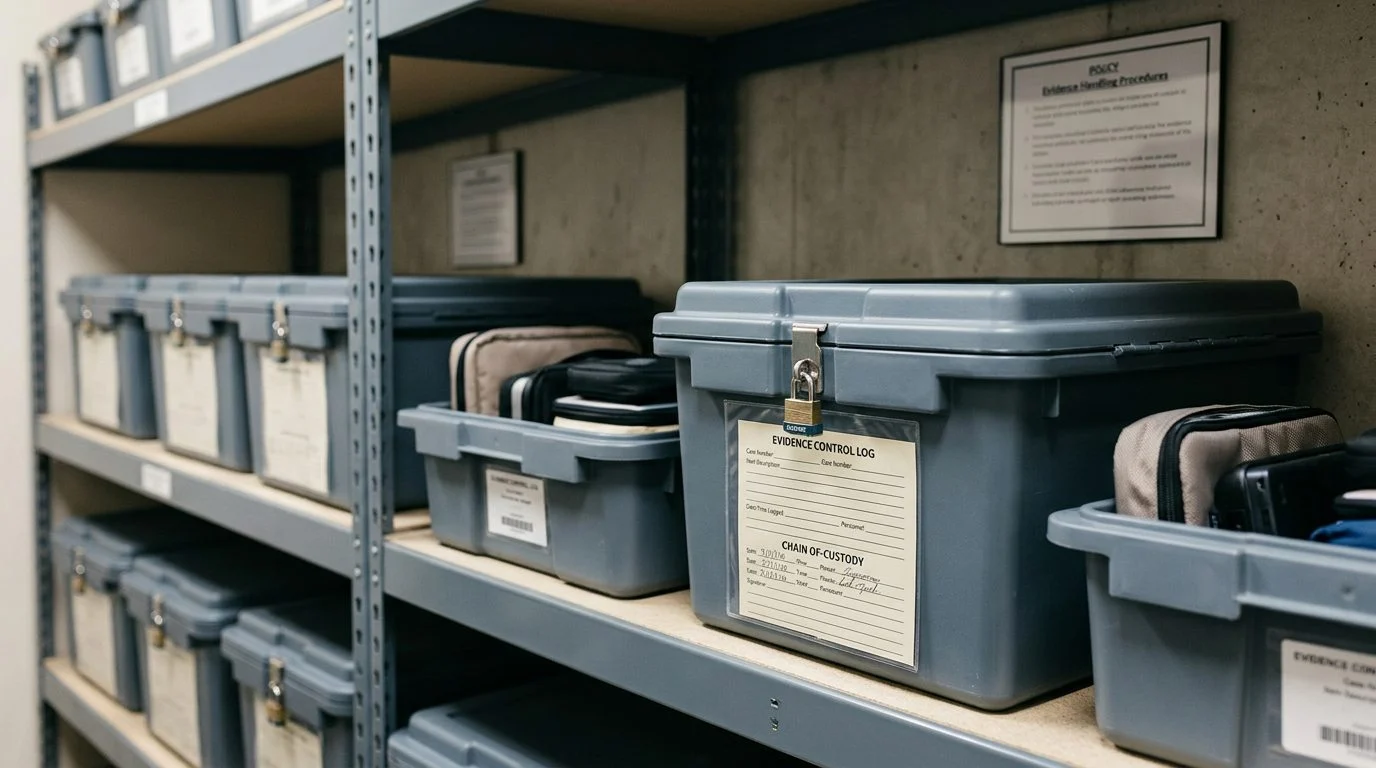
The State often relies on the child’s statements, forensic interview recordings, medical findings, and records. Each can show something, but none proves every element alone. Evidence rules also apply.
What Are the Penalties for Continuous Sexual Abuse in Texas?
A conviction is a first-degree felony. The range is life in prison, or a term of 25 to 99 years, under Penal Code § 21.02. A fine of up to $10,000 can be added, under Penal Code § 12.32.
That range shapes plea discussions and trial decisions. The statute sets the range. Actual sentencing depends on the facts and the choices made in the case.
Registration is a serious consequence.
Related charges are also possible. Indecency with a child by sexual contact is a second-degree felony, and by exposure a third-degree felony, under Penal Code § 21.11. Charging decisions vary from case to case.
How These Cases Are Built and What a Defense Reviews
These cases often turn on the child’s account, the interviews, and the documents. No single item usually settles the question. A defense checks each one against the others.
Start with the accusation. A defense looks at how it first came to light, who reported it, and whether the child’s account changed over time.
Next, review the interviews. Lawyers check whether recorded forensic interviews were done and how they were conducted. Custody, family, or relationship context can bear on timing, motive, and how reliable a statement is.
Medical and physical evidence needs the same care. It must be checked against the specific acts alleged, not just the general subject.
A child-protective investigation can run alongside a criminal case. The Texas Department of Family and Protective Services parent’s guide explains the process and the rights of parents and alleged perpetrators. Keep the two tracks separate in your thinking.
How the Defense Process Works, Step by Step
A defense usually moves through review, evidence gathering, investigation, and then negotiation or trial preparation. Each stage builds on the one before.
- Free initial consultation. The first talk is free and confidential, and carries no obligation to continue.
- Review of charges and conditions. Lawyers review the charging papers, bond status, and any protective order. A protective order can bar contact and going near a home, workplace, or school. If a protective order bars the alleged offender from going to or near certain locations, the court must specifically describe each prohibited location and any minimum distance the offender must keep, under art. 7B.005, unless the court has received a request to keep those locations confidential.
- Discovery review. Recordings, reports, and records are gathered and reviewed.
- Investigation. The defense tests the timeline, witnesses, and documents, and explains options as they develop.
- Negotiation, motions, or trial preparation. The path depends on the facts and on the client’s decisions.
Timelines vary by case. The process is best understood as stages, not fixed dates.
Why Barbieri Law Firm Handles These Cases
Barbieri Law Firm is an all-women criminal defense firm in Frisco, Texas. It defends people accused of sex crimes and assaultive offenses in Collin County, Dallas-Fort Worth, and across Texas.
Heather Jean Barbieri, Board Certified, Criminal Law — Texas Board of Legal Specialization. Our lawyers are Heather Barbieri and Carrie Thomas. Our team works together on evidence review and client communication.
The firm’s work centers on sex crime and child-related charge defense. That focus describes the matters it handles.
Not sure what your next step is?
Talk it through with our team — the first consultation is free, confidential, and carries no obligation.
Common Questions About This Charge
Here are short answers to common questions.
Can someone be charged for a single incident?
Does a child’s statement alone decide the case?
No. The State must still prove each element, including the two acts and the 30-day period.
Should the accused talk to police?
Talk to a lawyer before answering police questions. Decisions about statements affect the whole case.
What if the accused is a family member?
Family relationships can affect timing, motive, and the reliability of statements. Those facts need review.
Does a conviction always mean the maximum sentence?

Talk Through Your Situation With Barbieri Law Firm
If you or a family member has just learned of this accusation, the first decisions feel heavy. You don’t have to make them without a clear picture of the charge.
Call (972) 424-1902 or send your case details through the contact page. Your free initial consultation is confidential and carries no obligation to continue. A conversation lets you ask questions about your own facts before deciding anything.
Attorney responsible for this site: Heather Barbieri, Barbieri Law Firm, Frisco, Texas.
Important: Do Not Answer Police Questions Alone
Talk to a lawyer before answering police questions or signing any statement. Decisions about what to say affect the entire case, and early statements are often the hardest to undo.
What Happens at Your Free Consultation
Confidential conversation
Tell us what has been alleged and what has happened so far. Everything you share with us is confidential.
Review of the case
We look at the charge, the available records and the timeline, and identify the issues that need attention right away.
Explanation of your options
We explain the possible paths forward in plain language, including what each path would involve, so you can decide what fits your situation.
Clear next steps
If you choose to move forward, we tell you exactly what happens next. The consultation carries no obligation to continue.
Speak With Barbieri Law Firm Today
Related practice areas
- Child Sex Crime Charges in Texas: What to Know After an Accusation
- Online Sex Crime Case Review Collin County, TX
Request a Consultation
Fill out the short form and we will take it from there.