

Child Sex Crimes Defense | Collin County and Dallas-Fort Worth, Texas
Reviewing the SANE Exam in a Texas Child Sex Crime Case
A medical report is one piece of a larger record. We read every part of it and explain what it does and does not show.
By Heather Barbieri · Published November 10, 2026
If your loved one has been charged in a Texas child sexual assault case, a SANE exam report may be one of the first documents you hear about. A SANE (sexual assault nurse examiner) report records what was done and found during a medical exam. It does not, by itself, decide whether a sexual assault happened. This guide explains what the report can and cannot show, and how a defense lawyer tests the medical evidence alongside the rest of the case.
What a SANE Exam Report Is and Why It Matters in the Case
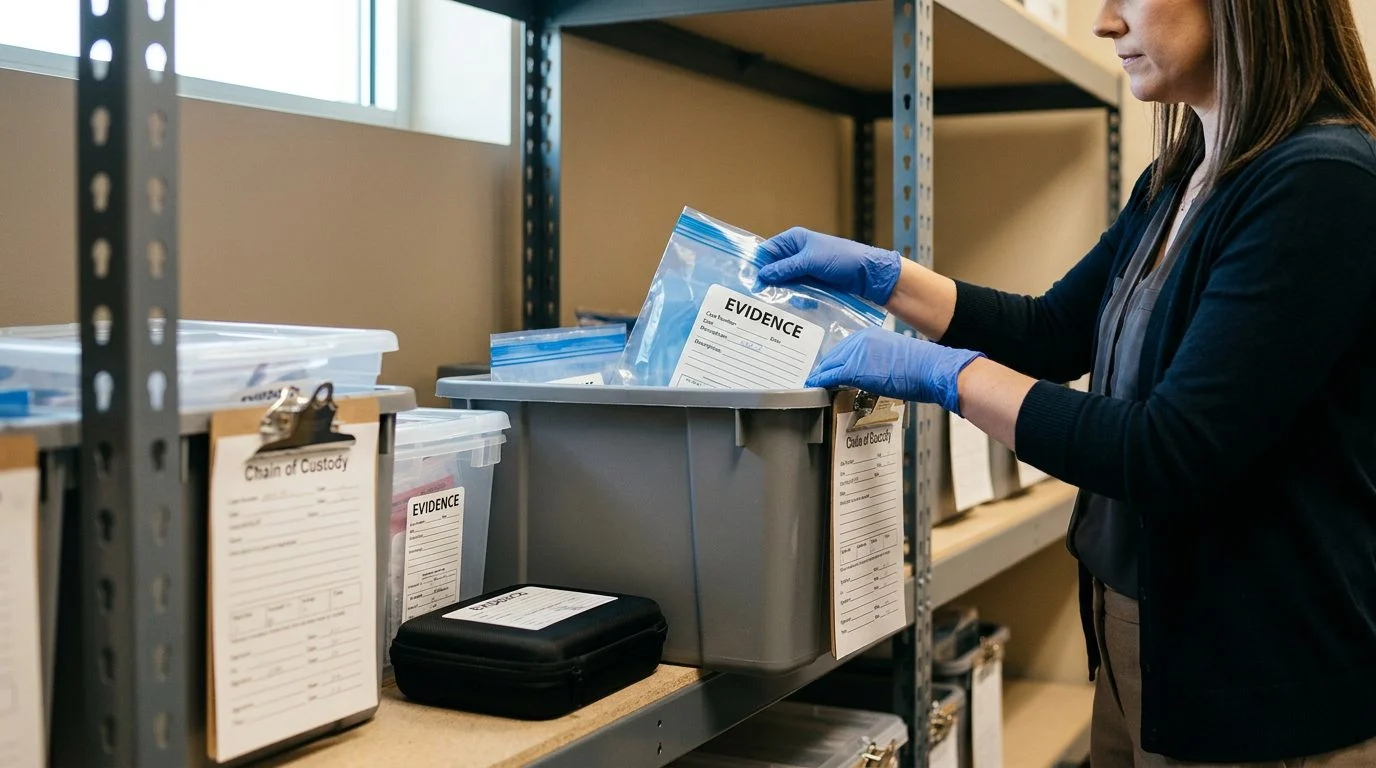
A SANE exam report is the written record of a medical exam done after a reported sexual assault. A nurse trained as a sexual assault nurse examiner usually performs the exam. It typically includes a medical history, a physical examination, and the collection of samples. The examiner writes down what was done and found, and that report becomes part of the case file.
Investigators and prosecutors often read the report when they decide whether to pursue charges. The Texas Attorney General explains how sexual assault exams are done and how forensic evidence is collected (Texas Attorney General exam guidance).
The report is a record, not a verdict. Others in the case, including the prosecutor, interpret what the findings mean. That is why the report needs careful review, not a quick read.
If a SANE report is part of the charge your loved one faces, our team can review it with you and explain your options in plain language. Talk it through with our team — the first consultation is free, confidential, and carries no obligation.
What the Report Can and Cannot Show
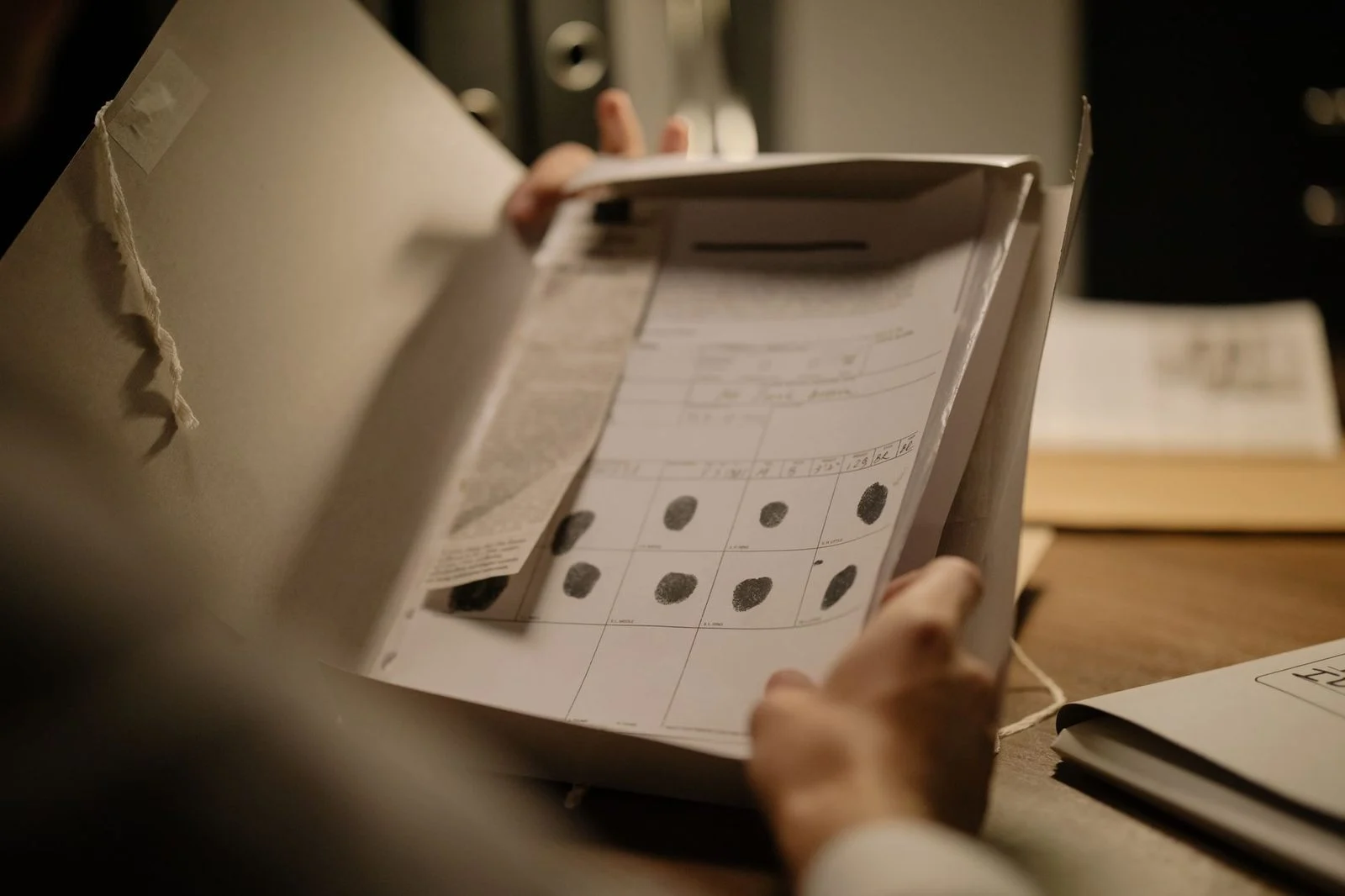
A medical report does not, by itself, show what caused a finding or who was involved. It shows what the examiner saw, asked, and collected.
Three kinds of entries matter most:
- A finding is what the examiner observed, such as a mark, redness, or a normal result.
- A description is how the examiner recorded that finding, such as its size or location.
- A conclusion is an opinion about cause, such as whether a sexual act produced the finding.
Keep these apart as you read. A finding is a fact on the page. A conclusion is someone’s interpretation of that fact.
The phrase “consistent with” is common in these reports. It means the finding fits the history the child gave. It does not mean the finding came only from that history. To a reader without medical training, it can sound stronger than it is.
A report with no visible injury does not, on its own, answer whether an assault happened. So the whole file gets reviewed, not one page.
The child’s account is written in the same report, but it is separate from the physical findings. Each one is judged on its own terms.
How the Defense Tests the Medical Evidence
A defense lawyer tests the medical evidence by getting the complete file, building a timeline, and checking how each record was made.
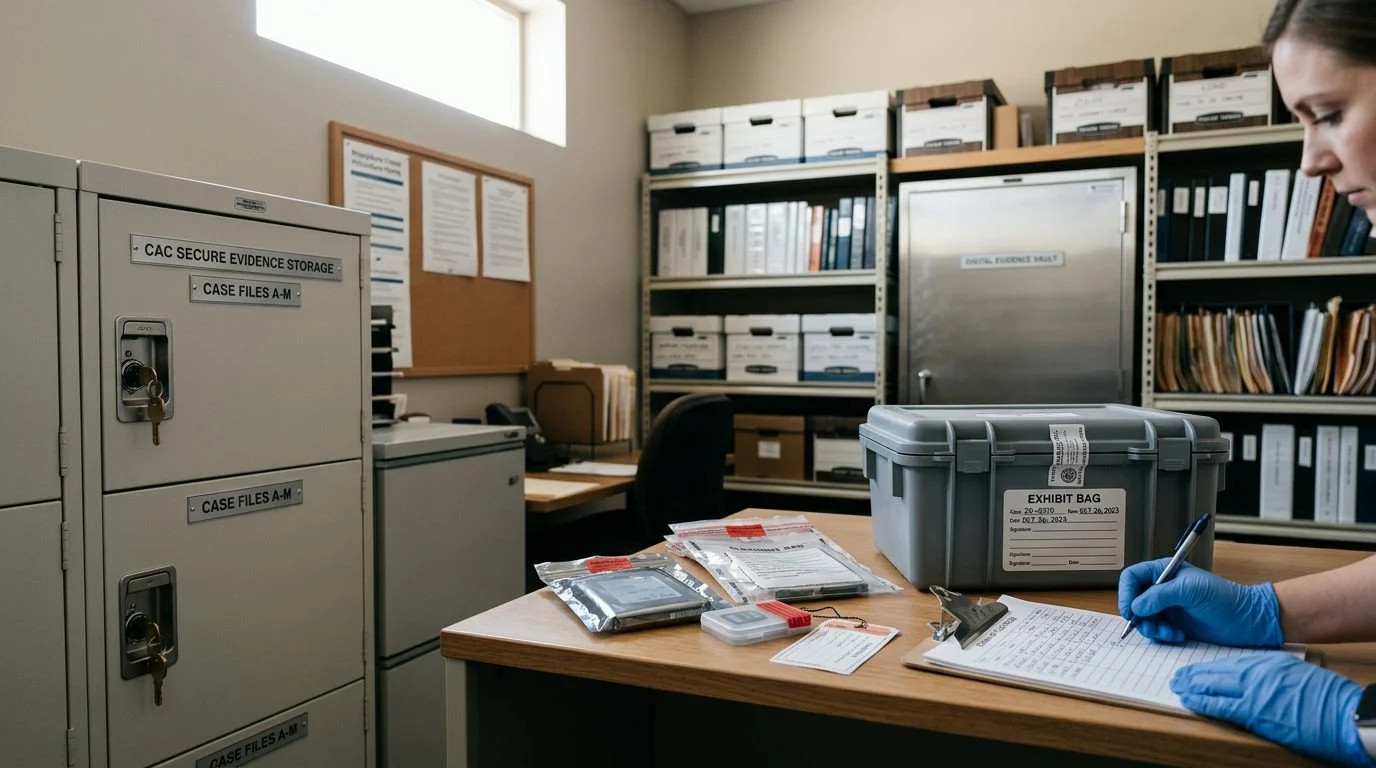
- Get the complete file. Request the full chart, intake and history notes, photos, diagrams, lab and DNA reports, and chain-of-custody records for every sample.
- Build a timeline. Compare the date of the alleged event, the exam date, and any gap between them.
- Check how the history was taken. Look at who asked the questions, who was present, and whether the recorded words match other records.
- Review the samples. Check how each sample was handled, stored, and tested, and whether results were positive, negative, or inconclusive.
- Consult a medical reviewer when needed. Where the case calls for it, an outside medical reviewer can read the findings against the charge.
- Prepare the challenges. Plan the cross-examination and pretrial challenges the medical evidence supports, and explain each option before any decision.
A common mistake is to assume the exam settles the case. It does not. The report is one record among several.
DNA results need the same care. The Texas Department of Public Safety runs a limited-consent sexual assault DNA testing program (Texas DPS limited-consent DNA testing). A CODIS DNA database match can happen only when the suspect’s DNA profile is already in the database. The match alone does not show what the assault involved.
How the Exam Connects to the Interview and the Charging Decision
The medical report is one part of a larger timeline that can also include a forensic interview and child protective services records.
A SANE exam, a forensic interview, and child protective services records can overlap or conflict. A defense review compares what the child said in each setting, and when, against the medical findings.
Texas child sex crime cases move from a report to an investigation and then to a charging decision. The investigation timeline guide walks through those stages. Prosecutors make their own charging decisions. The defense responds to the evidence as it develops.
Penalties also shape the stakes. Under Texas Penal Code § 22.021, aggravated sexual assault is a first-degree felony. The minimum prison term rises to 25 years in some circumstances, including when the victim is younger than 10.
How Barbieri Law Firm Approaches These Cases
Barbieri Law Firm is an all-women criminal defense firm in Frisco, Texas, that defends professionals accused of sex crimes and assaultive offenses.
Heather Jean Barbieri, Board Certified, Criminal Law — Texas Board of Legal Specialization, leads the firm. The firm’s lawyers are Heather Barbieri and Carrie Thomas. We serve clients in Collin County, Dallas-Fort Worth, and across Texas.
Our team approaches a medical-evidence case step by step. We review the report, the timeline, and the records closely. We explain your options in plain language and keep your family informed as the case moves. Our work stays focused on the record in front of us and the options that record supports. No lawyer can promise how a case will end.
Frequently Asked Questions About SANE Exams and Child Sex Crime Charges
Short answers to the questions families ask most often about SANE reports and child sex crime charges.
Is a SANE exam the same as a forensic interview?
No. The SANE exam is a medical exam and report, while a forensic interview is a recorded conversation with the child about what happened.
Does a SANE exam prove a child was assaulted?
No single exam settles the question. The charge depends on the full evidence, and the report is one part of it.
Can a charge rest on a medical exam with no visible injuries?
Can our family request the SANE report or medical records?
A defense lawyer’s first step is to request the complete file, including the chart, lab records, and chain-of-custody records.
What happens first if a charge has been filed?
The early steps include arrest, bond, and first court settings. Requesting the medical file early is one step a defense lawyer can take.
Not sure what your next step is?
Talk it through with our team — the first consultation is free, confidential, and carries no obligation.
Talk With Us About the Medical Evidence in Your Family’s Case
If a medical exam report is part of a charge against your loved one, you do not have to work through it alone.
Our team can review the report, the timeline, and the records with you and explain your options. You can reach us in three ways:
- Call (972) 424-1902.
- Send your case details through our website.
- Schedule a consultation through our contact page.
Your first consultation is free, confidential, and without obligation to continue.
Attorney responsible for this site: Heather Barbieri, Barbieri Law Firm, Frisco, Texas.
What we review in the SANE evidence
The full SANE report
We read the history taken, the findings recorded and the examiner's conclusions, including any language that is qualified or uncertain.
The timeline
We compare the dates and times in the exam with the accounts given by the child, the family and anyone else involved.
The forensic interview
We review any recorded interview and how it was conducted, because it is a separate source from the medical exam.
Collection and handling
We look at how samples were collected, labeled and stored, and whether the chain of custody is documented.
The lab results
We check what the laboratory testing actually found and what it cannot tell us about who was involved or when.
A SANE report is not the whole case
A SANE exam can be important evidence, but no single exam settles whether an offense occurred. The charge depends on the full evidence, and the report is one part of it. Do not assume the report decides your case before the full record has been reviewed.
Common questions about SANE exams
Is a SANE exam the same as a forensic interview?
No. The SANE exam is a medical exam and written report. A forensic interview is a recorded conversation with the child about what happened. They are separate sources of information.
Does a SANE exam prove a child was assaulted?
No single exam settles the question. Many exams show no physical injury, and a normal result does not end the inquiry. We review what the report does and does not say.
What if the exam was normal or unclear?
Findings can be limited, delayed or open to more than one explanation. We examine how the findings were recorded and what other evidence the state relies on.
Talk with Barbieri Law Firm about your child sex crime case. Your first consultation is free, confidential and comes with no obligation to continue.
Related practice areas
Request a Consultation
Fill out the short form and we will take it from there.