

Sex Crimes Defense | Collin County and Dallas-Fort Worth
An Adult Sexual Assault Charge Turns on Consent and Evidence
Your case starts with the facts. We review the evidence with you, explain what the State must prove, and walk you through the options before you decide on a next step.
By Heather Barbieri · Published November 17, 2026
If you’ve learned that you’re charged with sexual assault, or under investigation for it, your first question is probably what consent means under Texas law. Here’s the short answer: the State must prove the act happened without consent, and the law names specific circumstances in which consent is missing. A consent and evidence review tests those circumstances against the records in your case.
What a Consent and Evidence Review Is and Who It Is For
A consent and evidence review is a structured look at your charge, the State’s evidence and the facts about consent. It’s done early, so you understand where you stand before you make decisions that matter.
It is for an adult charged with, or under investigation for, sexual assault in Texas. You may have learned of the allegation from a police notice, a phone call or someone who heard it secondhand. You may be reading this for yourself while a situation you didn’t choose is moving fast.
A review does four things:
- Sorts the charge against the parts the State must prove
- Organizes the records you already have and finds what’s missing
- Explains the consent questions in plain language
- Lays out your options, including the strengths and weaknesses of each
A review informs your options. It does not promise any outcome, and no lawyer can promise a particular outcome in a sexual assault case. You don’t need to decide anything on this page.
If you're facing a sexual assault charge in Texas, our team can walk through the consent questions and evidence in your case during a free, confidential first consultation. Talk it through with our team — the first consultation is free, confidential, and carries no obligation.
How Texas Law Defines Sexual Assault and Without Consent
Sexual assault under Texas Penal Code § 22.011 is generally a second-degree felony. For a sexual assault under Subsection (a)(1) of the statute, the act is without consent if one of the listed circumstances applies. The statute lists circumstances that make it so, including:
- Force, violence or coercion used to make the other person submit
- A threat of force or harm the other person believed the actor could carry out
- The other person being unconscious or physically unable to resist, and the actor knowing it
- The other person being unaware the assault is happening, and the actor knowing it
- The other person being intoxicated to the point of being unable to consent, and the actor knowing it
For sexual assault, Texas Penal Code § 22.011(c)(1-a) uses the definition of “consent” in § 1.07(a)(11), which means assent in fact, whether express or apparent. See Texas Penal Code § 1.07.
A second-degree felony carries two to 20 years in prison and a fine up to $10,000 (§ 12.33). Aggravated sexual assault is a first-degree felony under Texas Penal Code § 22.021(e), and § 22.021(f) sets a minimum term of 25 years when the victim is younger than 10, or younger than 14 in the manner described in § 22.021(a)(2)(A).
A separate consent rule, in Texas Penal Code § 22.06, makes the victim’s effective consent, or the actor’s reasonable belief that the victim consented, a defense to assault, aggravated assault, and deadly conduct only if the conduct did not threaten or inflict serious bodily injury, or the victim knew it was a recognized risk of occupation, medical treatment, or a scientific experiment. The defense is not available to a defendant who commits such an offense as a condition of the defendant’s or the victim’s initiation or continued membership in a criminal street gang.
The core question is what happened between the people involved at that time. That’s why messages, conduct and timing carry so much weight. A charge involving a minor follows different rules and is covered separately on our child sex crimes defense page.
What the Review Covers: The Evidence Checklist
The review covers every record that shows what each person said or did before, during and after the event.
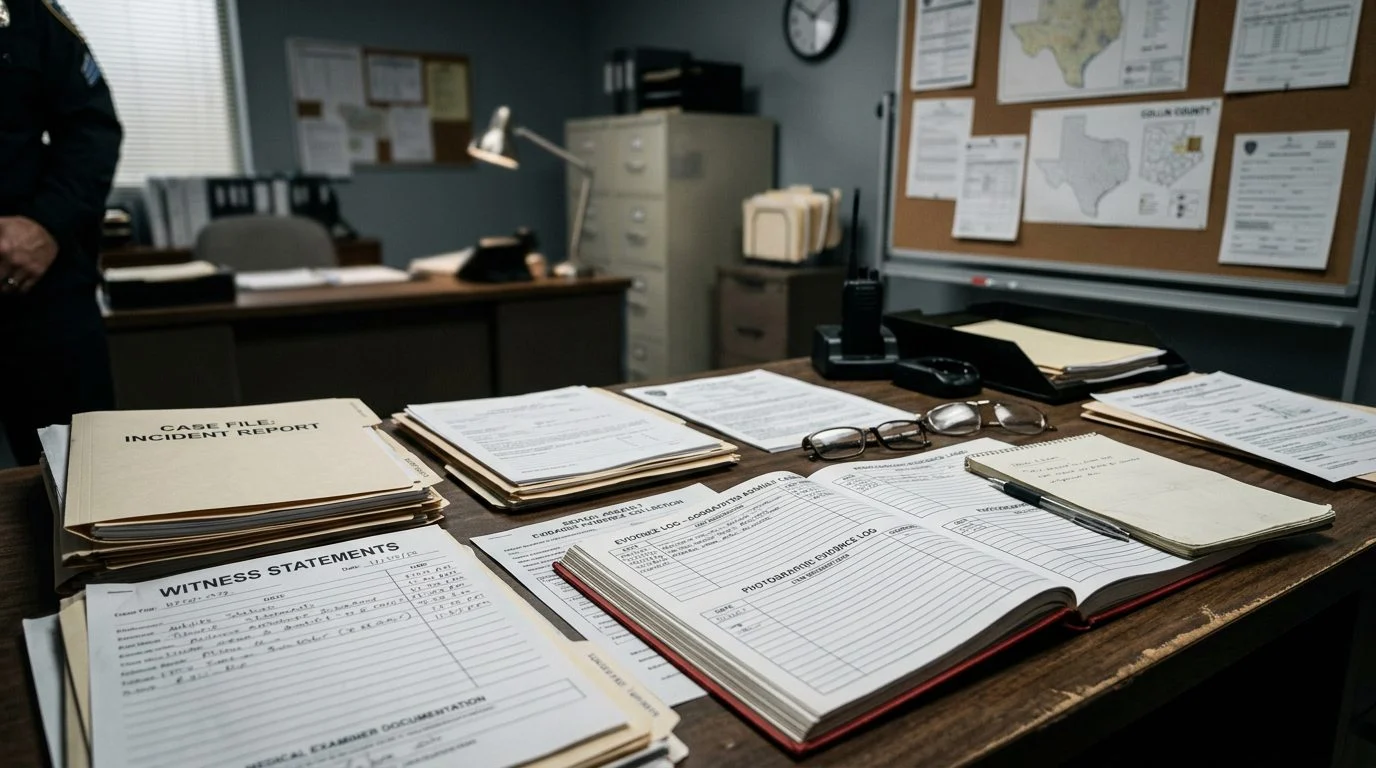
- Charging papers and bond conditions. Your charging documents, bond terms, and any offense report or probable cause affidavit you have received.
- Messages and app records. Texts, social media messages, call logs and app data showing contact before, during and after.
- Timeline. Locations, times, transportation, who was present and when each person left.
- Statements. What you or others told police, including recorded interviews, and whether those accounts match the documented facts.
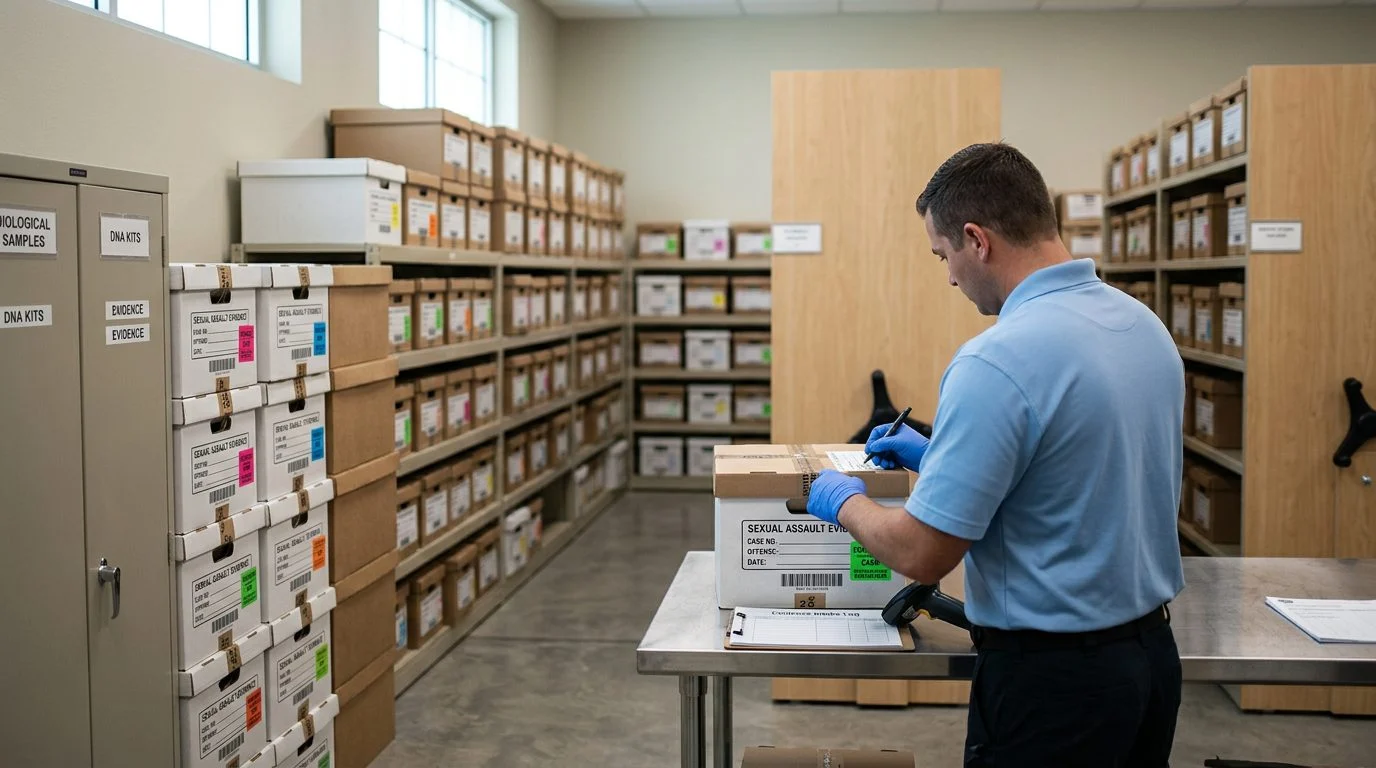
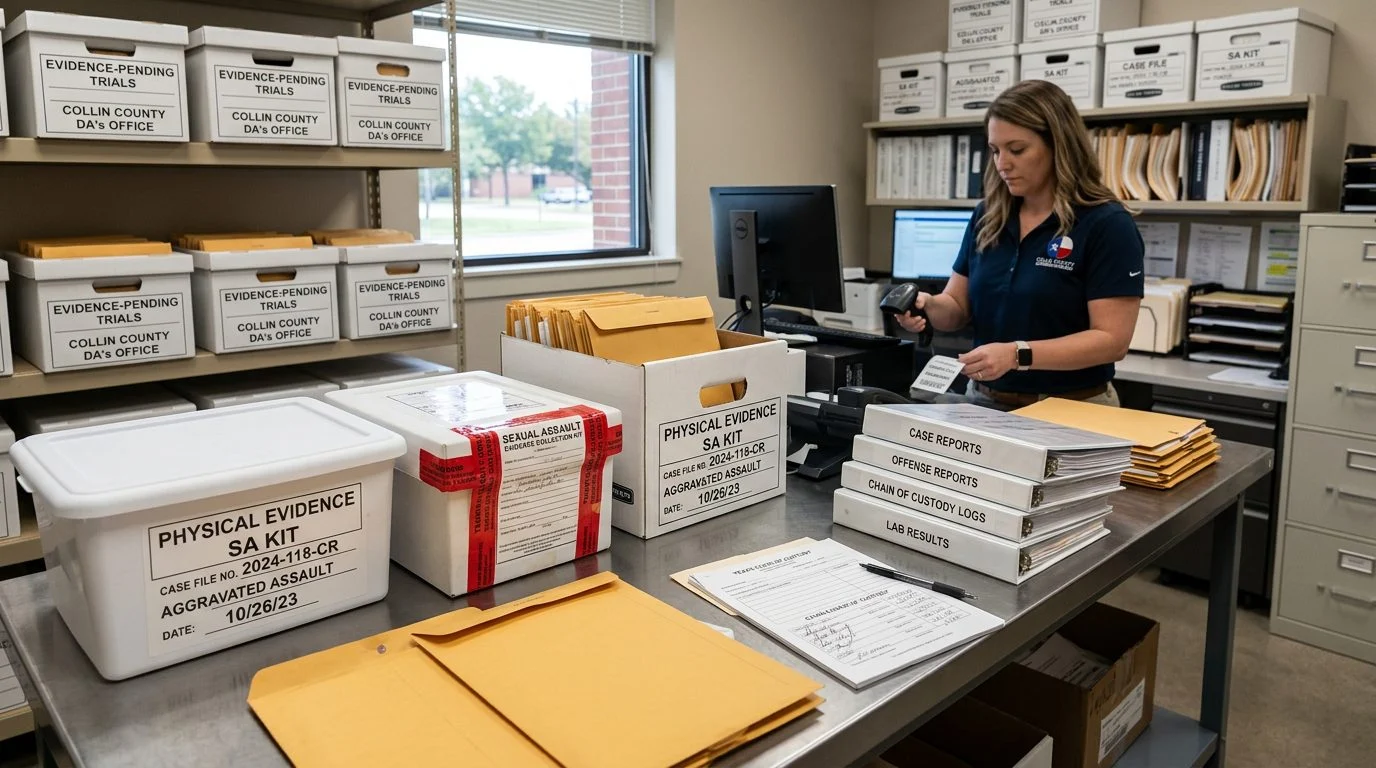
- Medical and forensic records. Sexual assault exam reports, DNA or lab results, and how the evidence was collected and tested.
- Video, photos and location data. Security footage, photographs, ride-share or phone location records, and witness accounts.
- Intoxication records. What was consumed, when, and what the records and witnesses show about each person’s condition.
Each item is matched to a specific part of the State’s case. Missing items get a plan to obtain them.
Consent Defenses and Where Their Limits Lie
A consent defense asks whether the evidence supports the claim that consent was missing. Several issues come up again and again.
- Prior relationship. A past or ongoing relationship does not by itself answer what happened in one specific event. The review looks at messages and conduct from that time.
- Genuine misunderstanding. When a misunderstanding about consent is raised, the review asks what words, signals and records would support or undercut it.
- Intoxication. Impairment is part of the statute’s consent test. The level and timing of intoxication are examined against the records.
- Evidence of a specific instance of a victim’s past sexual behavior is admissible only if the court follows the rule’s procedure and finds that the conditions it sets out are met. Specific instances need a court ruling first.
Limits matter too. Some facts strengthen the State’s case, and a review names those as plainly as the facts that help you.
How the Review Works, Step by Step
The review moves in five steps, and it starts with a free, confidential first consultation.
- Free first consultation. A free first consultation is confidential and carries no obligation to continue. We start with what you already know about the charge.
- Gather and organize. We collect charging papers, messages and digital records. Subject to the restrictions in Section 264.408, Family Code, and Article 39.15, on a timely defense request the State must produce offense reports and written or recorded statements, as soon as practicable, under Texas Code of Criminal Procedure art. 39.14. Under Riley v. California, police generally need a warrant to search a seized phone’s digital information.
- Build the timeline. We map the evidence against each part the State must prove.
- Explain your options. We explain what each statement, record and deadline means for your choices. Under Dickerson v. United States, whether a statement from custodial interrogation can be used depends on whether police gave the Miranda warnings.
- Decide next steps. Options may include investigation, motions, negotiation or trial preparation. Timing depends on the facts of your case and the court’s schedule.
Why Barbieri Law Firm for This Review
Barbieri Law Firm is an all-women criminal defense firm in Frisco, Texas. It defends people accused of sex crimes and assaultive offenses across Collin County, Dallas-Fort Worth and Texas.
The firm is led by Heather Barbieri. Our lawyers include Heather Barbieri and Carrie Thomas. Our team includes assistants and office staff who help keep records and deadlines organized.
Heather Jean Barbieri, Board Certified, Criminal Law — Texas Board of Legal Specialization.
The review is built from the exact words of the statute and the records in your case, not a generic overview. No lawyer can promise a particular outcome. Our goal is to explain your options honestly.
Not sure what your next step is?
Talk it through with our team — the first consultation is free, confidential, and carries no obligation.
Common Questions About Sexual Assault Charges in Texas
Here are short answers to the questions most readers ask first.
Can a sexual assault charge be dropped in Texas?
A prosecutor can dismiss a case only with the court’s permission and a written statement of reasons, under Texas Code of Criminal Procedure art. 32.02. No lawyer can promise a dismissal.
What is the charge for sexual assault in Texas?
Sexual assault under § 22.011 is generally a second-degree felony. Aggravated sexual assault under § 22.021 is a first-degree felony.
How do I defend against a sexual assault charge?
Defense starts with an evidence review of the consent questions and records in your case. Each defense depends on those facts.
Does intoxication change the analysis?
Intoxication is part of the statute’s consent test: under Section 22.021(c), an aggravated sexual assault is without consent if it occurs under the same circumstances listed in Section 22.011(b), which include the actor knowing that the other person is intoxicated or impaired by any substance to the extent that the other person is incapable of consenting. Its level and timing are examined against the records.
You may be deciding whether to talk with a lawyer about your own charge. Call (972) 424-1902 or send your case details through our contact page to schedule your consultation.
Attorney responsible for this site: Heather Barbieri, Barbieri Law Firm, Frisco, Texas.
What your first conversation with us includes
Confidential first consultation
Your initial consultation is free, confidential and carries no obligation to continue.
Evidence review
We review the police report, messages, records and any recordings to understand what the State has and what it does not.
Plain-language explanations
We explain the charge, the process and your options clearly, so you can make informed decisions about your case.
Defense for adults across Texas
Our team defends adults accused of sexual offenses in Collin County, Dallas-Fort Worth and across Texas.
Be careful before you talk about the allegation
Statements to police, a prosecutor, an employer or anyone online about the allegation can become evidence in your case. Speak with a defense lawyer before you answer questions or send messages about what happened.
How we approach an adult sexual assault case
Build the timeline
We map out the events, communications and locations so the facts are organized before any decisions are made.
Examine the consent evidence
We look closely at what was said, what was done and what the records show about the question of consent.
Test the State's proof
We evaluate the reports, forensic results and witness accounts and identify the gaps and weaknesses in the State's case.
Plan your next step
We explain your options and work with you on a strategy that fits your circumstances and your goals.
Talk with Heather Barbieri about your case
Related practice areas
Request a Consultation
Fill out the short form and we will take it from there.