

Plano, Texas | Child Sex Crimes Defense
Plano Child Sex Offense Arrest: What Happens Next, Step by Step
A plain-language guide to the stages of a child sex crimes case in Texas, and how Barbieri Law Firm reviews the evidence and explains your options from the first call.
By Heather Barbieri · Published October 20, 2026
A child sex offense arrest in Plano starts a series of court steps. Each step has its own purpose and its own decisions. This guide explains them in order, so families can follow what comes next. It describes the process only and does not predict how any case will end.
What happens step by step after someone is arrested in Plano for a child sex offense, from magistration and bond through indictment and arraignment?
After a Plano arrest, the person is booked, taken before a magistrate and given a bond decision. The case then goes to a grand jury for indictment, and the indictment leads to arraignment in district court. These steps usually come in this order, though timing varies from case to case.
The usual sequence looks like this:
- Arrest and booking.
- Magistration, the first court appearance.
- The bond decision.
- Prosecutor review and charging.
- Grand jury review and indictment.
- Arraignment in district court.
Many child sex offense charges are felonies, so this felony track often applies. The sections below explain each stage in plain terms, so you can match each one to what your family is going through.
If a family member was just arrested and a bond hearing is coming up, you don't have to work through these court dates alone, and we can talk it through with you. Talk it through with our team — the first consultation is free, confidential, and carries no obligation.
What happens at arrest and booking in Plano?
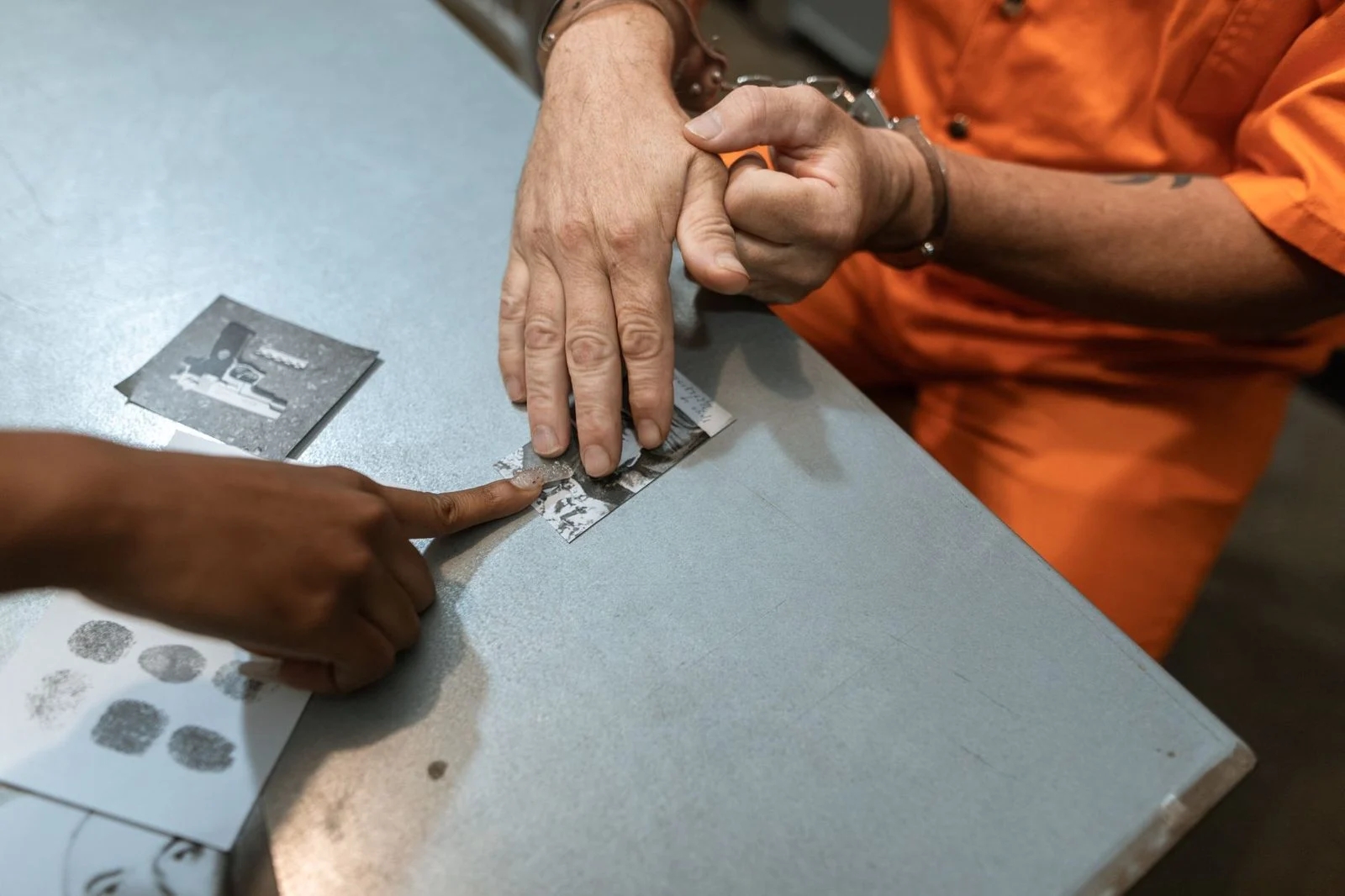
Booking is the intake process at the jail after an arrest. The arresting agency takes the person into custody. Jail staff then record identity details, fingerprints, photographs and personal property.
The booking record shows the charge and the arresting agency. Families often use it to learn where someone is being held.
Families often cannot speak with the person directly during this stage. Phone access and visits depend on the jail’s rules and can take time to arrange.
Arrest records can also stay accessible after a case ends. Those records can affect criminal-history checks for jobs and professional licenses.
What does magistration and bond decide first in a Plano case?
Magistration is the first court appearance. Early in a criminal case, questions about release conditions often come up, and a lawyer can help explain them. The magistrate may also decide whether to issue an emergency protective order.
Under Texas Code of Criminal Procedure art. 17.292, a magistrate may issue that order after an arrest for an offense involving family violence or an offense under Section 20A.02, 20A.03, 22.011, 22.012, 22.021, or 42.072, Penal Code. The list includes sexual assault and aggravated sexual assault. The order must carry bold or capital-letter warnings. Those warnings state that a violation may bring a fine of as much as $4,000, jail for as long as one year, or both.
Bond conditions carry real weight. Under Texas Penal Code § 25.07, breaking a bond condition or protective order in a sexual assault or abuse case can be a separate crime. That applies when the condition relates to the safety of a victim or the community.
Whether bond is set, and at what amount, depends on the facts of the case.
How does charging and the grand jury lead to an indictment?
After magistration, the prosecutor reviews the case and decides which charges to bring. The case then goes to a grand jury. Some cases are presented to a grand jury, and a lawyer can explain what that step means for a particular case.
Under Texas Code of Criminal Procedure art. 12.06, an indictment counts as “presented” once the grand jury has acted on it and the court has received it. That receipt is the formal point at which the indictment is in the court’s hands.
The time from arrest to indictment varies. The accused may stay in custody or on bond while the case is pending. Charging documents are part of the case record, and a lawyer can explain what they say.
What happens at arraignment and the first court settings?
Court appearances come at several stages, and a lawyer can explain what to expect at each one. The plea is a formal answer to the charge.
Later court settings usually cover pretrial matters. These can include scheduling, bond conditions and discovery. Reviewing the evidence is an important part of defense work, and a lawyer can go through it with the client.
Court dates can be reset, so families should write down every setting, time and courtroom. Missing a setting can create serious problems for the accused.
These steps start a longer pretrial process. None of them shows how the case will end.

When should a family talk with a Plano child sex crimes defense lawyer?
Talk with a defense lawyer early, because bond and protective-order questions arise at the first appearance. A lawyer can review the arrest paperwork, bond conditions and charging documents with the accused and family. The lawyer can also explain the options at each stage. No lawyer can say how a case will end.
If your family is facing this right now, you don’t have to work through these court dates alone. Call (972) 424-1902 or send your case details through our contact form to schedule a free, confidential initial consultation, with no obligation to continue.
How long does the child sex offense arrest process in Plano take?
The time varies from case to case. No fixed timeline applies to every case.
Does an arrest mean the person has been indicted?
No. An indictment is a separate step that comes after a grand jury acts.
Does a bond hearing decide guilt?
No. A bond decision concerns release conditions, not whether the accused is guilty.
Attorney responsible for this site: Heather Barbieri, Barbieri Law Firm, Frisco, Texas.
The Main Stages of a Case
1. Arrest and Booking
Police take the person into custody and record the arrest. Statements made at this stage can affect the case, so it is important to speak with a lawyer before answering questions.
2. Magistration and Bond
We review the bond terms with you and explain what they require.
3. Grand Jury Review
An arrest does not by itself mean an indictment has been issued.
4. Arraignment and Pretrial
The case proceeds through arraignment, discovery and pretrial motions. We review the evidence, including forensic and interview records, and explain your options at each step.
How Barbieri Law Firm Helps
Evidence Review
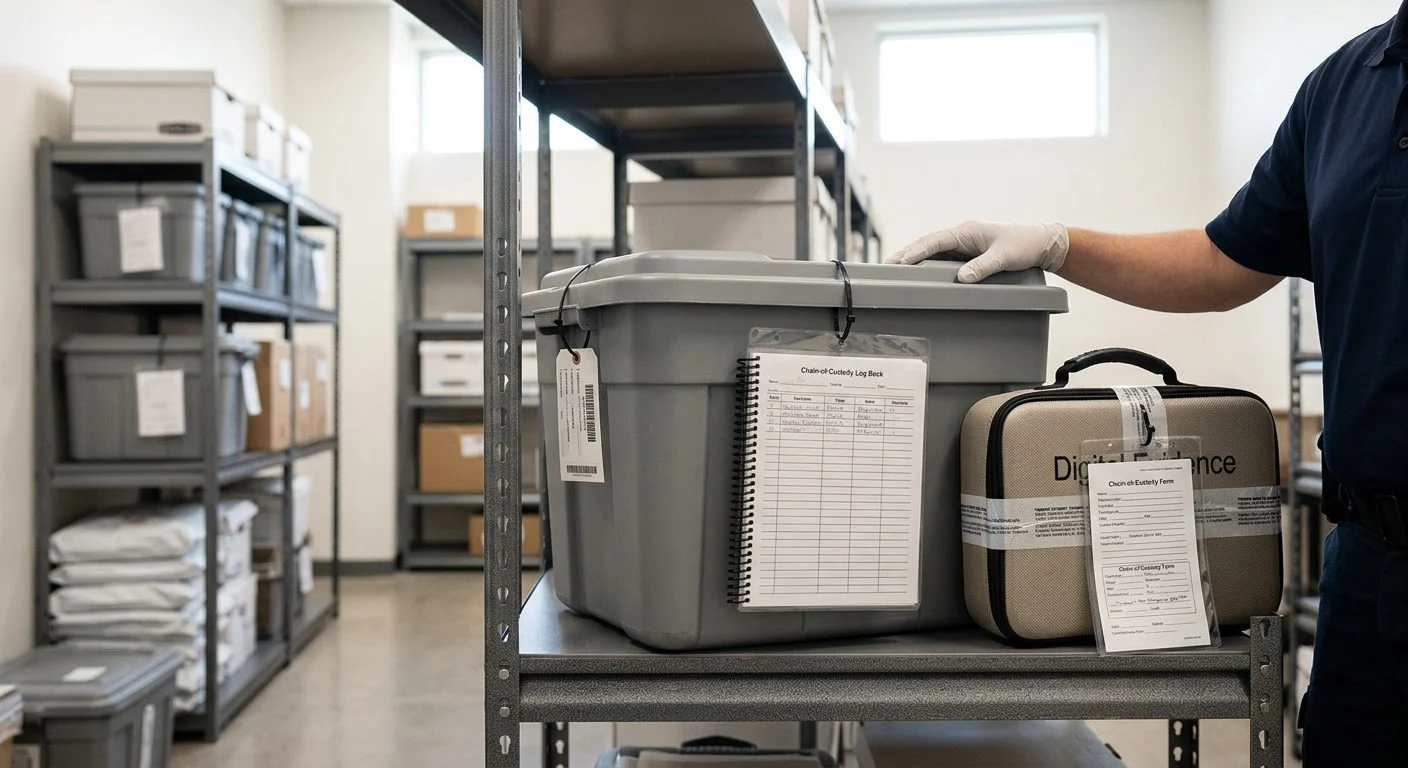
We review the police reports, interview recordings, forensic findings and other discovery to identify what the State must prove.
Defense-Focused Representation
Our firm focuses on defending professionals and individuals accused of sex crimes and assaultive offenses in Collin County, Dallas-Fort Worth and across Texas.
Clear Communication
We explain each stage of the process in plain language so you know what to expect and can make informed decisions.
Options Explained
We walk you through the possible paths in your case so you can decide how to proceed with a clear understanding of the risks.
Important: Protect Your Position Early
Do not discuss the allegations with police, family members, friends or anyone on social media before you have spoken with a criminal defense lawyer. Anything said or posted can become evidence.
Your First Consultation Is Free, Confidential and Without Obligation
Related practice areas
- Child Sexual Assault Arrest Midland County: Next Steps
Request a Consultation
Fill out the short form and we will take it from there.