


Sex Crimes Defense | Frisco, Texas
Understanding Texas Obscenity Laws, Explained Plainly
A plain-language guide to how Texas law defines obscenity, what the state must prove, and why the details of each case matter.
By Heather Barbieri · Published November 9, 2026
What are Texas obscenity laws? The short answer
So, what are Texas obscenity laws?
Obscenity is a narrow category. Not every sexually explicit image or video falls under it. The law reaches physical items and electronic files alike, which is why questions about phones, computers, and cloud accounts come up so often.
Many people are worried about a loved one’s device, account, or a notice they did not expect. If you are in that position, the first step is simple.
The exact charge depends on the conduct and the material involved. Two people can be investigated over similar images and still face different statutes. This guide covers the main Texas statutes in plain words, so you can see how the rules fit together.
If a notice or a device search has you worried about what it could mean, our team can talk it through with you in a free, confidential first consultation. Talk it through with our team — the first consultation is free, confidential, and carries no obligation.
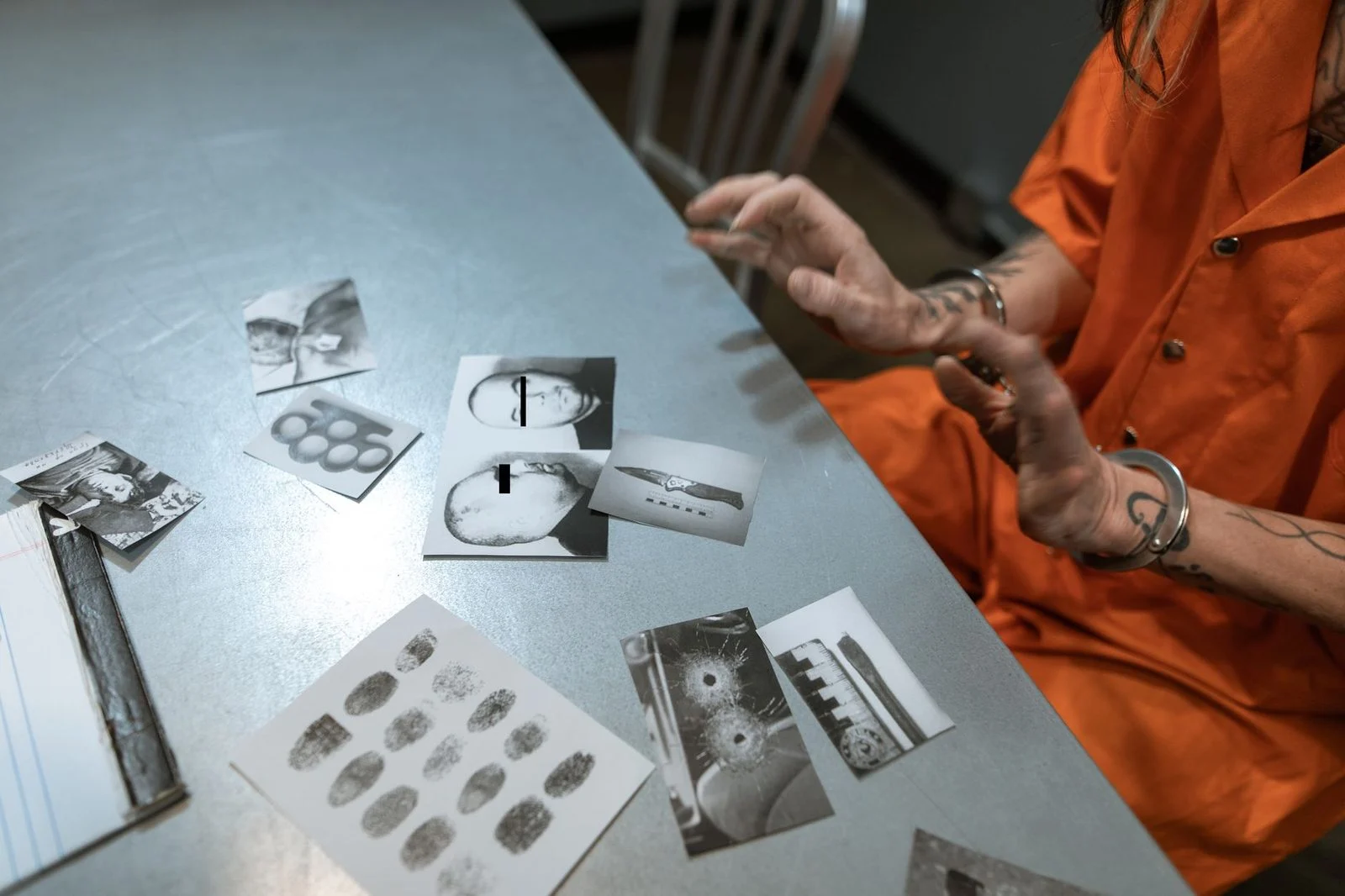
How does Texas define obscene material?
Whether a specific item is obscene is decided on the material itself and on what the person knew. Under Texas Penal Code § 43.23, the state must show the person acted “knowing its content and character.” That knowledge element is often central in a review.
The statute covers several acts. These include promoting, wholesale promoting, possessing with intent to promote, and producing or directing an obscene performance. Possession is covered only when it is paired with intent to promote. Possession alone is not the listed offense.
A person who promotes obscene material in the course of business is presumed to know its content and character. A person who possesses six or more obscene devices, or identical or similar obscene articles, is presumed to intend to promote them.
There is also an affirmative defense. An affirmative defense is a reason the person raises to answer the charge. Under the statute, it covers a bona fide medical, psychiatric, judicial, legislative, or law enforcement purpose. This is why a defense review looks at the whole item, not one moment.
Obscenity compared with pornography and other sex offenses
Sexually explicit material and obscene material are not the same thing under Texas law. Pornography is a general word for explicit material. Under the statute, the real question is whether a specific item is obscene and what the person knew about it. A general label does not decide the charge.
Indecent exposure is a different offense. Under Texas Penal Code § 21.08, a person commits an offense by exposing the anus or genitals with intent to arouse or gratify sexual desire. The person must be reckless about whether someone is present who will be offended or alarmed. The base offense is a Class B misdemeanor.
Public lewdness is different again. Under Texas Penal Code § 21.07, a person commits an offense by knowingly engaging in sexual intercourse, deviate sexual intercourse, or sexual contact in a public place. It also covers those acts elsewhere when the person is reckless about whether someone who will be offended or alarmed is present. It is a Class A misdemeanor, except that the offense is a felony of the third degree if the actor is civilly committed as a sexually violent predator under Chapter 841, Health and Safety Code.
These two offenses are about conduct in front of others. They are not about selling or sharing material. Child-related offenses are separate again, with their own elements and grades.
What online conduct do these statutes reach?
Sending sexually explicit material electronically can be a crime on its own. Possessing child material is covered by a separate statute. The two acts need separate review.
Under Texas Penal Code § 21.19, a person commits an offense by knowingly transmitting visual material by electronic means. The material must show sexual conduct, exposed intimate parts, or the covered genitals of a male person that are in a discernibly turgid state. It is an offense only if the recipient did not request it or give express consent. This offense is a Class C misdemeanor.
Possession of child material follows different rules. Under Texas Penal Code § 43.26, a person can commit an offense by intentionally or knowingly possessing, or accessing with intent to view, visual material showing a child in sexual conduct. Texas Penal Code § 43.26 provides that a person commits an offense if the person intentionally or knowingly possesses, or intentionally or knowingly accesses with intent to view, visual material that contains a visual depiction of a child engaging in sexual conduct (statute text). The intent-to-view requirement applies only to accessing, not to possession.
Minor-to-minor cases have their own rules. Under Texas Penal Code § 43.261, a minor who intentionally or knowingly promotes sexual visual material of a minor to another minor by electronic means can be charged, if the actor produced the visual material or knows that another minor produced the visual material. An affirmative defense applies when the material depicts only the two minors and was passed only between them, and either the minors are not more than two years apart in age and had a dating relationship at the time of the offense, or the other minor was the actor’s spouse at the time of the offense.
Because the statute says “by electronic means,” a message or upload can be the conduct the state alleges.
How are penalties and charge levels set?
Penalty levels depend on the statute, the conduct, and the material shown. The grade of a charge also changes the range of outcomes a person faces. That is why reading the cited subsection matters.
Under Texas Penal Code § 43.23, wholesale promotion of obscene material, or possession with intent to wholesale promote it, is a state jail felony unless Subsection (h) applies. Except as provided by Subsection (h), promoting or possessing with intent to promote obscene material is a Class A misdemeanor under § 43.23(d); under Subsection (h), the offense is a second-degree felony if the material depicts a child younger than 18, an image virtually indistinguishable from such a child, or an identifiable child. Texas Penal Code § 43.23 increases the punishment for an offense under Subsection (a) or (c) to the punishment for a felony of the second degree when it is shown on the trial of the offense that the obscene material that is the subject of the offense visually depicts activities described by Section 43.21(a)(1)(B) engaged in by (1) a child younger than 18 years of age at the time the image of the child was made, (2) an image that to a reasonable person would be virtually indistinguishable from the image of a child younger than 18 years of age, or (3) an image created, adapted, or modified to be the image of an identifiable child.
The statute also says the state does not have to prove the actual identity of an identifiable child when it seeks the increase based on an image created, adapted, or modified to be the image of an identifiable child. That point matters in how the state builds its case.
Child sexual performance has its own grades. Texas Penal Code § 43.25 makes it an offense for a person, knowing the character and content thereof, to employ, authorize, or induce a child younger than 18 years of age to engage in sexual conduct or a sexual performance. That offense is a felony of the second degree, or a felony of the first degree if the victim is younger than 14 years of age at the time the offense is committed, regardless of whether the actor knows the victim’s age. It is a first-degree felony if the child is younger than 14.
Under Texas Penal Code § 12.46, a conviction used to enhance a penalty can be used again later for that purpose. Indecent exposure also rises after prior convictions under Texas Penal Code § 21.08.
How are obscenity and online sex crime cases investigated?
Many of these cases begin with a seized device, an online account, or a report from an online service. The warrant behind the search is part of the review.
Federal law also plays a role.
A defense review usually asks a set of plain questions. Was the search lawful? Who had access to the device or account? What does the material show, and is any person identifiable as a child? What did the person know about its content? Which statute and subsection are charged?
Messages, saved files, and account records are common types of evidence. So the scope of a warrant matters. Our lawyers, including Heather Barbieri and Carrie Thomas, look at these questions in the case file and explain each option in plain language.
Not sure what your next step is?
Talk it through with our team — the first consultation is free, confidential, and carries no obligation.
Frequently asked questions about Texas obscenity law
Short answers to the most common questions are below.
Is porn legal in Texas?
Obscenity turns on the statute’s elements, including what the person knew about the content.
Does the statute of limitations matter?
Yes. Under Texas Penal Code § 12.02, offenses are designated as felonies or misdemeanors. Under Code of Criminal Procedure Art. 12.02(a), an indictment or information for a Class A or Class B misdemeanor, or a complaint or information for a Class C misdemeanor, may be presented within two years from the date the offense was committed. Under Art. 12.02(b), an assault under Penal Code § 22.01 that is punishable as a misdemeanor may be presented within three years if it was committed against a person whose relationship to or association with the defendant is described in Family Code § 71.0021(b), 71.003, or 71.005. Art. 12.02(c) sets a three-year period for certain failure-to-report child abuse or neglect offenses, measured from the date the offense was discovered. These periods do not address felony charges, which follow separate limitations rules.
Can someone be charged for material on another person’s device?
Liability turns on access, knowledge, and intent.
Do these charges affect public records?
Some offenses trigger sex offender registration. The Texas Department of Public Safety describes its registration duties and public registry access.
If you’re researching this for someone you care about
If you are reading this for a family member, start by gathering the facts in the notice. A knock on the door, a call from police, or a notice that a device was seized can leave a whole household uncertain. Those first days are hard, and details get lost quickly.
Write down the exact statute named, the date on any notice, and what was taken or requested. Keep copies of anything you were given.
If your loved one is a student or a non-citizen, share that early. Questions about school or immigration status can be part of the conversation from the start. A lawyer can review the notice and walk through the options with you.
You don’t have to sort out this notice alone. Our firm offers a free initial consultation that is confidential and comes with no obligation to continue. Call (972) 424-1902 or send your case details through our contact form.
Attorney responsible for this site: Heather Barbieri, Barbieri Law Firm, Frisco, Texas.
How we approach these cases
Reviewing the evidence
We review the charging documents, the material at issue, and how it was obtained, then explain what those facts may mean for your case.
Defending people accused of sex and online offenses
Barbieri Law Firm focuses on sex crimes and online sex crimes defense across Collin County, Dallas-Fort Worth and Texas.
A confidential first conversation
Our free initial consultation is confidential and carries no obligation to continue.
Every obscenity or online sex crimes case turns on its own facts. This guide explains the law in general terms and is not legal advice about your situation.
Questions this guide answers
What the statute covers
How Texas law describes material that may be considered obscene, and the terms the state must address.
Why the elements matter
Why the state's proof of each element, including what a person knew about the content, can change how a case is handled.
Online and digital material
How obscenity and related sex offense allegations can arise from messages, images and files shared online.
Your next step
Contact Barbieri Law Firm for a free, confidential consultation to discuss the facts of your situation.
Have questions about an obscenity or online sex crimes charge? Speak with our team in confidence.
Related practice areas
- Online Sex Crimes Defense Lawyer
- What is the statute of limitations on a sex crime in Texas?
- Search Warrant and Phone Evidence Challenges in Texas Online Sex Crime Cases
Request a Consultation
Fill out the short form and we will take it from there.