


Online Sex Crimes Defense | Frisco, Texas
Your Phone Was Seized in an Online Sex Crime Case. Here Is What Comes Next.
Police seize phones and computers for many reasons. We explain what a seizure means in Texas, what happens to the device while the case is open, and how to request its return.
By Heather Barbieri · Published October 19, 2026
When police hold a phone or computer, you can ask for it back. Whether it comes back quickly depends on whether the state still needs it as evidence. This guide explains what a seizure means in Texas, what happens to the device while the case is open, and how to make a request for its return.
What a Seized Phone or Computer Usually Means in an Online Sex Crime Case
A seized phone or computer usually means investigators think it may hold evidence. It does not mean a charge has been filed.
Police may take a phone, laptop or tablet at different points. They may take one before any charge, during an arrest, or after a search of a home or vehicle. Some online sex crime investigations begin with a report. The National Center for Missing & Exploited Children’s CyberTipline reporting system reviews reports of suspected online child exploitation and refers them to law enforcement. Federal Internet Crimes Against Children program task forces also investigate technology-facilitated child sexual exploitation, including online enticement.
Two situations can look alike but differ. A device held as evidence is usually tied to a specific charge and may be sent for forensic examination. A device collected for a short review may come back sooner. Look for any property receipt you were given. It names the items taken and the agency that took them.
Investigators often keep a device to preserve its data. That process copies the data so the original is not changed. A seizure alone does not mean a charge has been filed.
If police are holding the phone or laptop you need for work or school, we can talk through your options in a free, confidential consultation. Talk it through with our team — the first consultation is free, confidential, and carries no obligation.

What Texas Law Says About Devices in These Cases
Texas makes several online and digital offenses a crime. Reviewing the specific charge filed in a case is a useful first step.
Online solicitation of a minor is covered by Texas Penal Code § 33.021. The punishment rises to the next higher category when the conduct happens during regular public or private primary or secondary school hours and the actor knew or reasonably should have known the minor was enrolled in a primary or secondary school.
Possession or promotion of child pornography is covered by Texas Penal Code § 43.26. Under Texas Penal Code § 43.26, the grade can depend on several factors, including the number of visual depictions, the child’s age, the actor’s status, whether the conduct involved § 22.011(a)(2), and prior convictions. The statute also reaches computer-generated material, including material made with artificial intelligence, such as material created or modified using the image of a real child younger than 18.
Sexual performance by a child is covered by Texas Penal Code § 43.25. The statute defines a performance broadly, as any visual representation that can be exhibited before an audience.
Deep fake media is covered by Texas Penal Code § 21.165. A convicted defendant must make restitution to the victim.
Unlawful disclosure of intimate visual material is covered by Texas Penal Code § 21.16. Invasive visual recording is covered by Texas Penal Code § 21.15. Both are state jail felonies. Under Texas Penal Code § 21.19, a person commits an offense by knowingly sending, by electronic means, visual material that depicts a person engaging in sexual conduct or with intimate parts exposed (or covered male genitals in a discernibly turgid state), when it is not sent at the recipient’s request or with the recipient’s express consent; the offense is classified as a Class C misdemeanor.
If bond conditions apply, Texas Penal Code § 25.07 covers knowingly or intentionally violating a bond condition in a family violence, sexual assault or abuse, indecent assault, stalking, or trafficking case. The condition must relate to the safety of a victim or the community.
What Happens to a Seized Device While the Case Is Pending
A seized device can stay in custody while the case is open, especially when the state treats it as evidence.
A forensic examination may copy or pull data from the device. That work takes time. The device may stay with police or the prosecutor until it is finished.
The device and its data are separate questions. Getting the physical phone back is one request. Getting the data back is another. Each needs its own answer.
A device may come back at a later stage, once the state no longer needs it as evidence. Ask your lawyer to check where the case stands on the device. Ask for updates in writing so you keep a record.
How to Ask for a Phone or Computer Back in Texas
You can ask for a seized phone or computer back by making a written request. Send it to the agency that holds the device and to the prosecutor on the case.
Start with the agency. Name the device, its make and model, and any property receipt number. Ask whether the device is still needed as evidence.
Next, ask the prosecutor whether a copy of the data would meet the state’s needs. This question can matter most for a phone or laptop, because the physical device may not be needed for the data.
If the request stalls or is refused, a lawyer can raise it with the court handling the criminal case. The court decides contested requests.
Gather proof of ownership. Purchase receipts, account records and bills can help. Do not send the police or prosecutor anything about the case itself without your lawyer reviewing it first.
Getting a Work Device, School Device or Shared Family Computer Back
A laptop or tablet used for a job, business or schoolwork calls for a request built around that need.
A work laptop can raise different questions than a personal phone. An employer letter can explain the job need and list the work files stored on the device. Keep any confidential client information out of the request.
A student’s device may need a school enrollment record or a list of course files. These records show why the device matters for schoolwork.
A shared family computer requires more proof. Show which person owns it and which accounts are used on it. The hardware and the accounts can be handled as separate issues.
Your lawyer should review your bond conditions before any request. That way the request does not create a new problem.
Why Your Lawyer Reviews the Search, Not Just the Return Request
A defense lawyer reviews how the device was taken and what was searched. That review goes beyond whether the device can be returned.
The review covers the items on the property receipt, when the device was seized, and who had it. It also covers any extraction report and what the state says it was looking for.
These facts affect the defense of the charge itself, not only the request for the device. A lawyer also checks whether the charge fits the device evidence.
No lawyer can say for sure how a court will rule on a search. Each case turns on its own facts and records.
Not sure what your next step is?
Talk it through with our team — the first consultation is free, confidential, and carries no obligation.
Protecting Your Position While Your Device Is Held
While police hold your device, don’t delete files, reset it or change its passwords.
Changing data can create new questions in the case, even when the change seems harmless. Don’t remove apps or sign out of cloud accounts either.
Let your lawyer handle questions about the device. You can tell officers you want to speak with an attorney before you answer questions.
Keep a written list of what was taken. Include the agency and officer names, the date of the seizure, and any receipt or property form you were given. Bring that list to your first consultation.
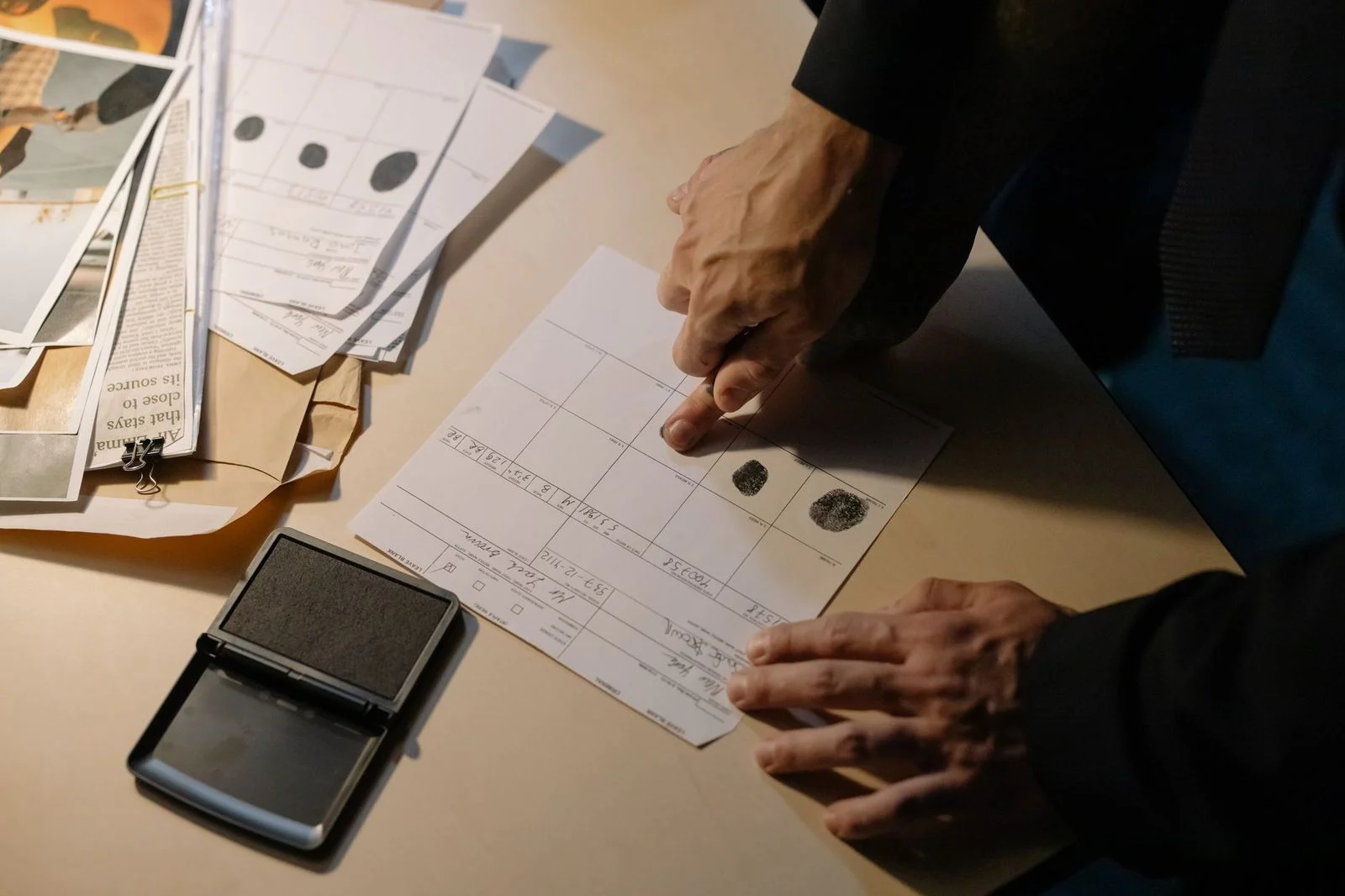
Talk With Barbieri Law Firm About Your Seized Phone or Computer
Barbieri Law Firm reviews device seizures in online sex crime cases for clients in Frisco, Collin County and the Dallas-Fort Worth area.
If police are holding the phone or laptop you need for work or school, you may be weighing whether to ask for it back or challenge how it was searched. Heather Jean Barbieri leads the firm, an all-women criminal defense practice in Frisco, Texas that defends people accused of online sex crimes and other serious offenses.
Call (972) 424-1902 or send your case details through the contact page. The first consultation is free, confidential and carries no obligation to continue.
Quick Answers
Can police keep my phone while my case is open? A phone can stay in custody while the state needs it as evidence. A written request can ask whether that is still true.
Can I get a work laptop back during a Texas case? A work laptop can support a separate request. Keep employer letters and records that show the job need.
What should I do first? Write down what was taken, by which agency and officer, and on what date. Then leave the device and its accounts unchanged.
Attorney responsible for this site: Heather Barbieri, Barbieri Law Firm, Frisco, Texas.
How Our Firm Approaches a Seized Device Case
We review the seizure
We look at what was taken, how it was taken and what the paperwork says, so you understand the basis for the seizure.
We protect your rights while the case is open
We help you decide what to say to investigators and how to respond to requests about your device and your accounts.
We track the status of your device
We follow up with the investigating agency about whether the device is still needed and what a return request requires.
A focused practice with a dedicated lawyer
Heather Jean Barbieri, Board Certified, Criminal Law — Texas Board of Legal Specialization, leads our all-women Frisco firm, which defends sex crimes and assaultive offenses across Collin County, Dallas-Fort Worth and Texas.
Talk to a Lawyer Before You Answer Questions
Investigators may ask you about your phone, computer or online accounts. Speaking with a lawyer before you answer these questions helps you understand how your statements may be used.
Questions to Bring to Your Consultation
What was seized, and why?
Ask what device was taken, whether it was a phone, laptop or tablet, and what the investigators believe it may contain.
Is a charge filed?
A seizure does not mean a charge has been filed. Ask about the current status of the case and any notice you have received.
What is the request process?
Ask how a request for return is made, who must receive it, and what supporting information the investigating agency may need.
What should I avoid doing?
Ask how to handle your accounts, your devices and any contact with others involved while the investigation continues.
Get Clear Answers About Your Seized Device. Start With a Free Consultation.
Related practice areas
- Online Sex Crimes Defense Lawyer | Collin County & Texas
- Online Sex Crimes Defense Lawyer in Collin County
- Sex Crimes Defense Lawyer in Prosper
- Online Sex Crimes Defense Lawyer in McKinney
Request a Consultation
Fill out the short form and we will take it from there.