

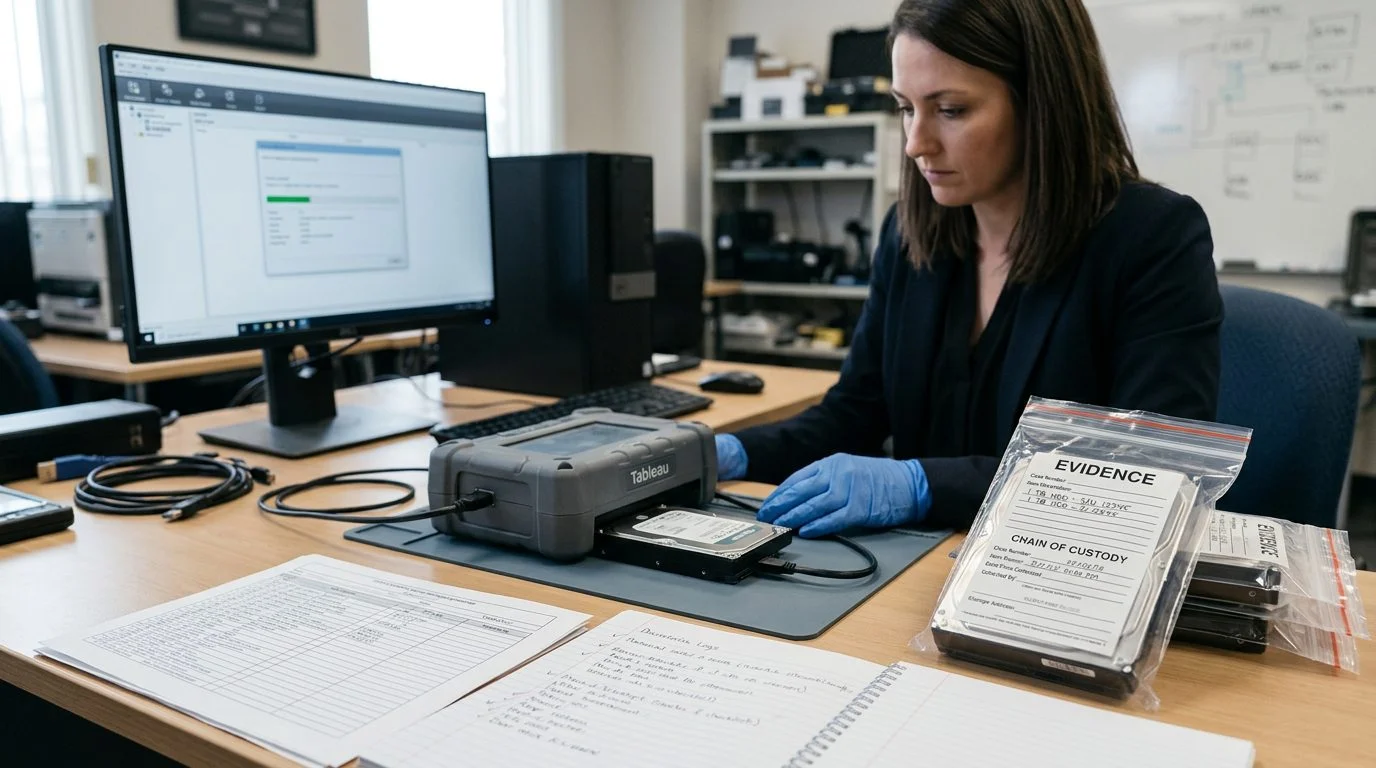
Online Sex Crimes Defense | Frisco, Texas
Phone Evidence in an Online Sex Crime Case Needs a Careful Defense
Texts, images, app data and account records can shape a case in ways most people never expect. Barbieri Law Firm takes the time to find out what the State has, and what it does not.
Serving Clients in Collin County and Beyond
Free
First consultation, confidential and with no obligation to continue
Texas
Defending clients in Collin County, Dallas-Fort Worth and across Texas
By Heather Barbieri · Published November 10, 2026
Police have your phone. Or they want your passcode, or access to your email, cloud account or social apps. In an online sex crime case, that moment can feel like the case is already decided. It is not.
Here is the short answer: a defense lawyer checks how your devices were taken, what the warrant allowed, how the data was pulled, and what the messages and timestamps actually show. Each step can be questioned.
Your Phone or Computer Was Seized: What It Means Now
The first days after a seizure are about learning what was taken, what was requested and what no one has reviewed yet. Devices are often taken during an arrest, a search of a home or car, or after officers ask you to unlock a phone or share a login.
Write down what you remember: what officers took, what they asked you and when. These details help a lawyer request the right records.
Many people ask whether police can keep the phone. The answer turns on the warrant and how the device was seized, so ask a lawyer to review the paperwork.
Your phone may also hold messages tied to a divorce, custody fight or CPS case. Those records can overlap with the criminal case, so they should be reviewed together.
A free, confidential initial consultation is available, with no obligation to continue.
If police are holding your phone or asking for your passcode, you don't have to sort out the next step alone. Call (972) 424-1902 or send your case details for a free, confidential consultation. Talk it through with our team — the first consultation is free, confidential, and carries no obligation.
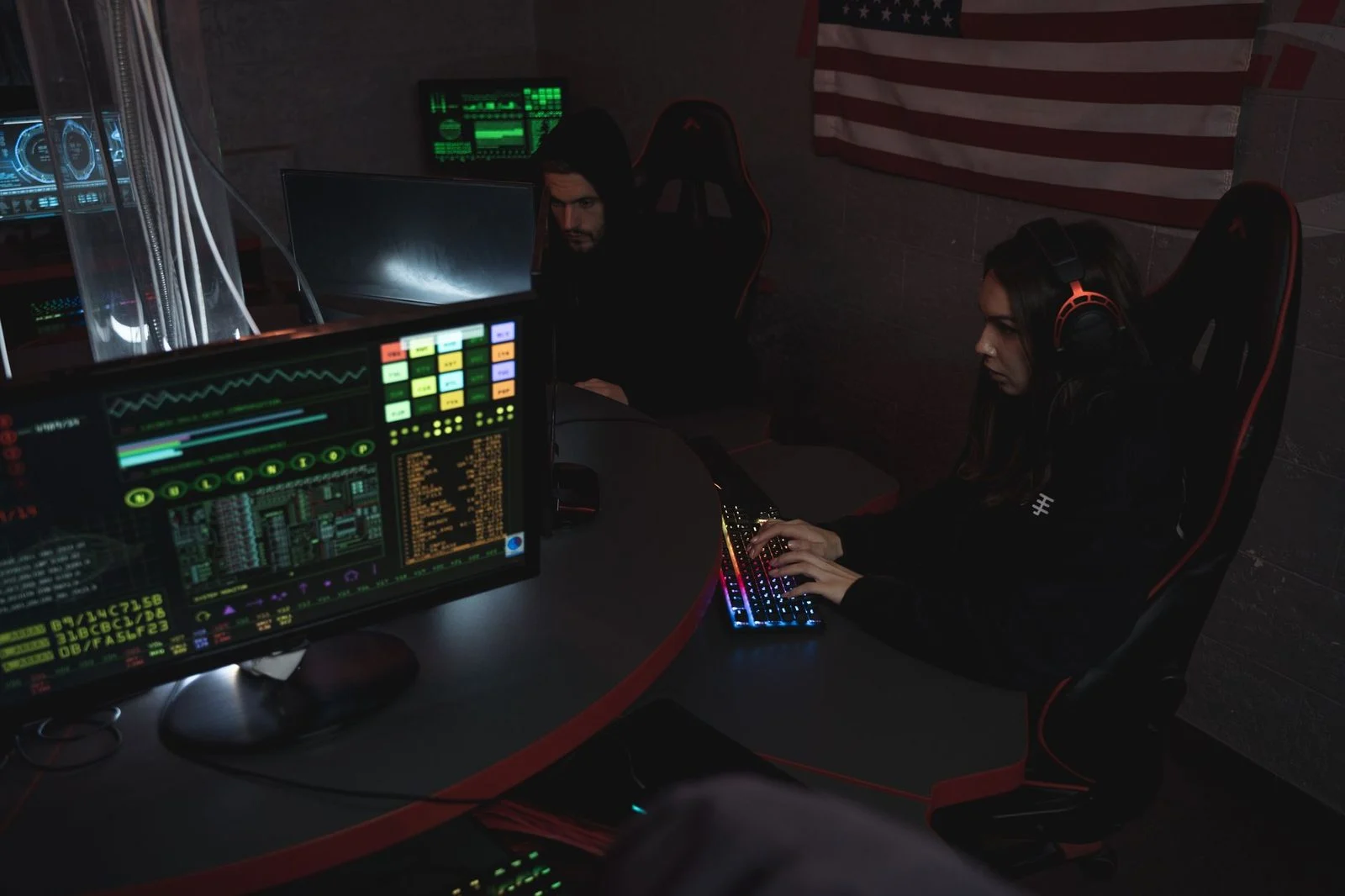
What Phone and Device Evidence Usually Includes in Texas Online Sex Crime Cases
Usually it includes messages, image and video files, and data showing when and how those files were created, sent or viewed. Here is what that looks like in practice:
- Chats and messages: texts and messages from dating apps, social apps and email.
- Image and video files: Texas treats a file in any digital format that shows an image on a screen as visual material (Texas Penal Code § 43.26).
- Metadata: timestamps, device and account identifiers, IP records and location data. These can show when and where activity may have happened.
- Cloud accounts and backups: synced data can exist off the physical phone.
- Undercover chat transcripts: records from a sting or investigator account, and how they were made and saved.
- Recovered or deleted files: material pulled back from storage, and the forensic report describing how.
Texas law also reaches computer-made images. A depiction of a child can include an image of a real child used to create or change visual material, including material made with artificial intelligence (§ 43.26).
Automatic settings can remove data over time. The Scientific Working Group on Digital Evidence states that digital data may become unrecoverable through automated processes. Prompt acquisition helps preserve messages and account data, which is why early requests matter.
Warrants, Seizures and Requests for Your Passcode
A lawyer first checks whether a warrant existed and whether the search stayed within it. Whether a search stayed within a warrant’s limits is one of the questions we would review with you in a free, confidential consultation.
A warrant-based search follows a judge’s order. A request to unlock a phone or share an account is different, because you are being asked to agree. Whether you must answer a particular request depends on the facts, so talk with a lawyer before you respond.
Speak with a lawyer before you answer police questions or share passwords.
Sting cases raise a separate question. Texas law says entrapment is a defense when a law enforcement agent induces the conduct through persuasion or other means likely to cause someone to commit the offense. Merely giving a person an opportunity to offend is not entrapment (Texas Penal Code § 8.06). In a sting chat, we look at who started the conversation, what the agent said and how the topic was pushed.
When a search looks unlawful, a motion asks the judge to rule on the evidence. We review the warrant, its supporting affidavit and the extraction to see where the search went past its limits.
How We Work Through Your Device Evidence
Our process starts with the charge and ends with a plan you understand. Here are the steps:
- Free consultation. You share the charge, the arrest details and any paperwork you have. The consultation is confidential, with no obligation to continue.
- Records request. We ask for the warrant, the affidavit, extraction reports and discovery. We list what is still missing.
- Device review. We check how data was collected, whether timestamps line up and whether anything was altered. We will discuss whether an independent review is needed.
- Charge review. We review the charge and what the prosecution must prove. Under Texas Penal Code § 33.021, soliciting a minor to meet for sexual contact under subsection (c) is a second-degree felony, while communicating in a sexually explicit manner with a minor or distributing sexually explicit material to a minor under subsection (b) is a third-degree felony, or a second-degree felony if the minor is younger than 14 or is someone the actor believes to be younger than 14 at the time of the offense. A school-hours finding can raise the punishment to the next higher category of offense if it is shown at trial that the actor committed the offense during regular public or private primary or secondary school hours and knew or reasonably should have known that the minor was enrolled in such a school at the time of the offense. A first-degree felony carries life or 5 to 99 years in prison and a fine of up to $10,000 (§ 12.32).
- Options. We explain possible motions, negotiation and trial preparation in plain terms.
Timelines vary with the court calendar and the amount of digital evidence. We explain the schedule as the case develops.
Why Barbieri Law Firm for an Online Sex Crime Defense
Barbieri Law Firm is an all-women criminal defense firm based in Frisco, Texas. It defends people accused of sex crimes and assaultive offenses in Collin County, Dallas-Fort Worth and across Texas.
- Heather Jean Barbieri, Board Certified, Criminal Law — Texas Board of Legal Specialization.
- Our lawyers include Heather Barbieri and Carrie Thomas.
- Our support staff helps with scheduling and client communication.
- Practice areas include online sex crimes, child sex crimes, aggravated sexual assault, aggravated assault and family violence.
- No lawyer can promise how a case will end. We explain what the evidence shows and the options it leaves open.
Questions Men Ask About Phone Evidence and Online Sex Crime Charges
Below are short answers to common questions about phone evidence and these charges.
Can police keep my phone after an arrest?
Retention depends on the warrant and how the device was seized. A lawyer can request the paperwork and reports.
Should I give police my passcode?
Talk to a lawyer before you respond to any request for a passcode or account access.
What if the messages were deleted?
The forensic report should show what was recovered and how it was recovered. The method matters when the evidence is tested.
Does a divorce or custody case affect the criminal case?
The two can overlap because both may draw on the same messages and records. They should be coordinated.
Is my consultation confidential?
Yes. The initial consultation is free, confidential and carries no obligation to continue.
Can you tell me how my case will end?
No lawyer can promise an outcome. We review the evidence and explain your options.
Not sure what your next step is?
Talk it through with our team — the first consultation is free, confidential, and carries no obligation.

Send Us Your Case Details or Call Today
If police are holding your phone and your charge is still open, the evidence is where your case will be tested. The records behind a phone search can be reviewed step by step.
Send us your case details or call (972) 424-1902 for a free, confidential consultation with no obligation to continue.
Attorney responsible for this site: Heather Barbieri, Barbieri Law Firm, Frisco, Texas.
How We Approach Phone Evidence
Review the warrant and the paperwork
We examine the warrant, extraction reports and police file to see how a device was seized, searched and documented.
Protect yourself from the start
Before you answer questions or hand over a passcode, talk with a lawyer about what you are being asked to do.
Test the digital evidence
Electronic records can be incomplete, misread or taken out of context. We look at timestamps, account access and who actually used the phone.
Explain your options in plain language
We walk you through the charges, the evidence and the choices in front of you, so you can decide with clear information.
Before You Talk to Anyone
Do not delete messages, photos, apps or accounts, and do not give a passcode or login to police or investigators without first speaking with a lawyer. Deleting material can create new problems.
Common Questions About Phone Evidence
Can police keep my phone after an arrest?
Retention depends on the warrant and how the device was seized. A lawyer can request the paperwork and reports.
Should I give police my passcode?
Talk to a lawyer before you respond to any request for a passcode or account access.
What if the messages were deleted?
Deleted content can still come up in an investigation. Share the full picture with your lawyer early so it can be addressed properly.
Send Us Your Case Details or Schedule a Free Consultation
Related practice areas
Request a Consultation
Fill out the short form and we will take it from there.