


Online Sex Crimes Defense | Frisco, Texas
What Prosecutors Use in Texas Online Sex Crime Cases
Chats, devices, account records and sting transcripts each tell part of the story. Knowing how they are gathered is the first step in testing them.
By Heather Barbieri · Published November 9, 2026
If you have been accused of an online sex crime, you probably want to know what the state actually has. Digital evidence is often at the center of these cases.
Prosecutors in Texas usually rely on three kinds of digital evidence: message records, data pulled from phones and computers, and records of undercover or sting conversations. They often use them together. This page explains each kind and the questions a defense lawyer asks about it.
Why the evidence matters when you have been accused
Knowing the types of digital evidence is a sensible first step, even before you decide on a lawyer.
Many of these accusations surface during a divorce, a custody fight or a CPS case. If you are in that situation, those matters can run at the same time as your criminal case, so you may have several threads to follow at once.
For you, a practical question comes first: what does the state have, and what is still unclear? Digital records often answer part of that question. The rest comes from reading them closely.
Texas law also shapes the review. Under Texas Penal Code § 33.021, it is not a defense under Subsection (c) that the meeting did not occur. That is why the message record is central to the review.
This page describes kinds of evidence and the questions a defense lawyer asks. It does not predict how any case will turn out. Every case turns on its own facts.
If someone you love has been accused, you don't have to sort through the digital evidence alone; our team can talk it through with you in a free, confidential consultation. Talk it through with our team — the first consultation is free, confidential, and carries no obligation.
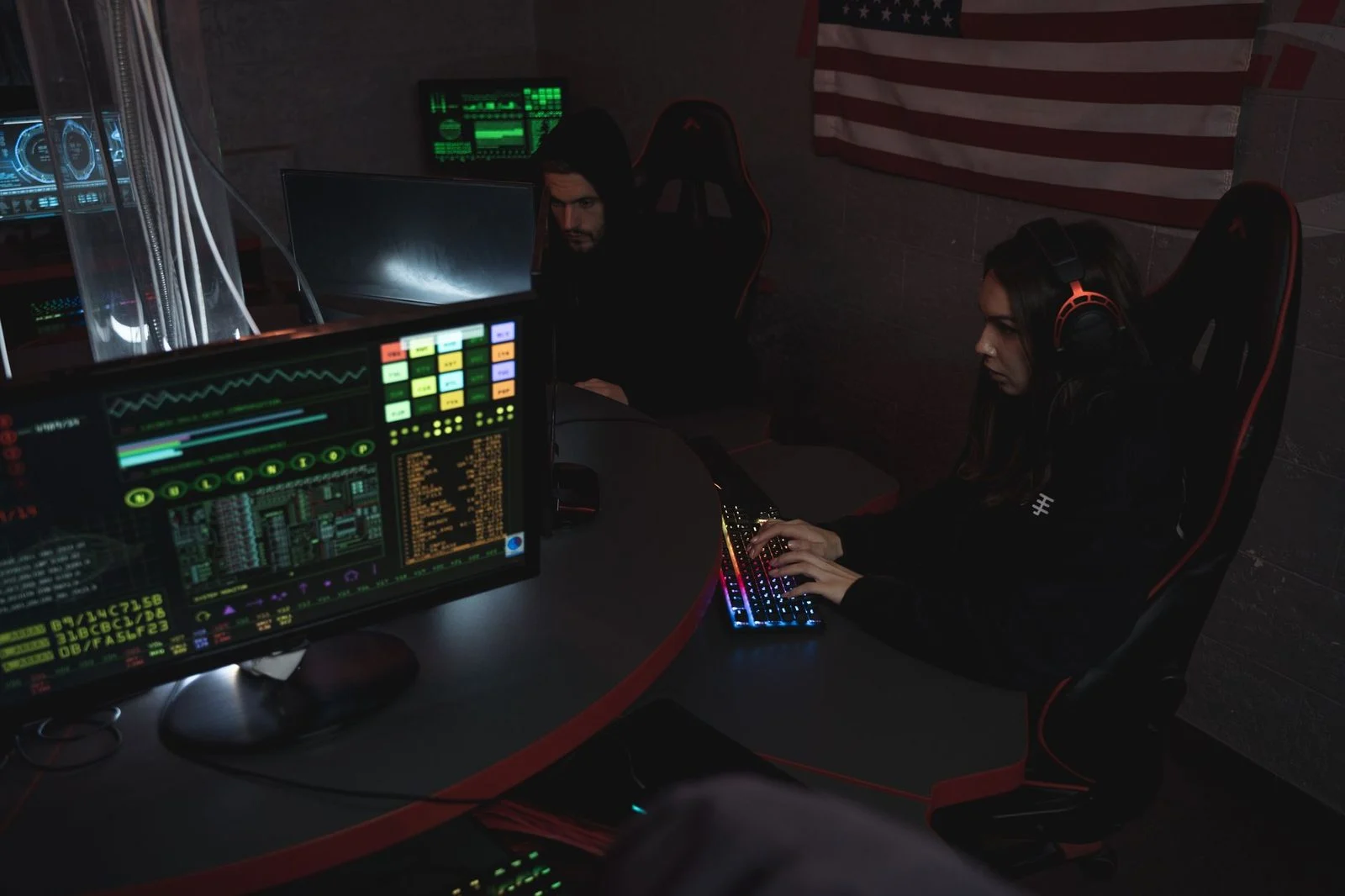
What digital evidence do prosecutors usually rely on in Texas online sex crime cases?
Prosecutors usually rely on message records, device data taken under a search warrant, and records from undercover or sting contacts, often in combination. Each kind answers a different question: what was said, what a device held, and how the contact started.
Under Texas Penal Code § 43.26, visual material includes a file in any digital format that displays an image on a computer or video screen. Each category is examined separately, and a case may use all of them.
Age is a question that runs through all three kinds. Under Texas Penal Code § 33.021, a minor includes an individual the actor believes to be younger than 17. So what the accused person believed about age is part of the statute’s own text.
The National Center for Missing & Exploited Children describes what online enticement involves and the grooming tactics that often go with it. Reading the messages closely is how a lawyer checks whether those patterns appear in this exchange. The next sections take each kind in turn.
How chat logs and messages are presented in Texas online sex crime cases
Chat logs usually reach a case as a full export, as selected screenshots, or as a summary written by an investigator. Each format can be read differently.
A full export shows the whole exchange. Screenshots show only what someone chose to capture, and they can be cropped. A summary reflects choices about what to include.
Context matters. A single line can look different once the lines before and after it are read. A defense review checks the whole exchange, not only the quoted text.
A defense lawyer usually asks:
- Who controlled the account, and did anyone else have access?
- Is the export complete, or are lines missing before or after the quoted text?
- Do the time stamps, usernames and platform details match?
A message on a screen does not by itself show who typed it. It also does not show what the sender believed about the other person’s age. A lawyer examines both questions separately.
How device forensics, search warrants and data extractions are examined
Device evidence usually comes from a search warrant and a forensic extraction report. The report copies data from a phone, computer or tablet.
Investigators seize the device, and then an examiner runs the extraction. The report can list messages, images, browsing history and files.
A defense lawyer often compares the extraction report against the written terms of the warrant. Defense review points often include:
- The scope of the warrant, meaning what the search was allowed to reach.
- How the device was seized and stored.
- Which tool and version performed the extraction.
- What the report shows about deleted, recovered or cached files.
File dates, metadata and access logs can show when something was created or opened. They can also show when a device was last connected or synced, which matters for timing questions. They can show that a shared device or account was used by more than one person. That raises a separate question about who did what.
How undercover and sting operations are reviewed in Texas online sex crime investigations
A sting case rests on recorded conversations between the accused person and an investigator using a decoy profile. The defense reviews how that contact started.
Decoy profiles are online personas. Some present themselves as a minor. Investigators record the conversations and write reports about them.
A lawyer usually asks:
- How did the contact begin, and who first raised sexual topics?
- What did the decoy profile say, including any stated age?
- Is the recorded conversation complete?
- How was each step of the operation documented?
The sequence matters more than any one message. Each step, from first contact to arrest, is documented in reports that a lawyer compares with the recordings.
Under Texas Penal Code § 8.06, entrapment is a defense when a law enforcement agent induces the conduct using persuasion or other means likely to cause the offense. Conduct that merely gives a person an opportunity to commit an offense does not constitute entrapment. The line between opportunity and inducement is where a lawyer looks closely at a sting’s record.

How the reader can prepare for the next step with a Texas defense lawyer
Keep every record you already have, and change or delete nothing. A lawyer needs the full picture to review the evidence.
Gather the charging papers, bond paperwork, and any messages or devices you already control. Don’t delete, edit or forward anything. Limit discussion of the accusation to your lawyer, and don’t message the accuser or anyone connected to the case.
Write down the dates and the order of events you know about, while you still remember them. Share those notes only with your lawyer. A lawyer can also ask what the state has disclosed and what it still plans to examine.
A Texas defense lawyer can walk through the chat logs, device data and sting records with you and explain your options. The first consultation is free, confidential and carries no obligation to continue.
Barbieri Law Firm, in Frisco, Texas, defends online sex crime cases in Collin County, Dallas-Fort Worth and across Texas. To talk through the evidence, call (972) 424-1902 or send your case details.
Frequently asked questions
Can chat logs alone prove who was typing?
A chat log alone does not show who was typing. Account access, device records and timing are reviewed alongside it.
Is entrapment a defense in a Texas sting?
It can be. Under Texas Penal Code § 8.06, giving someone only an opportunity to offend is not entrapment.
Does it matter that the decoy said it was a minor?
It is part of the analysis. Under Texas Penal Code § 33.021, a minor includes someone the actor believes is younger than 17.
Attorney responsible for this site: Heather Barbieri, Barbieri Law Firm, Frisco, Texas.
Evidence Prosecutors Often Look At
Chat and message logs
Saved conversations from apps, websites and text messages are often the starting point. Who wrote each message, and when, is a separate question.
Device examinations
Phones, computers and tablets may be searched for files, browsing history and app data. How the device was seized and searched matters.
Account and IP records
Subscriber information and login data are used to link an account to a person. Access, shared networks and timing all need to be reviewed.
Undercover and sting records
Transcripts and recordings from online stings show what was said and by whom. The scope of the operation and the police conduct behind it can be examined.
Before you speak with anyone
Do not delete messages or close accounts, and do not discuss the allegations with investigators or online contacts before you have spoken with a lawyer.
How Barbieri Law Firm Approaches the Evidence
Evidence review
We review the messages, device data, account records and any sting materials, including how each was collected, and explain your options.
Case-specific analysis
Every case turns on its own facts, so we examine the actual records rather than general assumptions about online evidence.
Plain-language updates
We explain each step of the case so you know what has been gathered, what is still pending and what to expect next.
Talk with Barbieri Law Firm about the evidence in your case. The first consultation is free, confidential and carries no obligation to continue.
Related practice areas
- Dallas County Disclosure of Intimate Material Attorney
Request a Consultation
Fill out the short form and we will take it from there.