

Sex Crimes Defense | Collin County and Dallas-Fort Worth
When Alcohol Is Part of the Story, Consent Becomes the Central Question
We look closely at the timeline, the messages, the people present and the evidence the state relies on, then explain what it shows and what your options are.
By Heather Barbieri · Published November 16, 2026
If police have asked you about a night that involved drinking, you may be wondering whether alcohol alone decides the case. It does not. In Texas, an intoxicated sexual assault charge turns on whether the other person could consent. Alcohol can matter in a sexual assault case when the actor knows that the other person is intoxicated or impaired by any substance to the extent that the other person is incapable of consenting, and it can also matter when the actor knows the other person is unconscious or physically unable to resist. This page explains what the State must show, the evidence that tends to matter, and how a defense lawyer reviews it.
What an Intoxicated Sexual Assault Charge Means in Texas
An intoxicated sexual assault charge in Texas alleges sexual contact or penetration without consent, where the actor knows that the other person is intoxicated or impaired by any substance to the extent that the other person is incapable of consenting.
Texas Penal Code § 22.011 covers intentional or knowing penetration of another person’s anus or sexual organ, or of the mouth, without consent, and it also covers penetration of a child’s anus or sexual organ by any means, regardless of whether the person knows the child’s age. The statute also says an act is without consent in other circumstances too, including when the actor compels the other person to submit or participate by physical force, violence, or coercion; when the other person has not consented and the actor knows the other person is unconscious, physically unable to resist, or unaware the assault is happening; or when the actor knows the other person is intoxicated or impaired to the point of being incapable of consenting.
Under Texas Penal Code § 22.011(b)(6), consent is not effective when the actor knows that the other person is intoxicated or impaired by any substance to the extent that the other person is incapable of consenting.
Sexual assault is generally a second-degree felony, but under Texas Penal Code § 22.011 it can be a first-degree felony in some circumstances. Under Texas Penal Code § 12.33, that carries 2 to 20 years in prison and a fine of up to $10,000. Aggravated sexual assault is a first-degree felony under Texas Penal Code § 22.021. One aggravating circumstance is giving the victim a substance, to facilitate the offense, that can impair the ability to appraise the act or resist it. Under Texas Penal Code § 12.32, a first-degree felony carries life or a term of 5 to 99 years, and for aggravated sexual assault under § 22.021(f), the minimum term is 25 years if the victim is under 10, or under 14 and the offense is committed in a manner described in § 22.021(a)(2)(A). The charge level turns on the facts the State alleges.
If a detective has called about a night that involved drinking, you don't have to sort out what comes next alone, and our team can talk it through with you. Talk it through with our team — the first consultation is free, confidential, and carries no obligation.
What the State Must Prove About Consent and Alcohol
The State must prove the facts the statute requires, and lack of consent is one of them.
Drinking is not the same as incapacity. The statute looks at the other person’s condition at the time, and at what the accused knew about it. Both unconsciousness and intoxication are tied to what “the actor knows,” so the accused’s knowledge is often central.
Common disputes include how much each person drank, how each person was acting, whether the other person could hold a conversation and make decisions, and what each person understood. Each case turns on its own facts, so the disputed points depend on the facts.
The Evidence That Tends to Matter in Consent and Alcohol Disputes
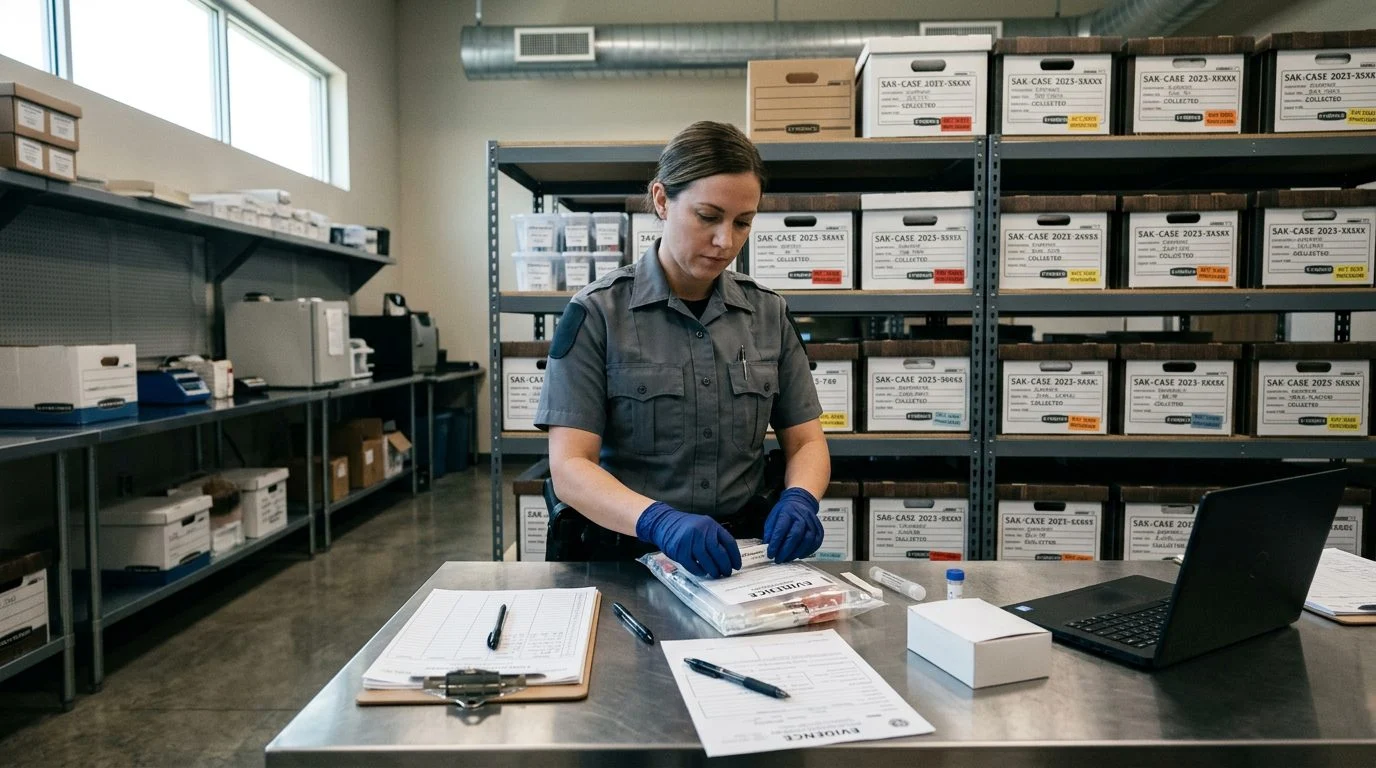
The strongest evidence usually shows the sequence of the night, what each person said, and how each person acted.
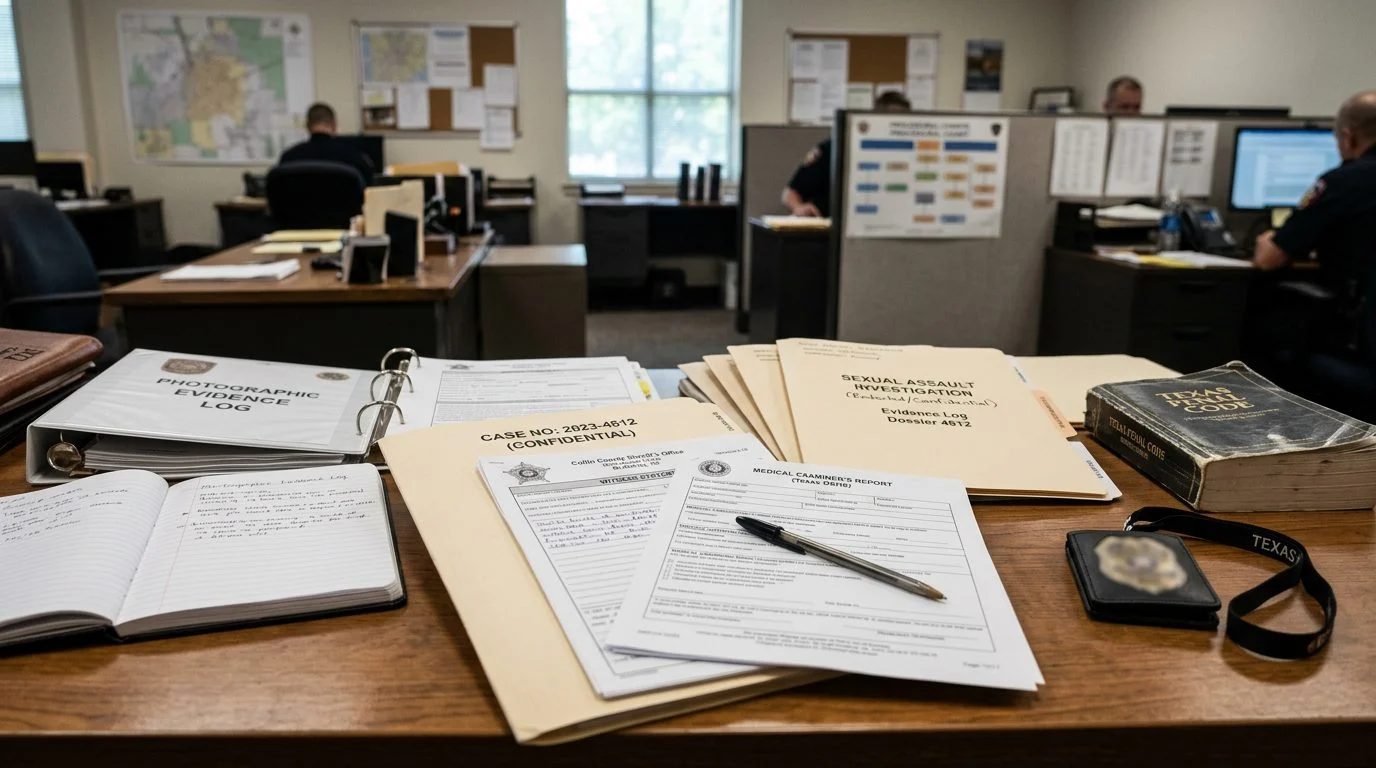
- Digital records: texts, social media messages, app chats, call logs, and rideshare or location data. Police generally need a warrant to search a phone’s digital data, even after an arrest (Riley v. California).
- Cell-site records: historical location records from a phone company generally require a warrant too (Carpenter v. United States).
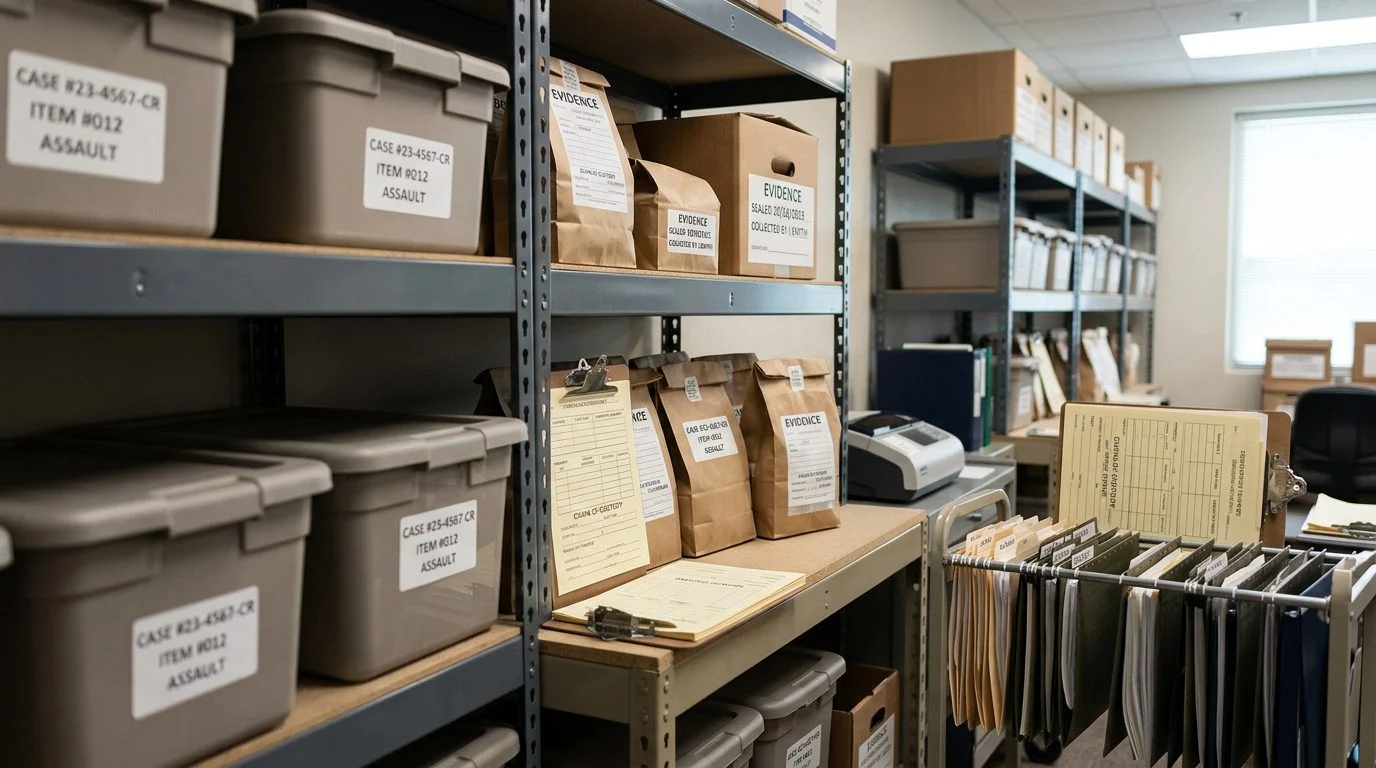
- Video and receipts: surveillance footage, bar or restaurant tabs, and photos from the evening.
- Witness accounts: people who saw the parties before, during, and after the event.
- Toxicology: blood or breath results. A number shows how much alcohol was in the body. It does not by itself show whether a person could consent.
- Forensic exam records: sexual assault examination reports and lab results.
- Statements: police interviews, recorded calls, and written accounts, compared for consistency over time.
How a Defense Lawyer Reviews the Intoxication and Consent Evidence
A defense lawyer starts by building a timeline, then tests each account against it.
- Timeline: drinks, arrivals, departures, and messages, built from the earliest records available.
- Discovery: after a timely request, the State must produce offense reports and written or recorded statements of the defendant or a witness, subject to the statute’s limits (art. 39.14 discovery).
- Recordings: recordings of a defendant’s statement must meet the article’s conditions. The defense lawyer must receive a complete copy not later than the 20th day before the proceeding (art. 38.22 recordings).
- Toxicology: a defense lawyer may consult an independent toxicologist when blood or breath results bear on incapacity.
- Changing accounts: statements are compared with the physical and digital record, including any recantation.
We will review the evidence, including the messages, video, toxicology and statements, and explain your options.
What Happens After an Investigation or Arrest
The process can include police questioning, a bond decision, a grand jury stage, and discovery, and each stage moves at its own pace.
- Questioning: whether a statement from custodial questioning can be used depends on whether police first gave the Miranda warnings and whether the statement was made under voluntary conditions (Dickerson v. United States).
- Self-incrimination: the Fifth Amendment says no person may be compelled in a criminal case to be a witness against himself.
- Counsel: Texas law entitles a defendant to be represented by counsel in an adversarial judicial proceeding and to private consultation with counsel sufficiently in advance of it; an indigent defendant who is entitled to and requests appointed counsel gets an attorney appointed in an adversary judicial proceeding that may result in confinement (art. 1.051 counsel).
- Grand jury: grand jury proceedings are secret, and related subpoenas stay secret as long as needed to prevent unauthorized disclosure (art. 20A.202 secrecy).
No lawyer can say how a case will end or how long each stage will take.
Why Barbieri Law Firm Handles These Cases
Barbieri Law Firm is an all-women criminal defense firm in Frisco, Texas, that defends people accused of sex crimes and assaultive offenses.
Heather Jean Barbieri, Board Certified, Criminal Law — Texas Board of Legal Specialization.
Our lawyers include Heather Barbieri and Carrie Thomas, supported by assistants and office staff. Our practice includes sex crimes, aggravated sexual assault and other assaultive offenses. We represent clients in Collin County, Dallas-Fort Worth and across Texas.
Not sure what your next step is?
Talk it through with our team — the first consultation is free, confidential, and carries no obligation.
Common Questions About Intoxicated Sexual Assault Charges in Texas
Intoxication is not an automatic defense, because the question is whether the other person could consent.
Is Being Drunk a Defense to Sexual Assault in Texas?
Drinking alone does not decide the case. The question is whether the other person was incapable of consenting, and what the accused knew about that.
Is Sexual Assault a Felony in Texas?
Yes. Sexual assault is generally a second-degree felony, but in some circumstances it is a first-degree felony, and aggravated sexual assault is a first-degree felony.
What Is Indecent Assault?
Indecent assault involves touching or exposure without consent and with intent to arouse or gratify sexual desire. Its base offense is a Class A misdemeanor under Texas Penal Code § 22.012.
Can a Blood Alcohol Result Prove Consent?
It can show how much alcohol was in the body. It does not by itself show whether someone consented.
What If the Accuser Changes Her Story?
Changes are compared against the timeline, the records, and other statements.
Should I Talk to Police?
Talk with a lawyer before you give a statement. You do not have to be a witness against yourself.
Talk With Barbieri Law Firm About Your Situation
Talking with a lawyer early lets you ask about the charge and the evidence before you decide anything.
If a detective has called about a night that involved alcohol, or you were arrested and are trying to make sense of what comes next, call (972) 424-1902 or send your case details to schedule a free consultation. The initial consultation is free, confidential and carries no obligation to continue.
Attorney responsible for this site: Heather Barbieri, Barbieri Law Firm, Frisco, Texas.
What we review in these cases
The timeline of the evening
We reconstruct where everyone was, when they arrived, when they left and who they were with.
Messages and social media
Texts, app messages and posts from before, during and after the night often show how each person communicated and behaved.
Police reports and lab results
We compare reports, statements, toxicology and any blood or breath testing against the accounts the state is relying on.
Your options, explained plainly
We walk you through the evidence, the strengths and weaknesses on each side, and the choices available at every stage.
Be careful what you say and post
Speak with a lawyer before you give a statement to police or anyone else.
Questions that shape the defense
What each person communicated
We examine whether and how each person expressed agreement, hesitation or unwillingness, in words or in conduct.
How much each person drank, and when
We review the drinking pattern on both sides and how it fits the timeline, witness accounts and any testing.
What witnesses observed
We identify who was present, what they saw and heard, and whether their accounts match the physical and digital record.
What happened afterward
Conduct after the encounter, including communications, travel and statements to others, is often part of the picture we evaluate.
Talk with Barbieri Law Firm about your case. The initial consultation is free, confidential and comes with no obligation to continue.
Related practice areas
Request a Consultation
Fill out the short form and we will take it from there.