

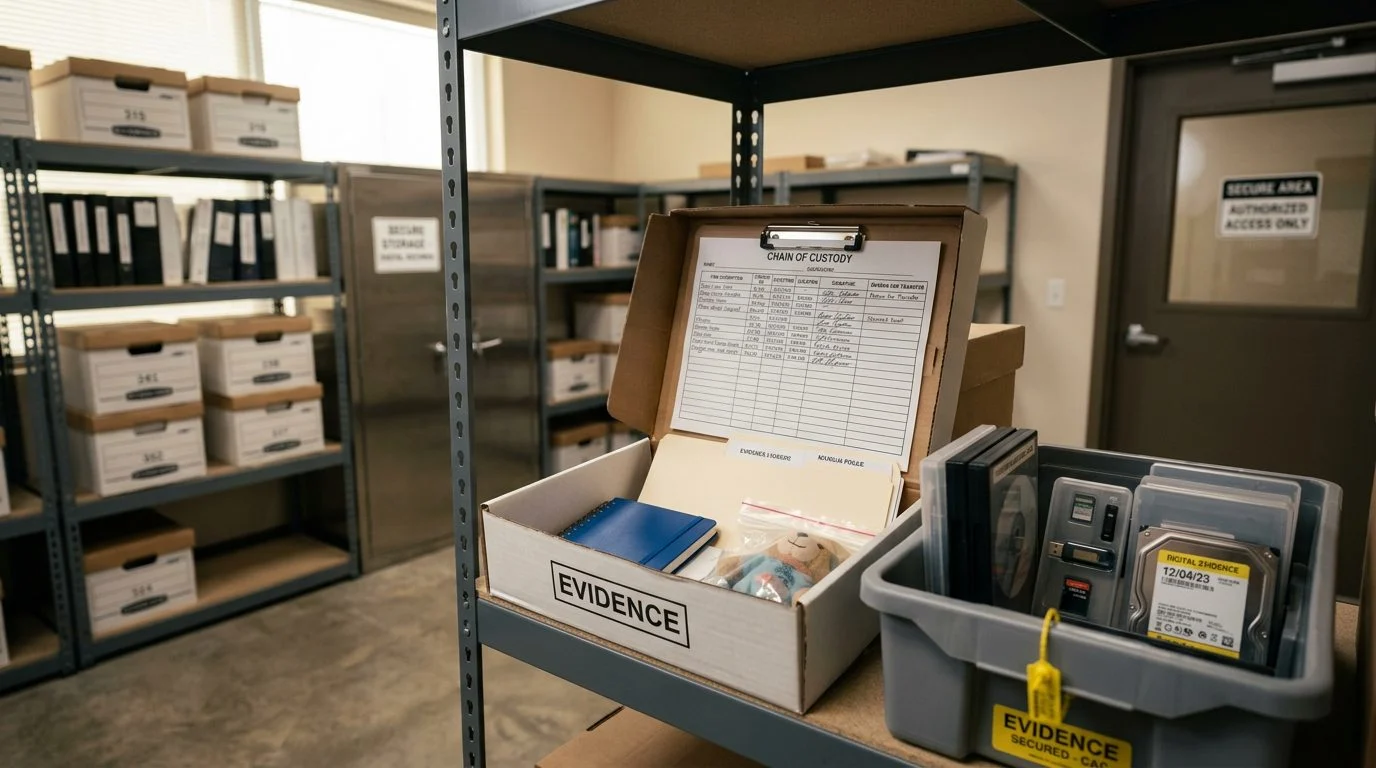
Child Forensic Interview Defense Lawyer in Texas
By Heather Barbieri · Published October 20, 2026
A child forensic interview is a recorded conversation between a trained interviewer and a child. It can become the center of a criminal case. If you are an adult accused in a child forensic interview case in Texas, the recording is one of the first things a child forensic interview defense lawyer reviews. Here is how these cases work and what the defense looks for.
What a Child Forensic Interview Is and Who It Affects
A child forensic interview is a recorded conversation led by a trained interviewer, who asks the child what happened. Many of these interviews take place at a Children’s Advocacy Center.
The interview often comes early. It can happen before anyone is charged. Investigators, prosecutors and Child Protective Services (CPS) may each rely on the recording when they decide what to do next.
This page is for adults named in a child’s outcry, a CPS referral or a criminal investigation based on a child’s words. It is also for the family members and partners trying to understand the case.
The charges can be serious. Aggravated sexual assault is a first-degree felony under Texas Penal Code § 22.021. In some cases, including when the child is younger than 10, the minimum prison term rises to 25 years. Indecency with a child by sexual contact is a second-degree felony under Texas Penal Code § 21.11.
Online sex crimes and assaultive offenses can rest on a child’s account too. Each charge has its own required elements, meaning the facts the State must prove. The first step is reading the exact charge.
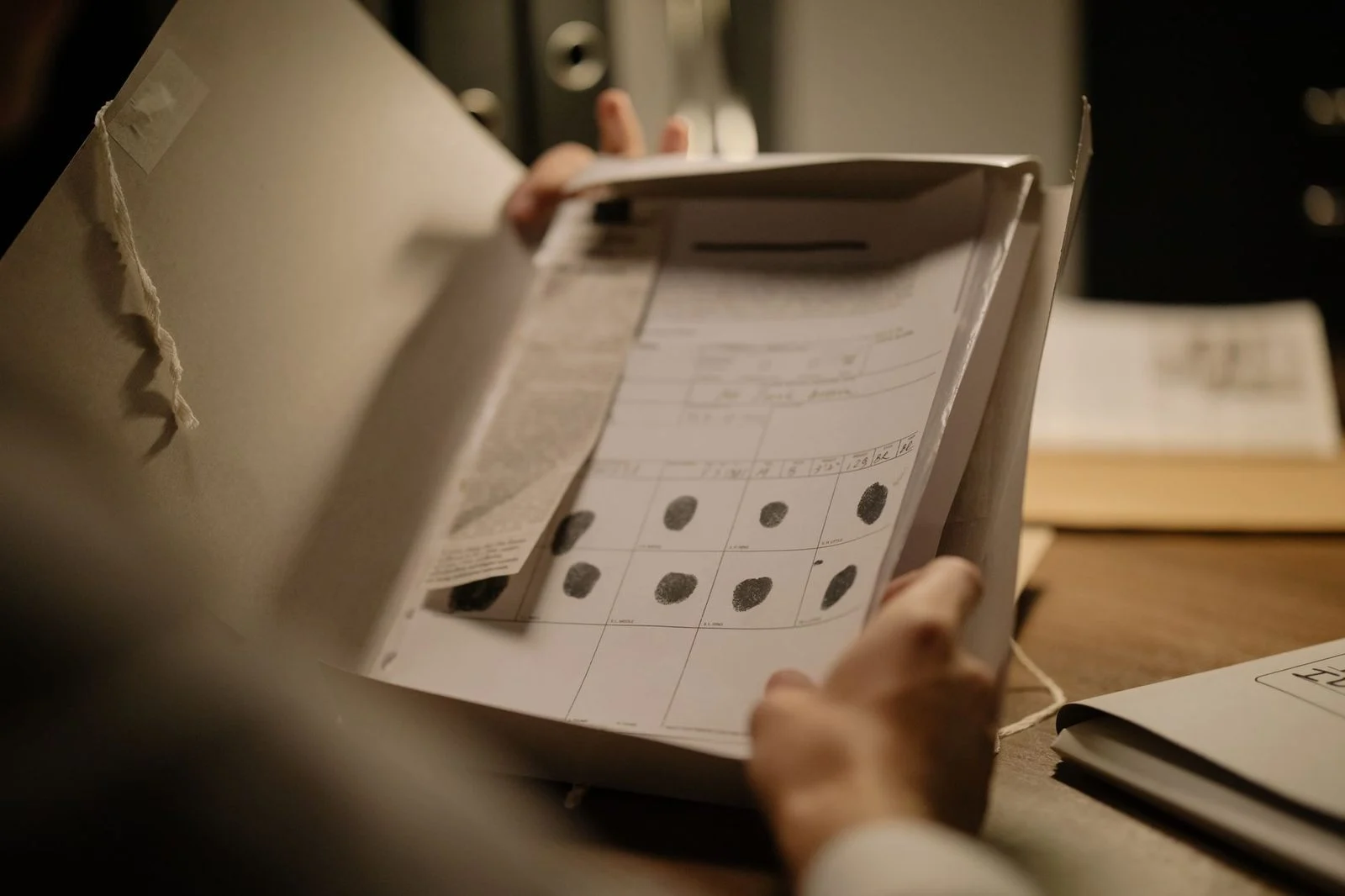
How Forensic Interviews Are Used in Texas Criminal Cases
The recording can shape charging decisions, protective orders and trial planning. It is one piece of the State’s proof, not the whole case.
Good interviews follow professional standards. OJJDP’s child abuse investigation guidance calls for open-ended questions and for avoiding repeated questioning. When a recording falls short of those standards, the gap becomes part of the defense review.
A child’s first account to an adult, often called an outcry, can start the case. How that account reaches the court depends on the charge and the proceeding.
Protective orders follow their own rules.
Families affected by these cases often have questions of their own. Knowing both sides helps the accused plan a response.
What the Defense Reviews in the Interview File
Defense counsel reviews the recording and file closely. The goal is to compare what the child said, what was written down and when it happened.
- Full recording: Audio and video from start to finish, including talk before the interview and any breaks or gaps.
- Notes and forms: Interviewer notes and summaries, checked word by word against the recording.
- Timing: When the first disclosure happened, when the interview took place, and what happened in between.
- Prior statements: What the child told parents, relatives, school staff, doctors or other interviewers, and whether those accounts match.
- Question style: Whether questions were open-ended or suggestive, and whether names or details came from the interviewer.
- Repeat interviews: How many interviews took place and whether the account changed over time.
Counsel checks whether any of those rules apply to the file.
How Counsel Protects the Accused’s Rights
A defense lawyer protects the accused by controlling contact, getting the file and testing the State’s evidence.
- Contact with police and CPS: Anything said can become part of the record. Talk with counsel before making any statement.
- No-contact conditions: Protective orders and bond conditions can limit contact with the child and family. Knowingly or intentionally violating a bond condition in a sexual assault or abuse case can be a crime under Texas Penal Code § 25.07 when the condition relates to the safety of a victim or the community. Examples include prohibited contact with a protected person or going to or near their home or a child’s school named in the condition.
- Discovery: The defense requests the recording, notes and reports from the State. Counsel reviews that material before any major decision.
- Motions: Depending on the facts, counsel may evaluate motions that challenge the interview’s reliability or admissibility.
- Testimony: The decision to testify is made only after full advice.
What to Expect: The Defense Process Step by Step
The process moves through five stages, from the first meeting to motions or trial preparation.
- First consultation: You describe the allegation, the timeline and what you know about the child’s account.
- Document collection: Counsel gathers charging papers, CPS or police reports, and the interview recording when it is available.
- Detailed review: The interview is compared with the other statements and records in the file.
- Investigation and preparation: Counsel may review school, medical or family records tied to the allegation.
- Motions, negotiations or trial preparation: The timing depends on the court and the stage of the case.
Each stage is explained to you in writing or in person as it happens. No lawyer can assure an outcome.
Why Barbieri Law Firm for Forensic Interview Defense
Barbieri Law Firm is an all-women criminal defense firm based in Frisco, Texas. It represents clients in Collin County, Dallas-Fort Worth and across Texas.
The founding attorney is Heather Jean Barbieri, Board Certified, Criminal Law — Texas Board of Legal Specialization.
The firm focuses on defending people accused of sex crimes and assaultive offenses. That includes aggravated sexual assault, online sex crimes, aggravated assault and family violence.
Our team of assistants and office staff supports case organization and client communication.
Our approach is plain. We review the recording and the file closely, explain your options and keep you informed at each stage.
Frequently Asked Questions About Child Forensic Interview Accusations
Can a recorded child forensic interview be challenged?
Yes. Defense counsel reviews the recording, notes and timing, then decides which challenges are worth raising. No lawyer can assure an outcome.
Does the child have to testify?
The answer depends on the charge, the court and the rules that apply. Counsel can explain how those rules affect your case.
Can the defense get the recording?
The defense may be able to obtain the recording and file through discovery, but Texas law can restrict access to a child’s recording, so what is available depends on the case. Counsel reviews them before any decision.
Should I speak with CPS or police before talking to a lawyer?
No. Anything you say can become part of the record, so talk with counsel first.
Can a protective order follow a child abuse accusation in Texas?
Texas courts may order conditions on contact and location. Counsel can explain what a specific order requires.

Talk With Our Team About Your Case
If a child’s recorded interview is now part of an accusation against you, you may not know what it says or what comes next. Our team can review the recording, notes and timing with you.
Call (972) 424-1902 or send your case details through our contact form to schedule a free, confidential initial consultation, with no obligation to continue.
Attorney responsible for this site: Heather Jean Barbieri, Barbieri Law Firm, Frisco, Texas.
Ready to take the next step?
Related practice areas
- Child Sexual Abuse Allegations in Texas: What Happens Next and How a Defense Lawyer Responds
- Accused of Sexually Abusing a Stepchild? Texas Lawyer
Request a Consultation
Fill out the short form and we will take it from there.