

Child Sex Crimes Defense | Collin County and Dallas-Fort Worth
Challenging a Forensic Interview in a Texas Child Sex Crime Case
Heather Barbieri reviews the recording, the questions asked and the protocol followed, then explains what those details may mean for your case.
By Heather Barbieri · Published October 25, 2026
Yes, a child sex crime case in Texas can be challenged through the forensic interview record. A defense lawyer reviews the recording, the questions asked and the paperwork around the interview. What that review shows depends on the specific recording and facts.
Short Answer: Why the Forensic Interview Record Matters in a Child Sex Crime Case
The recorded interview is often a central part of what the State has. It captures what the child said and how each question was asked. A written summary can leave out the tone, the pauses and the order of questions. The charge matters too. Texas Penal Code § 21.11 makes indecency with a child a second-degree felony when it involves sexual contact. It is a third-degree felony when it involves exposure. This page explains the interview, what a review looks for, how Texas law treats a child’s statements and how to request the full recording.
If a recorded forensic interview of a child is part of your case, you don't have to review it alone. We can talk through what the record contains. Talk it through with our team — the first consultation is free, confidential, and carries no obligation.
What Happens in a Forensic Interview of a Child
A forensic interview is a structured conversation between a trained interviewer and a child. It often takes place in a child-friendly setting, such as a child advocacy center. Children’s Advocacy Centers of Texas describes these centers as coordinating forensic interviews within a multidisciplinary response. Child Protective Services may also be involved. A CPS investigation is a separate process from the criminal case, and the DFPS Basic Investigation Process handbook describes how Texas CPS investigations are handled.
Federal guidance from OJJDP describes general professional standards for these interviews. Those standards include avoiding repeated questioning and using open-ended questions. When an interview is recorded, the recording provides a record of exactly what was asked and how the child answered. A written summary is only one person’s account of it. The wording of each question matters because the child’s words come from the answers that follow.
What a Defense Lawyer Looks for When Reviewing the Recording
A defense review looks at how each question was asked, not only at what the child said. Suggestive questions are the first thing a careful review checks. These questions assume the event happened, or they add details the child never gave. A review also asks who introduced each key detail, the child or the interviewer.
Other points matter too. A lawyer checks for repeated questions on the same topic and for changes in wording after an answer. Any pressure or reward cues are noted. The review also looks at whether the child named other people, places or events, and whether those details were followed up or dropped. Finally, a lawyer compares the timeline the child describes with the timeline in the State’s reports. Each finding is a question to weigh, not a result. The review shows what is on the recording. It does not decide the case.
Checking the Interview Against the Protocol and Interviewer Training
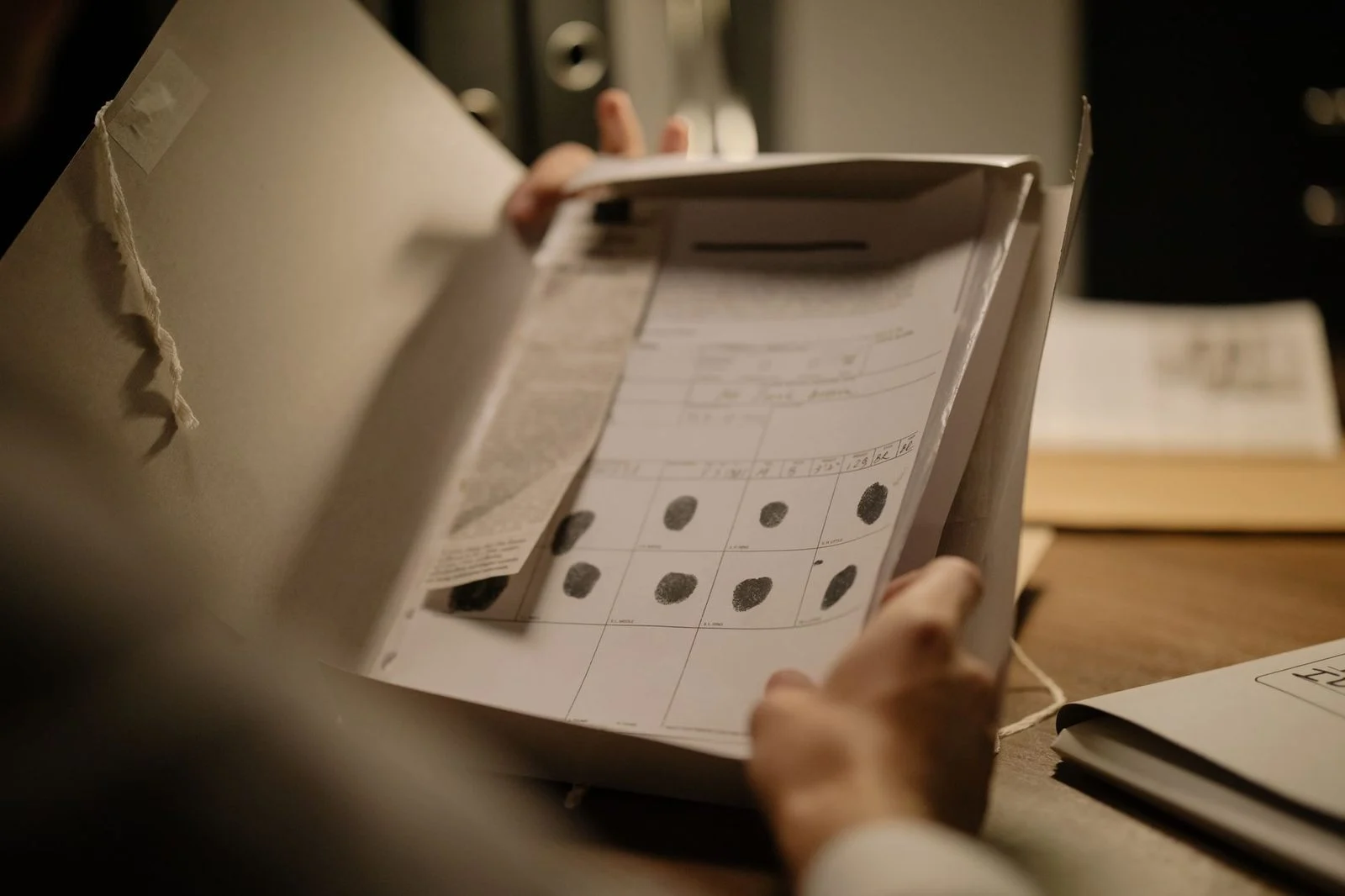
A defense review compares the questions actually asked with the written protocol the interviewer used. If a protocol was followed, a lawyer can check each step against it. Skipped steps and unscripted prompts are noted for review. A gap between the protocol and the recording is a point to raise, not proof of anything by itself.
Useful documents include the protocol in use, the interviewer’s training records and any notes or checklists used during the interview. Standards such as the OJJDP guidance give a lawyer a common reference point. That helps the review rest on the written method rather than on opinion alone. The lawyer uses these findings to judge how much weight the interview should carry. The same material is requested through the discovery process described below.
How Texas Law Treats a Child’s Statements in These Cases
Texas law treats a child’s statement differently depending on the type of hearing. Texas Code of Criminal Procedure art. 7B.004 applies to a hearing on an application for a protective order. It says a statement by a child younger than 14, who is a victim of listed offenses and describes the offense, is admissible. That article covers protective-order hearings, not the criminal trial itself.
The defense can object, and the judge rules on each objection. A defense lawyer can also ask the court to examine how reliable the recording is. The charge affects the stakes. Texas Penal Code § 22.021 makes aggravated sexual assault a first-degree felony. The minimum term of imprisonment under Texas Penal Code § 22.021 is increased to 25 years if the victim is younger than 10 years of age at the time the offense is committed, or if the victim is younger than 14 years of age at the time the offense is committed and the actor commits the offense in a manner described by Subsection (a)(2)(A).
How to Request the Full Recording Through Discovery
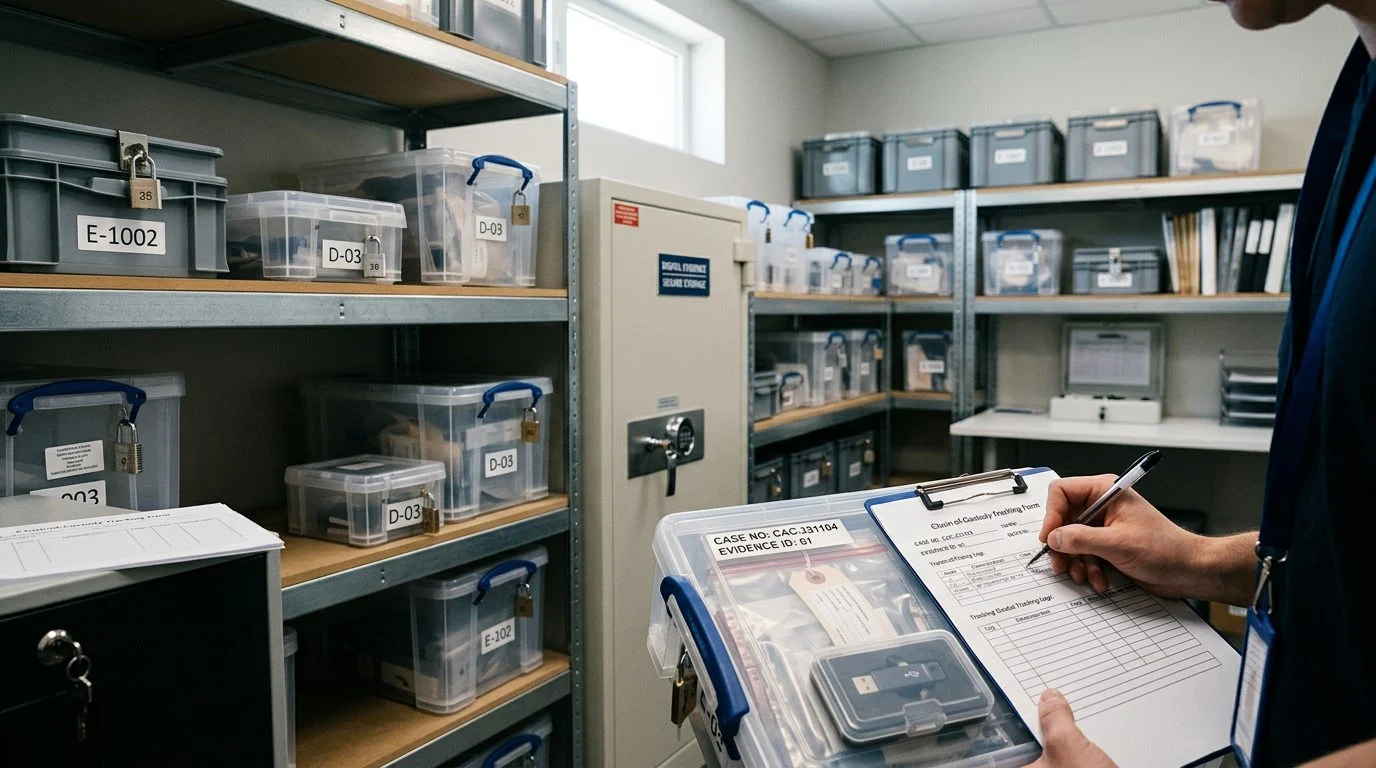
A written request creates a clear record of exactly what was asked. A good request covers the complete, unedited audio and video, every copy and version of the recording, and the interviewer’s notes. It should also list the protocol used, the scheduling and attendance records, and any other interview of the child.
The sequence is simple. The lawyer sends the written request, reviews what arrives, and follows up on anything missing or incomplete. An unedited copy matters because a short clip can show only part of an exchange. Copies can also come with limits on sharing. Ask your lawyer before you share anything, even with family.
Not sure what your next step is?
Talk it through with our team — the first consultation is free, confidential, and carries no obligation.
Common Mistakes to Avoid With the Interview Record
Avoid talking with the child, the family or witnesses about what was said in the interview. Those conversations can create confusion later and can be hard to undo. Do not post, forward or share the recording or the State’s report with anyone, online or off. Avoid writing your own version of the child’s statements, because a private summary can drift from the actual words.
Bring every letter, notice and piece of paperwork you have received to the first conversation. A clear timeline helps a lawyer review the record accurately. Early choices matter, and the first 48 hours after a sex crime accusation guide explains the first steps many people face. Taking those steps with a plan in place can keep the record easier to review.
Talk Through Your Own Forensic Interview Record
If you know a recorded interview of a child exists but have not seen it, a first conversation can focus on what the State has shared so far. A lawyer can explain what the recording may contain and how a discovery request would be made. The next step is a conversation about your own record, not a decision about the outcome.
Frequently asked questions
Can a forensic interview of a child be challenged in Texas?
Yes. A defense lawyer can review the recording, the questions asked and the protocol followed.
What happens in a CPS forensic interview?
A trained interviewer talks with the child in a child-friendly setting. A CPS investigation is a separate process from the criminal case.
Can a defense lawyer get the full recording?
A defense lawyer can ask the prosecution in writing for the recording and related materials.
If a recorded interview of a child is part of your case, you don’t have to sort through it alone. Call (972) 424-1902 or send your details through our contact form to set up a free initial consultation. The consultation is confidential and carries no obligation to continue.
Attorney responsible for this site: Heather Barbieri, Barbieri Law Firm, Frisco, Texas.
Speak with a lawyer before answering questions
Statements made to investigators, interviewers or school staff can become part of a criminal case. Call Barbieri Law Firm before answering questions about the allegations.
How we review a forensic interview
Recording review
We review the full recording, including the setting, the timing and how the interview began and ended.
Questions and protocol
We examine the questions asked, any suggestive language and whether the interview followed an accepted protocol.
Plain-language explanation
We explain what the interview shows, what it does not show and what questions remain open.
Coordination with the criminal case
We look at how the interview fits with the rest of the evidence, including any separate CPS investigation.
Questions to ask about the interview
Who conducted it?
The interviewer's training, role and independence from the investigation can matter to how the interview is evaluated.
How was it recorded?
We check whether the full interview was recorded, whether there are gaps, and whether the recording is complete and unedited.
What was asked?
We review the wording of each question, follow-up prompts and any information the child was given before the interview.
Was a protocol followed?
We compare the interview to the protocol used and identify steps that were skipped or handled differently.
Talk with Heather Barbieri about your case. The first consultation is free, confidential and comes with no obligation to continue.
Related practice areas
Request a Consultation
Fill out the short form and we will take it from there.