

Child Sex Crimes Defense | Frisco, Texas
Charged With a Child Sex Crime in Texas? Start With a Clear Picture of Your Situation
A plain-language guide for professionals in Collin County, Dallas-Fort Worth and across Texas. Barbieri Law Firm defends people accused of child sex offenses. Heather Jean Barbieri, Board Certified, Criminal Law — Texas Board of Legal Specialization, leads the firm's defense team.
By Heather Barbieri · Published October 21, 2026
What a Child Sex Crime Charge Means in Texas
A child sex crime charge in Texas is a serious felony accusation, and most cases begin with an investigation long before any formal charge. The facts decide which offense and which felony level apply. The alleged child’s age, the conduct described, and whether the act involved contact or only exposure all change the charge. Barbieri Law Firm is based in Frisco, Texas. The firm defends people accused of sex crimes and assaultive offenses in Collin County, Dallas-Fort Worth, and across Texas. This guide walks through each stage, so you know what usually comes next.
If you have just learned of a child-related accusation and a bond hearing may be coming up, you do not have to face the next stage alone. Talk it through with our team — the first consultation is free, confidential, and carries no obligation.

Common Child Sex Crime Charge Categories in Texas
Texas child sex crime charges fall into several groups. Each group has its own definition and grade. Penalties depend on the statute and the facts, so a label alone does not show the likely outcome.
Indecency with a child. The Texas Penal Code covers conduct with a child younger than 17. Sexual contact is a second-degree felony. Exposure is a third-degree felony. The statute also sets out an affirmative defense for an accused who was not more than three years older than the child and of the opposite sex, did not use duress, force, or a threat against the child, and met the registration condition in the statute.
Sexual assault of a child. The sexual assault statute defines a child as a person younger than 17. The offense applies even when the accused did not know the child’s age.
Aggravated sexual assault. Aggravated sexual assault is a first-degree felony. The minimum term of imprisonment for an offense under this section is increased to 25 years if the victim of the offense is younger than 10 years of age at the time the offense is committed, or if the victim is younger than 14 years of age at the time the offense is committed and the actor commits the offense in a manner described by Subsection (a)(2)(A) (Texas Penal Code § 22.021).
Continuous sexual abuse of a young child. Penal Code § 21.02 requires two or more acts of sexual abuse during a period of 30 or more days.
Sexual performance and child pornography. Sexual performance by a child can be a second-degree felony, or a first-degree felony when the child is younger than 14. Child pornography offenses are graded by factors such as the number of visual depictions and prior qualifying convictions.
Stage 1: How Investigations Begin Before Any Charge
An investigation usually starts with a report, and a report alone is not a charge. Reports can come from a parent, a school, an employer, or Child Protective Services. Many child cases include a forensic interview, a recorded interview of the child by trained staff at a child advocacy center. A Child Protective Services review can run alongside a police investigation. Investigators may ask an accused professional for an interview, access to a phone, or a written statement. A request is not an arrest. Online cases often involve the Texas Attorney General ICAC program. Early on, it helps to know what you are being asked to do and why.
Stage 2: Arrest or Summons and the Magistrate Hearing
An arrest means you are taken into custody. Ask for the charging papers and the bond conditions in writing. Keep copies of everything you receive. Those papers will guide the next steps, and they should be reviewed carefully.
Stage 3: Bond Conditions and Contact With the Accuser
Bond conditions can bar contact with the alleged child, the child’s family, or certain places. Under Penal Code § 25.07, violating a bond condition in a sexual assault or abuse case can be a separate offense. That applies when the condition relates to the safety of a victim or the community. The statute names going to or near the residence or place of employment or business of a protected individual or a member of the family or household, or any child care facility, residence, or school where a protected child normally resides or attends, as specifically described in the order or bond condition. Ask your lawyer to explain each condition in plain language. Follow every condition exactly until the court changes it.
Stage 4: The Grand Jury and the Indictment in Collin County
In many felony cases, a grand jury decides whether to return an indictment. An indictment is a formal charge. Collin County cases follow this same process. After an indictment, the case moves through the county’s courts. Ask your lawyer to explain what the indictment alleges and which statute it cites.
Not sure what your next step is?
Talk it through with our team — the first consultation is free, confidential, and carries no obligation.
Stage 5: Pretrial Evidence, Discovery, and Prior Bad Acts
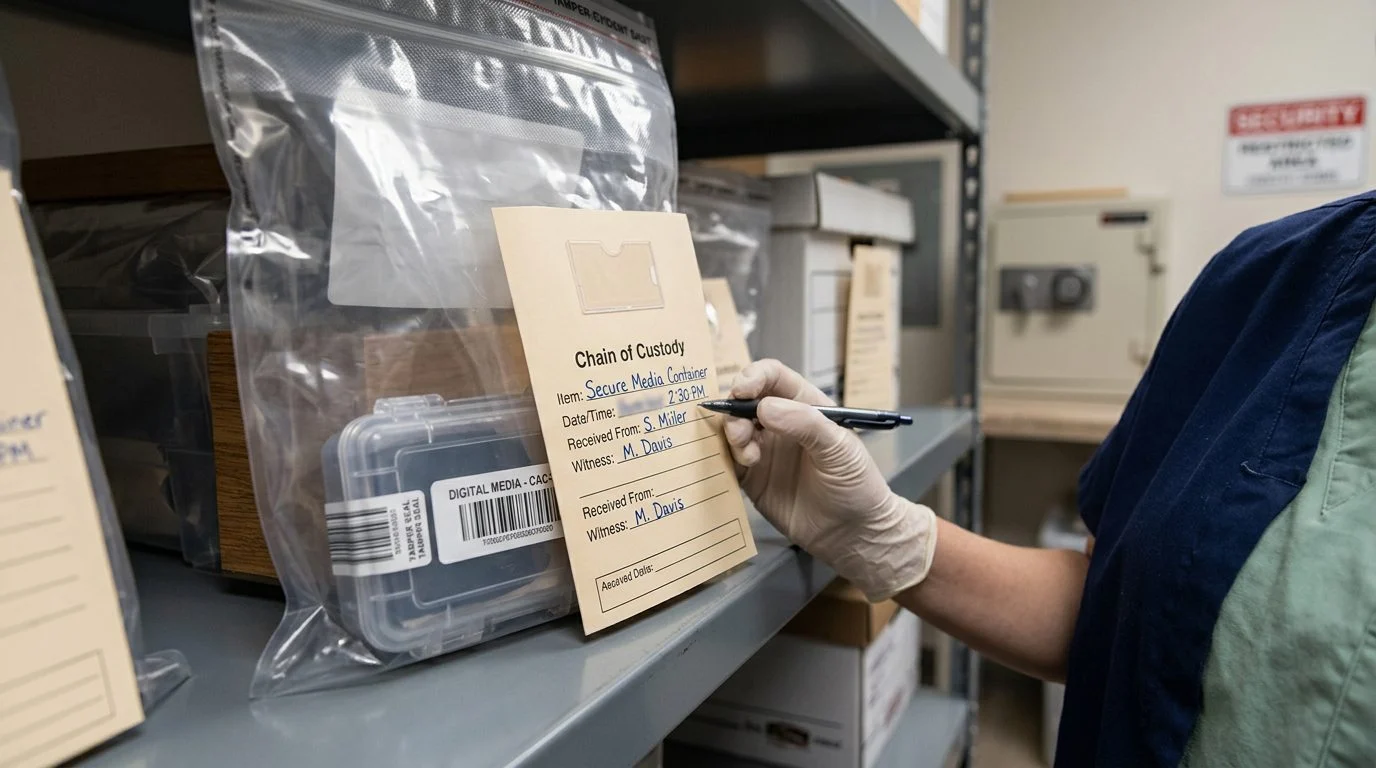
Early in a case, the defense reviews what the State has. This exchange of evidence is called discovery. Items often include police reports, recorded interviews, and records from phones and devices. Reviewing the evidence is a central early step. It shapes every choice that follows.
Stage 6: Trial and the Child Witness
Cases with child witnesses often involve special court procedures. Your lawyer can explain which procedures may apply to your case. At trial, cross-examination tests the child’s account. The defense compares statements over time, looks at how interviews were conducted, and examines the timeline. The jury weighs the testimony and decides what it believes. A trial result cannot be predicted in advance. Each case is judged on its own evidence, and no one can promise how a jury will decide.
Resolution Paths: Dismissal, Deferred Adjudication, Plea, or Verdict
When that period ends without an adjudication, the judge must dismiss and discharge the case, under Art. 42A.111. For a defendant charged with an offense requiring sex offender registration, the judge may not end supervision early. Under Article 42A.111(c) of the Texas Code of Criminal Procedure, except as provided by Penal Code § 12.42(g), a dismissal and discharge under that article may not be considered a conviction for the purposes of disqualifications or disabilities imposed by law for conviction of an offense; Article 42A.111(d) lists further situations in which the deferred adjudication may still be considered. Article 42A.111(d) of the Texas Code of Criminal Procedure addresses when a licensing agency may still consider prior deferred adjudication. That article sets out the conditions in full, and this summary does not list them all.
Collateral Effects: Work, Licensing, Background Checks, and Registration
An accusation or charge can affect work, professional licensing, and background screening. The effects depend on the charge, the outcome, and the licensing body. Registration is a separate question. Under Chapter 62 of the Texas Code of Criminal Procedure, a “sexually violent offense” includes sexual assault, aggravated sexual assault, continuous sexual abuse, and indecency with a child by sexual contact, when committed by a person 17 or older. Whether registration applies depends on the offense and the disposition. Firearm rights are also affected. Keep written notices from any employer or licensing board.
When the Accusation Is False or Unsupported
The defense tests the account against the evidence. That includes inconsistencies between statements, timeline problems, and how interviews were conducted. Some offenses include affirmative defenses that apply only when specific conditions are met. Each affirmative defense has its own conditions. Whether any defense fits depends on the facts of the case, and the defense must review the evidence before drawing conclusions.
If you have just learned of a child-related accusation and a bond hearing may be coming up, you do not have to face the next stage alone. Talk it through with our team — the first consultation is free, confidential, and carries no obligation.
Frequently Asked Questions
Is an investigation the same as a charge?
No. An investigation gathers facts. An arrest or indictment is a formal step in the case.
Can I be arrested before I know I am under investigation?
Yes. Some people learn of an investigation only when an arrest or summons occurs.
Does deferred adjudication still appear on a record?
It can. It can matter in a later case: for the purposes of punishment enhancement under Penal Code § 12.42(c)(2), a defendant has been previously convicted of an offense listed under § 12.42(c)(2)(B) if the defendant was adjudged guilty of the offense or entered a plea of guilty or nolo contendere in return for a grant of deferred adjudication, regardless of whether the sentence was ever imposed or whether the sentence was probated and the defendant was subsequently discharged from community supervision (Penal Code § 12.42(g)(1)); this rule addresses enhanced punishment, not what appears on a criminal record or background check.
What should I do first?
Write down what you were told, keep every notice, and review each bond condition. Then bring those papers to your first consultation.

Talk With Heather Barbieri About Your Situation
Imagine you have just learned of an accusation involving a child. A bond hearing may be coming up, and you wonder what conditions will limit your work and your contact with others. Barbieri Law Firm offers a free, confidential initial consultation with no obligation to continue. Heather Jean Barbieri, Board Certified, Criminal Law — Texas Board of Legal Specialization, is the firm’s founding attorney. Call (972) 424-1902 or send your case details through the Barbieri Law Firm contact page.
Attorney responsible for this site: Heather Barbieri, Barbieri Law Firm, Frisco, Texas.
How We Approach a Child Sex Crime Case
Review the evidence
We review the allegations, reports, interviews and any digital records so you understand what the State has and what it may still need to prove.
Explain your options
We walk you through the stages of the case in plain language, including what each step means for you and your family.
Protect your position early
We advise you on communications, statements and contact with others while the case is developing. Early decisions can affect later stages.
Keep you informed
You will know what is happening, what is coming next and what questions we are still working to answer.
Speak With a Lawyer Before You Give a Statement
Talk to a criminal defense lawyer before you answer questions, sign documents or discuss the allegations with anyone else. What you say early on can shape the case.
Common Questions Professionals Ask
Is an investigation the same as a charge?
No. An investigation gathers facts. An arrest or indictment is a formal step in the case.
Can I be arrested before I know I am under investigation?
Yes. Some people learn of an investigation only when an arrest or summons occurs.
Does deferred adjudication still appear on a record?
It can. We explain how a deferred adjudication is recorded and how it may affect your work, licenses and background checks.
What should I do first?
Write down what you remember, keep copies of anything you have been given, and contact a lawyer before taking further steps.
Free, confidential initial consultation — no obligation to continue
Related practice areas
Request a Consultation
Fill out the short form and we will take it from there.