

Child Sex Crimes Defense | Collin County and Dallas-Fort Worth
Facing an Indecency With a Child Charge in Texas? Talk to a Defense Lawyer Who Listens First
Barbieri Law Firm, an all-women criminal defense firm in Frisco, defends people accused of indecency with a child. Your first consultation is free, confidential and carries no obligation to continue.
By Heather Barbieri · Published November 3, 2026
An indecency with a child charge defense Texas case starts with the statute. Under Texas Penal Code § 21.11, an offense involving sexual contact with a child younger than 17 years of age, or certain exposure in a child’s presence, is charged under subsection (a). An offense under subsection (a)(1) is a felony of the second degree, and an offense under subsection (a)(2) is a felony of the third degree. The charge turns on what the State can prove about the conduct and the intent behind it. This page explains the law in plain words and how a defense tests the accusation. It is written for a man who has been arrested, is under investigation, or has just learned of an accusation.
What an Indecency With a Child Charge Means Under Texas Law
Indecency with a child is a Texas felony that covers sexual contact with a child and certain exposure. The statute protects children under 17. It applies whether or not the adult knows the child’s age. Penal Code § 21.11(a) describes both forms of the offense.
Intent sits at the center of the charge. Touching counts as sexual contact only when it is done to arouse or gratify sexual desire. Exposure counts only when it is done with that same intent. Because intent is hard to see, the State often relies on words, timing and context. The defense examines those same details closely.
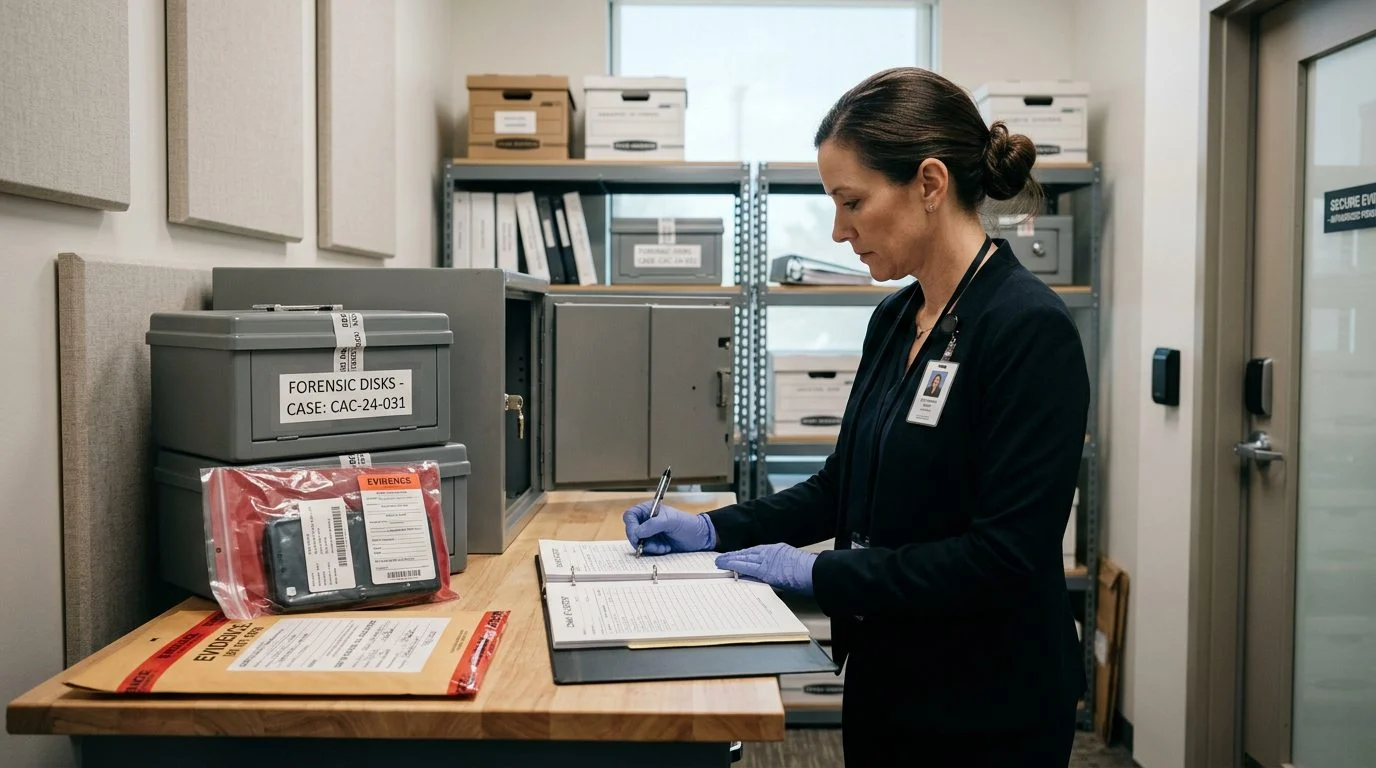
The charging papers show which elements the State says it can prove.
Facing an accusation while a custody or CPS case is underway is hard, and our team offers a free, confidential first consultation to review the charge with you. Talk it through with our team — the first consultation is free, confidential, and carries no obligation.

What the State Must Prove: Contact Versus Exposure
The State must prove either sexual contact or exposure. Each form has its own elements and its own felony grade.
Contact. The State must show the adult engaged in sexual contact with a child, or caused the child to do so. Sexual contact includes touching the child’s anus, breast or genitals, even through clothing, with intent to arouse or gratify sexual desire.
Exposure. The State must show the adult exposed his anus or genitals while knowing the child was present, with that same intent. The offense also covers causing the child to expose.
Grade and range. Under § 21.11(d), sexual contact is a second-degree felony and exposure is a third-degree felony. Under Texas Penal Code § 12.33, a person adjudged guilty of a second-degree felony may be imprisoned for any term of not less than 2 years or more than 20 years. In addition to imprisonment, that person may be fined an amount not to exceed $10,000. Under Texas Penal Code § 12.34, a person adjudged guilty of a third-degree felony may be imprisoned for any term of not less than 2 years or more than 10 years. In addition to imprisonment, that person may be fined an amount not to exceed $10,000. Texas does not grade this offense as a first-degree felony.
The grade follows the conduct alleged. The charging document is the place to see exactly what the State claims.
What the Defense Covers: Testing the Accusation and the Evidence
A defense tests each element the State must prove, and each piece of evidence behind it.
- Charging papers and bond terms. Read the charge, the affidavit and any bond or protective order line by line.
- The child’s account. Compare each statement for consistency. Examine the interview setting and who was present.
- Recordings and records. Review forensic interview video, medical records, texts, and phone or computer data.
- Timeline. Check dates and places against calendars and other witnesses.
- Intent and identity. Test whether the State can prove sexual intent, and whether the right person was charged.
- Statutory defenses. It is an affirmative defense to prosecution for indecency with a child that the accused was not more than three years older than the victim and of the opposite sex, did not use duress, force, or a threat against the victim at the time of the offense, and at the time of the offense either was not required to register for life as a sex offender under Chapter 62, Code of Criminal Procedure, or was not a person who had a reportable conviction or adjudication for an offense under that section. A spouse has a separate defense under § 21.11(b-1). The defense raises it, and every condition must fit the facts.
- Sting cases. Under Penal Code § 8.06, entrapment is a defense when a law enforcement agent induces the conduct through persuasion or other means likely to cause persons to commit the offense. Conduct merely affording a person an opportunity to commit an offense does not constitute entrapment.
- Context. When a report arises from a custody or divorce fight, the defense looks at that history and documents it.
When the Charge Arrives With a Divorce, Custody Fight or CPS Case
A criminal case can run at the same time as a family court suit or a CPS investigation. Filings and orders in one can affect the others.
Bond conditions and protective orders often limit contact with children. Under Penal Code § 25.07, it is an offense to knowingly or intentionally do certain listed acts that violate a bond condition related to the safety of a victim or the community, or certain protective orders, in a sexual assault or abuse case. The listed acts include prohibited communication, going near protected places, or possessing a firearm. Under Penal Code § 25.07(g), the offense is a Class A misdemeanor. It is a state jail felony if it is shown at trial that the defendant violated an order issued under Subchapter A, Chapter 7B, Code of Criminal Procedure, after a conviction or deferred adjudication for an offense, and the order was issued with respect to a victim of that offense. It is also a state jail felony if the defendant violates an order or bond condition in a manner described by Subsection (a)(1), (2), (3), (5), (6), or (7) while possessing a deadly weapon. A violation is a third-degree felony when it is shown on the trial of the offense that the defendant breached the order or condition of bond by committing an assault or the offense of stalking, or when the defendant has two or more prior convictions under Section 25.07 or Section 25.072, or one of each (Tex. Penal Code § 25.07(g)(2)).
Before any contact with your children, review every bond term and court order. Do not assume an informal arrangement is allowed. A defense reviews family court and CPS documents and deadlines before anything is filed or said.
The case is decided on the evidence in each proceeding.
What to Expect: The Process From Consultation Onward
The process usually moves from a confidential consultation to evidence review, investigation and defense decisions.
- Consultation. You describe the accusation, any arrest and any bond or custody papers.
- Evidence review. Recordings, reports, digital data and the State’s disclosures are reviewed.
- Investigation. The defense tests the State’s account and gathers its own facts and witnesses.
- Motions, negotiation and trial preparation. Each option is explained so you can decide with full information.
How long each stage takes turns on the court’s schedule and the evidence. No lawyer can say how long a case will last.
Why Barbieri Law Firm for This Charge
Barbieri Law Firm is an all-women criminal defense firm in Frisco, Texas. It defends people accused of sex crimes and assaultive offenses in Collin County, Dallas-Fort Worth and across Texas.
- Board certification. Heather Jean Barbieri, Board Certified, Criminal Law — Texas Board of Legal Specialization.
- The firm’s lawyers. Heather Barbieri and Carrie Thomas are the firm’s lawyers. Support staff assist the team.
- Related practice areas. The firm handles child sex crimes, online sex crimes, aggravated sexual assault, aggravated assault and family violence cases.
No lawyer can promise a result in any case.
Not sure what your next step is?
Talk it through with our team — the first consultation is free, confidential, and carries no obligation.
Questions a Man Facing This Charge Asks
Short answers to common questions about this charge.
Is indecency with a child a felony in Texas?
Yes. Sexual contact is a second-degree felony and exposure is a third-degree felony under § 21.11(d).
Will I have to register as a sex offender?
Under Texas Code of Criminal Procedure Art. 62.051, a person who has a reportable conviction or adjudication, or who is required to register as a condition of parole, release to mandatory supervision, or community supervision, shall register. Whether registration applies depends on the conviction, and the lawyer reviews it with you.
Can I see my children while the case is pending?
Bond conditions and court orders set the rules. Violating them can be a separate offense under § 25.07.
What is the difference between an opportunity and entrapment?
Under § 8.06, giving someone an opportunity to offend is not entrapment. Inducement by a law enforcement agent can be a defense.
Is the first consultation free?
The firm offers a free initial consultation, which is confidential and without obligation.

Where to Start If You Have Been Accused
If you have been accused, you may be facing a knock at the door, a call from a caseworker, a summons in a custody case, or a charge already filed. Call (972) 424-1902 or send your case details through the contact page, so the firm can begin reviewing the charge with you.
Attorney responsible for this site: Heather Barbieri, Barbieri Law Firm, Frisco, Texas.
Why people facing this charge call Barbieri Law Firm
A careful review of the facts
We will review the allegations, the evidence and the circumstances of your case with you, then explain your options.
An all-women firm
Barbieri Law Firm is led by Heather Barbieri, and our team includes Carrie Thomas. We focus on criminal defense for professionals and others facing sex crimes and assaultive offenses.
A confidential first consultation
Your free initial consultation is confidential and carries no obligation to continue.
Serving Collin County and beyond
Based in Frisco, we represent clients in Collin County, Dallas-Fort Worth and across Texas.
Be careful what you say before you talk to a lawyer
What you say about the allegation to police, school staff, family members or on social media can affect your case. Speak with a defense lawyer before you discuss the charge with anyone else.
How we approach your case
1. Confidential consultation
We listen to your side of the story in a private, confidential setting. Your first consultation is free and carries no obligation to continue.
2. Review of the charge and evidence
We review the allegations, the reports, any recorded statements and the other evidence, and we explain what each part means for your defense.
3. A clear explanation of your options
We walk you through the options available in your situation, so you can decide how to move forward with full information.
Speak with Barbieri Law Firm about your indecency with a child charge
Related practice areas
Request a Consultation
Fill out the short form and we will take it from there.