

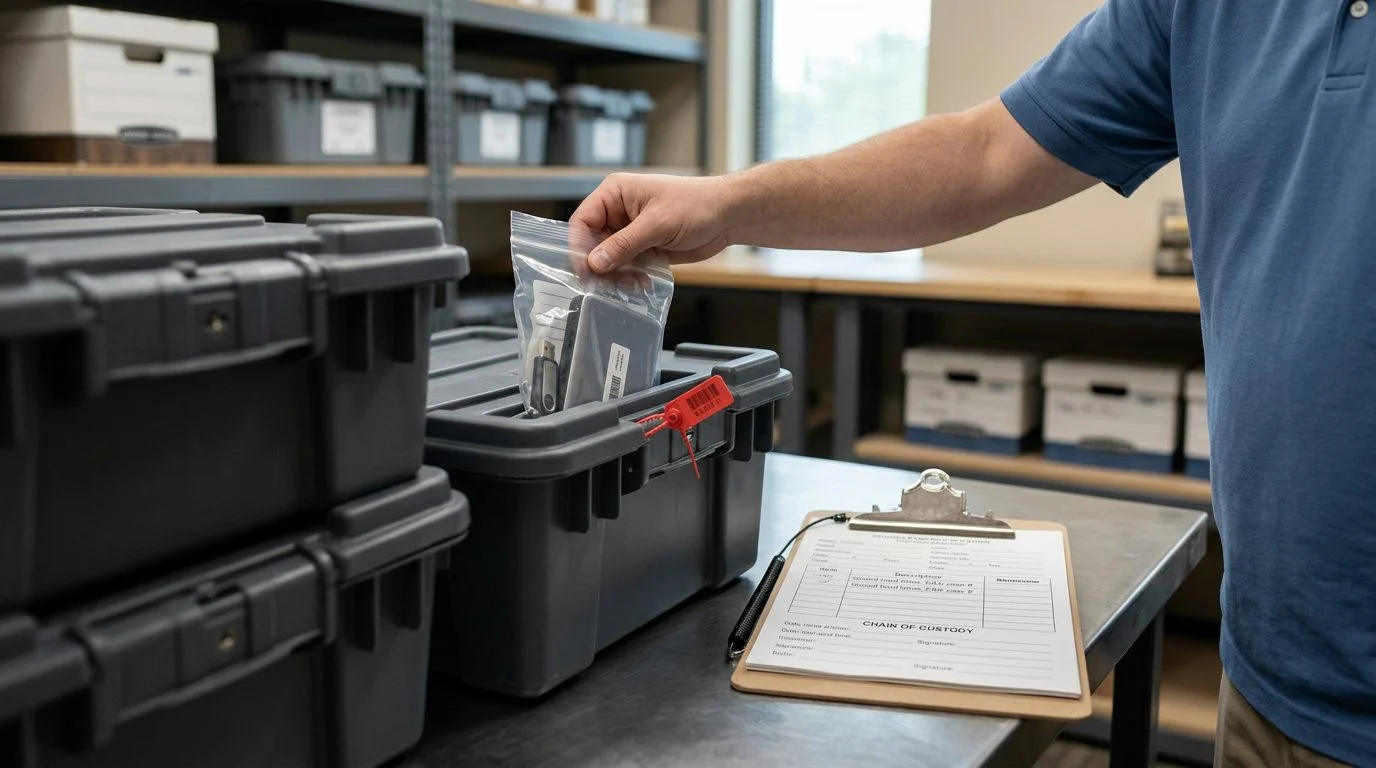
Child Sex Crimes Defense | Frisco, Texas
No Physical Evidence Does Not Mean the Case Is Simple
Barbieri Law Firm reviews interview recordings, records and timelines in child sex crime cases across Collin County and Texas. We explain what the evidence shows and what it does not.
By Heather Barbieri · Published October 24, 2026
Short Answer: Texas Does Not Require Physical or DNA Evidence in Every Child Sex Crime Case
Under Texas law, a sexual offense charge depends on the specific conduct alleged and on the circumstances defined by statute, including the age of the person involved. Child sex crime proof without physical evidence in Texas often rests on statements, interviews and records. Whether the proof in a particular file is enough turns on the charge and the evidence in it. The sections below explain what that evidence looks like and how it gets reviewed.
If a child's statements or interview are the main evidence in your case and no physical or DNA evidence has been found, we can review that file with you. Talk it through with our team — the first consultation is free, confidential, and carries no obligation.
What the State Relies On When Physical or DNA Evidence Is Missing
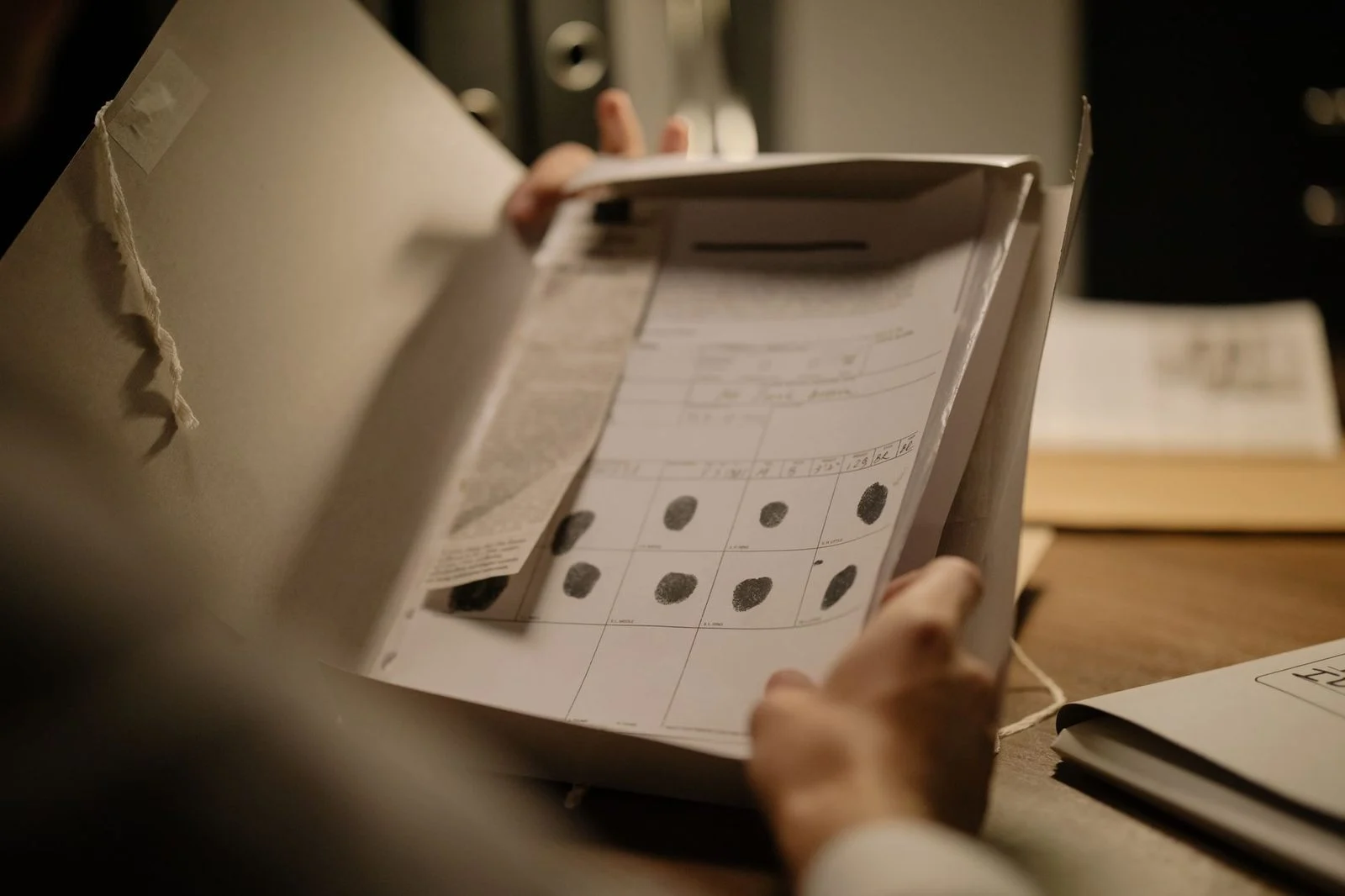
The state usually relies on the child’s own account and the adults who heard it. That group often includes a parent, a teacher, a counselor, an investigator or a forensic interviewer. Their accounts of what the child said become central to the file. In cases involving online contact, written evidence can carry more weight. Texas makes it a crime to knowingly solicit a minor to meet for sexual contact or intercourse, and messages, images and account data may be evidence in those cases. Digital records don’t exist in every case, though. The defense checks what is actually there. That means the exact words, who sent what, and whether the records match the timeline the child describes. Medical findings are a separate piece, and they exist only when an exam took place.
Outcry Witnesses: Who Heard the Child First and What Gets Repeated
The adult a child first told is often a central witness. Whether that person’s account can be used at trial depends on the rules that apply, and those are reviewed in each case. The defense starts with sequence. Who heard the child first? When did it happen? Was the first telling to a sibling, a friend or a school employee, with a later telling to a parent? The first adult to hear something is not always the first person the child spoke to. Exact wording matters too, because a paraphrase by an adult can differ from what the child actually said. Other-child evidence follows a separate track. That rule is different from the rules for a child’s own account, so the two should be kept apart in review.
Forensic Interviews: What Gets Recorded and Why the Process Matters
Many child allegations lead to a forensic interview instead of a standard police interview. These are often held at a child advocacy center. The interview record is one of the most important items in the file. The defense reviews whether the interview was recorded, how many interviews took place, who was in the room and what the interviewer asked. Open-ended questions tend to produce a child’s own words. Leading questions can put words into a child’s mouth. Interviewer notes should match the recording, so each is compared against the other. A child’s account can also change across interviews, through added details, dropped details or new names. Each version is placed on a timeline. A change is not automatically a sign of anything. It is something the file must explain.
Medical Findings: What an Exam Can Show and What It Cannot
A medical exam may or may not happen in a child abuse case. When one does, the findings can be normal. A normal result does not, by itself, show that abuse did or did not happen. Medical findings are one kind of evidence, not a requirement for the state’s case. The defense reads the exam date, the clinician’s written conclusions and any limits the clinician noted. A report should be read for what it actually concludes, not for what a summary says it concludes. Records should also show when the exam happened relative to the alleged events. An absence of medical evidence is one factor to review alongside the statements, interviews and timeline. It is not a determination of the case.
How the Defense Tests Whether the Testimony Is Enough
When a file lacks physical proof, the testimony carries more weight, so the child sex crime proof without physical evidence Texas review focuses on it. The statements are compared for consistency across each telling, including details that change over time. The review also looks for sources of influence, such as repeated questioning, media exposure, family disputes or custody disagreements. Those can shape when and how a disclosure comes out. The child’s timeline is checked against school schedules, calendars, travel records and messages. The review also asks which elements the testimony addresses and which it doesn’t. Continuous sexual abuse adds a timing rule. Under Penal Code § 21.02, jurors in a jury trial need not agree on each specific act or the exact dates. They must agree unanimously that the defendant committed two or more acts of sexual abuse during a period that is 30 or more days in duration.
Not sure what your next step is?
Talk it through with our team — the first consultation is free, confidential, and carries no obligation.
Elements the State Must Still Prove, Including the Age Element
Age is often one of them. Under Texas law, indecency with a child involves a child younger than 17 and sexual contact committed with intent to arouse or gratify sexual desire. Sexual contact can include touching through clothing. Under Texas Penal Code § 21.02, an affirmative defense is available in a prosecution involving only one or more victims described by Subsection (b)(2)(A), if the actor was not more than five years older than the victim or the youngest victim, among other listed conditions. Under Texas Code of Criminal Procedure Art. 42.017, in the trial of certain sex offenses, the judge must make an affirmative finding of fact and enter it in the judgment upon determining that, at the time of the offense, the defendant was not more than four years older than the victim or intended victim, who was at least 15 years of age, and that the conviction rests solely on the ages of the defendant and the victim or intended victim at that time. The judge makes that finding only if the defendant was not more than four years older than the victim, the victim was at least 15, and the conviction rests solely on those ages. In sexual performance cases, Penal Code § 43.25 lists ways to decide whether a child is younger than 18. Those include personal inspection, a photograph, and a witness’s testimony about the child’s appearance. The defense examines how each age fact was established.
Accusations, Protective Orders and Records: Steps That Can Start Early
An accusation can affect contact with the child before any charge is filed. Family, custody and protective-order matters run apart from a criminal case. In a protective-order hearing, a child’s statement can carry weight of its own. Code of Criminal Procedure art. 7B.004 makes a statement by a child younger than 14 describing listed offenses admissible in that hearing. The same rule applies as for a child’s abuse statement in a family case. Early in a case, the file is limited. The defense builds its review as records arrive. Investigations and court proceedings can affect when evidence is gathered and shared. Those practices should be checked against the actual file.
Talk With Barbieri Law Firm About the Evidence in Your Case
If your matter involves child sex crime proof without physical evidence in Texas, the file can still be reviewed in detail. If a child’s statements or an interview are the main evidence and no physical or DNA evidence has been found, we can go through the interview records, medical findings and timeline with you. Barbieri Law Firm is in Frisco, Texas. The initial consultation is free and confidential, with no obligation to continue. Call (972) 424-1902 or send your case details through our website. No lawyer can say in advance how a case will end.
Can you be convicted of a sex crime without evidence?
Is a child’s statement enough by itself?
A child’s account can be central to a case. Its weight turns on the charge and on how it lines up with the interviews and records.
What happens in a forensic interview?
A forensic interview is a structured, often recorded conversation with a child, frequently at a child advocacy center. The defense reviews how it was run and documented.
Attorney responsible for this site: Heather Barbieri, Barbieri Law Firm, Frisco, Texas.
How we review a case without physical evidence
Records review
We examine police reports, forensic interview records and any recordings, and check each document against the others.
Timeline analysis
Dates, schedules, messages and statements are compared to test whether the account fits the known facts.
Interview review
We look at how an interview was conducted, what was asked, and how the answers were recorded.
Clear explanations
We explain the evidence in plain language, including its gaps, so you understand where your case stands.
Every case turns on its own charges, facts and evidence. We will review what is in your case and explain your options before you decide what to do next.
Questions people ask about these cases
Can a case move forward with no physical evidence?
Yes. Some cases rest mainly on statements and other proof. How much weight that proof carries depends on the charge and on how it fits with the rest of the record.
What is a forensic interview?
It is a structured, often recorded conversation with a child, frequently held at a child advocacy center. We review how the interview was run and whether the record is complete.
Why does the timeline matter?
Dates, locations, school and activity schedules, and phone or message records can confirm or contradict an account. We check them carefully.
What should I do next?
Call (972) 424-1902 to schedule a free, confidential consultation with no obligation to continue. We will listen to your situation and review your options.
Facing a child sex crime allegation without physical evidence? Talk with our team in a free, confidential consultation.
Related practice areas
Request a Consultation
Fill out the short form and we will take it from there.