


Sex Crimes Defense | Frisco, Texas
Charged With Aggravated Sexual Assault Without Physical Evidence?
Many of these cases turn on what was said, what was written and how the story has changed over time. Barbieri Law Firm reviews every piece of that picture with you from the first call.
By Heather Barbieri · Published November 17, 2026
If you’ve been told there is no DNA or other physical evidence, you may think your case is weak or already over. It isn’t over.
This page explains what that absence means, how a defense review works and what to do before you speak to police. It is written for you if you are accused or under investigation.
What Aggravated Sexual Assault Without Physical Evidence Means for You
It means no physical proof has been found or reported so far. It does not mean the accusation is false or that the case is closed.
Texas Penal Code § 22.021 covers certain sexual acts without consent and certain sexual acts involving a child, and it lists aggravating factors that include serious bodily injury, use of a deadly weapon, and a victim younger than 14. The offense is a first-degree felony under § 22.021(e).
Many people hear “no physical evidence” and assume the case will fall apart. That assumption skips the hard part. The case is tested through the account, the records and the State’s own file.
This section is for you if you have been accused or are under investigation and you have heard there is no DNA or physical proof. It explains how a case like this is tested and what that involves.
If investigators have contacted you and the file is still thin, you don't have to work out what it means alone. We're glad to talk through your facts with you. Talk it through with our team — the first consultation is free, confidential, and carries no obligation.
Why the Absence of DNA Does Not End the Case
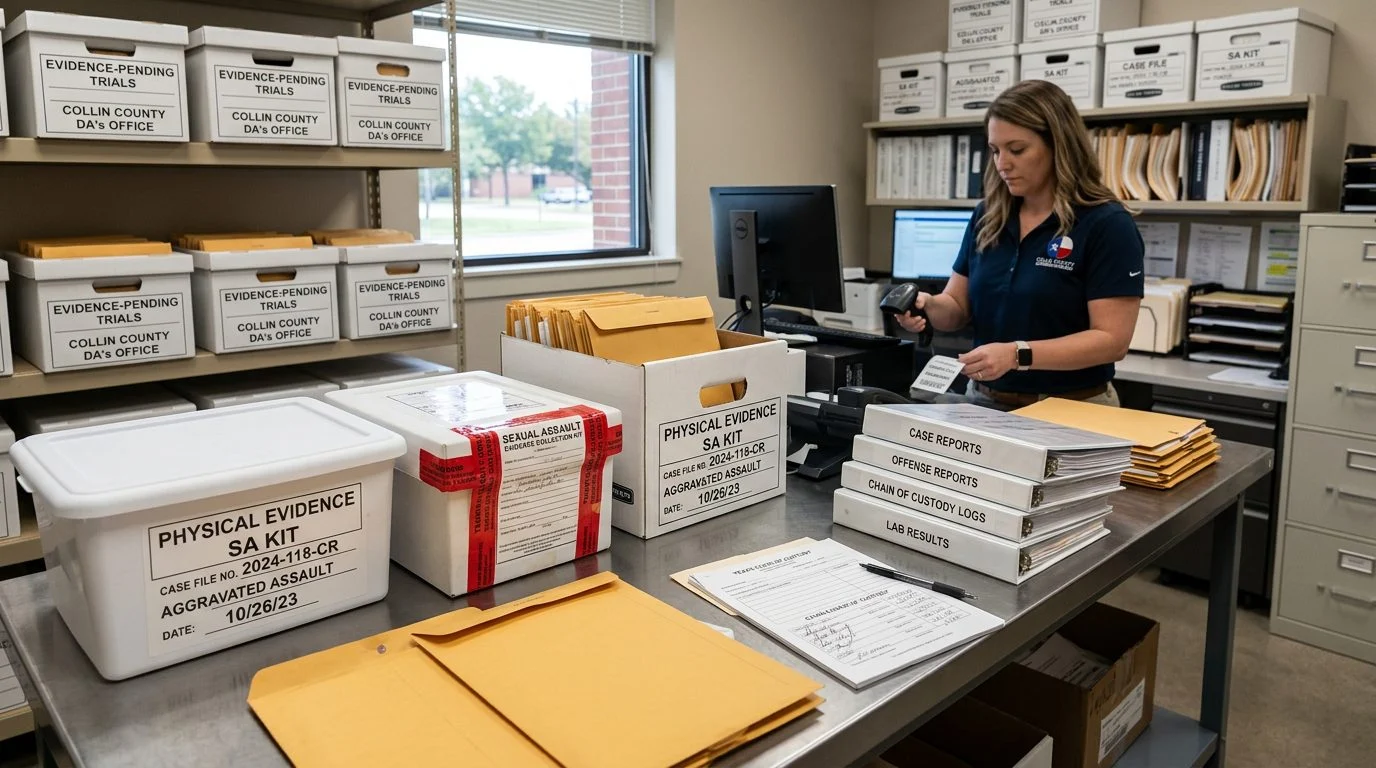
A missing or negative DNA result is one piece of the State’s proof, not the whole case.
The State can build its case from other sources. These often include the complainant’s account, people the complainant told at the time, medical or forensic exam records, messages and the circumstances of the encounter.
A lab result showing no DNA can still be argued more than one way. What was collected and what was tested both shape what the result means. For more, see our aggravated sexual assault DNA evidence guide.
The defense can also request the State’s file. Under art. 39.14 of the Texas Code of Criminal Procedure, subject to the restrictions in Family Code § 264.408 and art. 39.15, on a timely request the State must produce offense reports, statements and designated items material to the case.
How a Texas Defense Tests the Accusation
A defense tests the accusation one claim at a time, against the records and the timeline.
- Consistency. We compare the complainant’s statements to police, medical staff and others over time. We note any change in key details.
- Timeline and location. We reconstruct where you and the complainant were, who else was there, and whether the timing fits the account.
- Messages and records. Texts, call logs and social-media contact from before and after the event can support or contradict the account.
- The forensic file. We review what was collected, what was tested, what was not tested, and what the report does and does not show.
- Consent and circumstances. Under § 22.021(c), lack of consent turns on the same circumstances listed in Section 22.011(b) of the Penal Code. The statute also covers a case where the actor knows the victim is intoxicated or impaired by any substance to the extent the victim is incapable of consenting. We test those facts against your own account.
How the Review Works, Step by Step
The review runs in five steps, from your first conversation to a plain explanation of your options.
- Consultation. You describe what you know and what you have been told. The consultation is confidential.
- Charging papers. We gather the charging documents, any warrant or affidavit, police reports and any statements you have already given.
- Discovery. We request what the State holds and track what is still missing.
- Gap review. We list the conflicts and gaps in the State’s proof and the questions the defense must answer.
- Options. We explain each option in plain language, including what it means for your time and risk.
How long this takes depends on the facts of your case and how quickly records arrive.
What Is at Stake If the Case Proceeds
A first-degree felony carries a sentence of life or 5 to 99 years in prison.
Under Texas Penal Code § 12.32, that range applies, and the court may also impose a fine of up to $10,000.
Registration. Aggravated sexual assault committed by a person 17 or older is a sexually violent offense under art. 62.001. Under art. 62.101(a), the duty to register for that offense generally ends when the person dies if the person has a reportable conviction or adjudication, other than an adjudication of delinquent conduct, except as the statute provides elsewhere.
Beyond the sentence, a conviction can affect work, housing, professional licenses and family life.
Before You Speak to Police: Protective Orders and Contact
The Fifth Amendment protects you from being compelled to be a witness against yourself.
- Miranda warnings. Whether a custodial statement can be used may depend on whether police gave the required Miranda warnings before questioning, subject to exceptions, under Dickerson v. United States.
- Don’t delete, edit or reset messages or accounts.
- Counsel. Under art. 1.051, you may consult with counsel in private before a proceeding.
Avoid discussing the case with the complainant, mutual friends or possible witnesses.
Not sure what your next step is?
Talk it through with our team — the first consultation is free, confidential, and carries no obligation.
Why Barbieri Law Firm Handles These Cases
Barbieri Law Firm is an all-women criminal defense firm in Frisco, Texas. It defends people accused of sex crimes and assaultive offenses across Collin County, Dallas-Fort Worth and Texas.
Heather Jean Barbieri, Board Certified, Criminal Law — Texas Board of Legal Specialization.
Our lawyers are Heather Barbieri and Carrie Thomas. Support staff assist them.
Our approach is to review the evidence, including the forensic file and the account, and to explain your options. No lawyer can promise how a case will end.
Frequently Asked Questions About a Case Without Physical Evidence
Short answers to the questions people ask most often follow.
Can a Texas case go forward without DNA?
Yes.
What happens if I am found guilty?
Aggravated sexual assault is a first-degree felony with a range of life or 5 to 99 years, plus a possible fine of up to $10,000. Registration duties may also apply.
Does a negative lab result prove I am innocent?
No. It is one piece of evidence, and it must be read with the timing, the collection and the rest of the file.
Should I talk to investigators first?
Not before you speak with a lawyer. You have the right to remain silent and to have a lawyer present.
Is the consultation free?
The initial consultation is free, confidential and carries no obligation to continue.
Talk Through Your Own Facts With Barbieri Law Firm
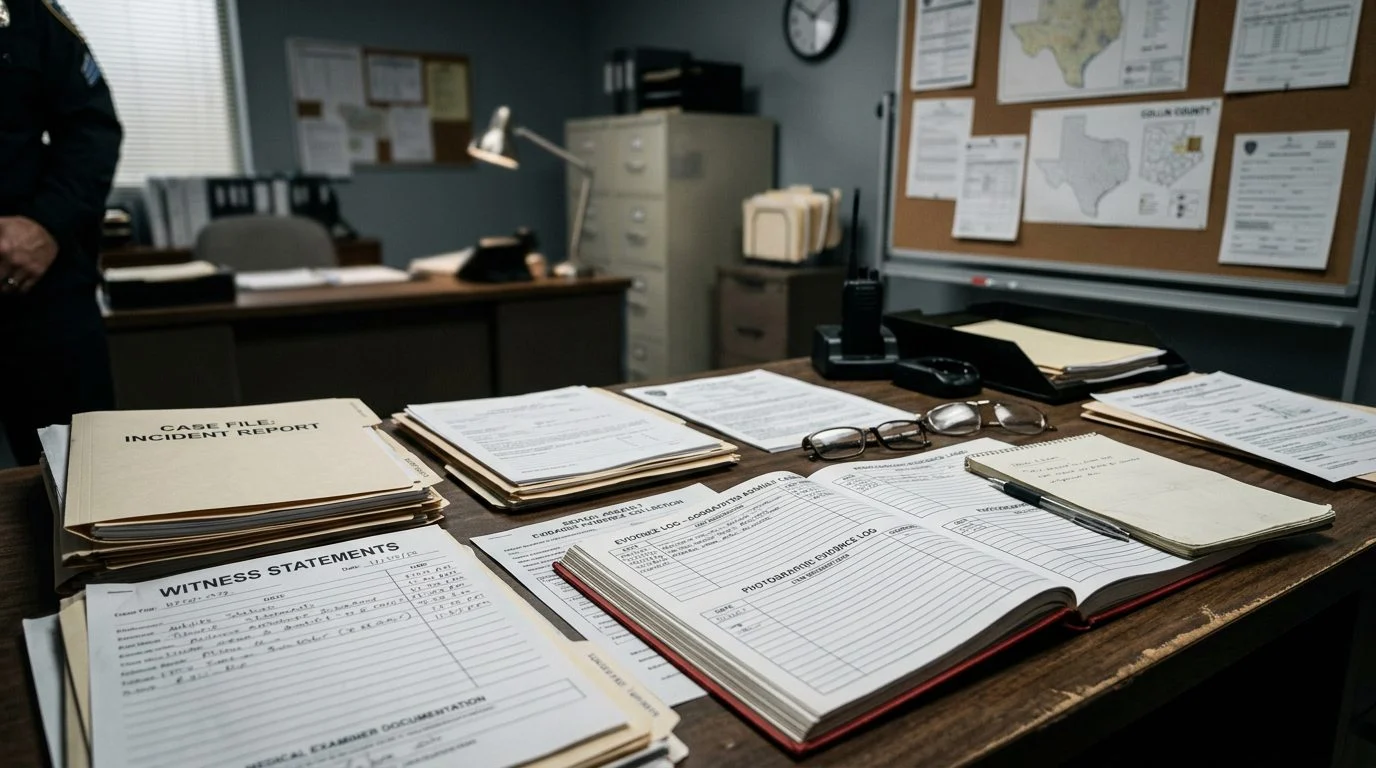
If investigators have reached you and the file is still incomplete, you don’t have to work out what it means alone.
You may be deciding whether to speak to police, how to respond to the complainant’s account, and what to do with your phone and records. Those choices come early, so talking them through now helps.
Call (972) 424-1902 or send your case details through our contact form to schedule a consultation.
Attorney responsible for this site: Heather Barbieri, Barbieri Law Firm, Frisco, Texas.
How our team approaches a case with no physical evidence
We review the complete file
We examine the police reports, witness statements, recordings, messages and any forensic submissions, including what was tested and what was not.
We examine the accusation itself
We look closely at timing, consistency, prior statements and the surrounding circumstances that bear on how the allegation developed.
We explain your options
We walk you through the charge, the evidence the State may rely on and the decisions ahead, in plain language, before you decide anything.
We protect your rights from the start
Early advice matters. We help you understand how to respond to investigators and how to protect your privacy while your case is pending.
Be careful what you say and write
Speak with a lawyer before you respond to police or contact anyone involved.
Types of evidence we review in these cases
Testimony
Accounts from the complainant and other witnesses, including how consistent they are across interviews, reports and court testimony.
Digital communications
Texts, app messages, call logs and social media activity that may show the relationship before and after the alleged event.
Forensic testing
Exam reports and lab submissions, including what was collected, what was tested and what the results do and do not show.
Timeline and context
Where the parties were, who else was present and how the account changed over time, so the full sequence of events is clear.
Talk with Barbieri Law Firm about your case. The initial consultation is free, confidential and carries no obligation to continue.
Related practice areas
Request a Consultation
Fill out the short form and we will take it from there.