

Sexual Assault Defense | Collin County
Arrested on a Sexual Assault Warrant in Collin County?
Understanding your rights and next steps when facing serious criminal charges.
Barbieri Law Firm
Board Certified
Criminal Law by Texas Board of Legal Specialization
All-Women
Criminal defense firm serving Collin County and DFW
By Heather Barbieri · Published October 05, 2026
Will I Be Arrested for a Sexual Assault Accusation in Collin County? How Investigations and Warrants Work
A sexual assault accusation does not automatically result in arrest. Law enforcement must gather evidence and establish probable cause—a reasonable belief that a crime occurred and that you committed it—before making an arrest decision. Understanding how investigations and warrants work in Collin County can reduce the uncertainty and fear that comes with being accused.
Not sure what your next step is?
Talk it through with our team — the first consultation is free, confidential, and carries no obligation.

The Difference Between an Accusation and an Arrest
An accusation alone is not enough to arrest you. Police cannot take someone into custody based solely on a complaint or allegation. Instead, investigators must conduct an investigation, collect evidence, and determine whether probable cause exists. This distinction is critical: the investigation phase is separate from the arrest decision, and not all investigations result in arrest even when a complaint is filed.
The person making the accusation does not decide whether you are arrested. That decision rests with law enforcement, and it depends on what the evidence shows—not on the accuser’s wishes or the severity of the allegation.
How Sexual Assault Investigations Begin in Collin County
When a sexual assault complaint is filed in Collin County, it typically goes to the Collin County Sheriff’s Office or a local police department, depending on jurisdiction. An initial intake officer reviews the allegation and conducts a preliminary assessment. The agency then determines which department will investigate and begins the process of gathering evidence.
Early in the investigation, law enforcement focuses on preserving evidence and identifying witnesses. Investigators will interview the accuser, interview you if you cooperate, and speak with anyone who may have relevant information. They may collect physical evidence, review communications (texts, emails, social media), or request medical examinations if applicable. The investigation timeline varies—simple cases may take days, while complex investigations involving multiple witnesses or forensic analysis can take weeks or longer.
During this phase, you have the right to remain silent and the right to an attorney. Exercising these rights does not require explanation and does not count against you.
Probable Cause and the Decision to Arrest
Probable cause is a legal standard that is lower than proof beyond a reasonable doubt. It means law enforcement has a reasonable belief that a crime occurred and that you committed it. To establish probable cause, investigators gather statements, physical evidence, witness accounts, and other information relevant to the alleged crime.
Not every piece of evidence meets the probable cause threshold. Investigators must weigh the credibility and consistency of the accuser’s account, the strength of any physical or forensic evidence, corroborating witness statements, and the specific facts of the case. Your prior criminal history (if any) may also be considered. The investigator’s assessment of credibility and reliability plays a significant role in whether they believe probable cause exists.
If investigators determine that probable cause does not exist, they may close the investigation without making an arrest. If they believe probable cause does exist, they move forward with an arrest—either with or without a warrant.
Arrest Warrants in Sexual Assault Cases
An arrest warrant is a court order that authorizes law enforcement to take someone into custody. It is not issued based on accusation alone. Instead, a judge or magistrate must review evidence presented by law enforcement and find that probable cause exists before signing the warrant.
Here’s how the warrant process works: Investigators present their findings to a prosecutor or directly to a judge. The judge reviews whether the evidence establishes probable cause that a crime occurred and that you committed it. If the judge finds probable cause, the warrant is issued. If the judge finds insufficient evidence, the warrant is denied. This judicial review is a safeguard—it means a neutral third party must agree that probable cause exists before law enforcement can arrest you.
Warrants are not issued based on the accuser’s statement alone. The judge must find that the totality of the evidence supports probable cause.
The Investigation Process: What Happens Before Arrest
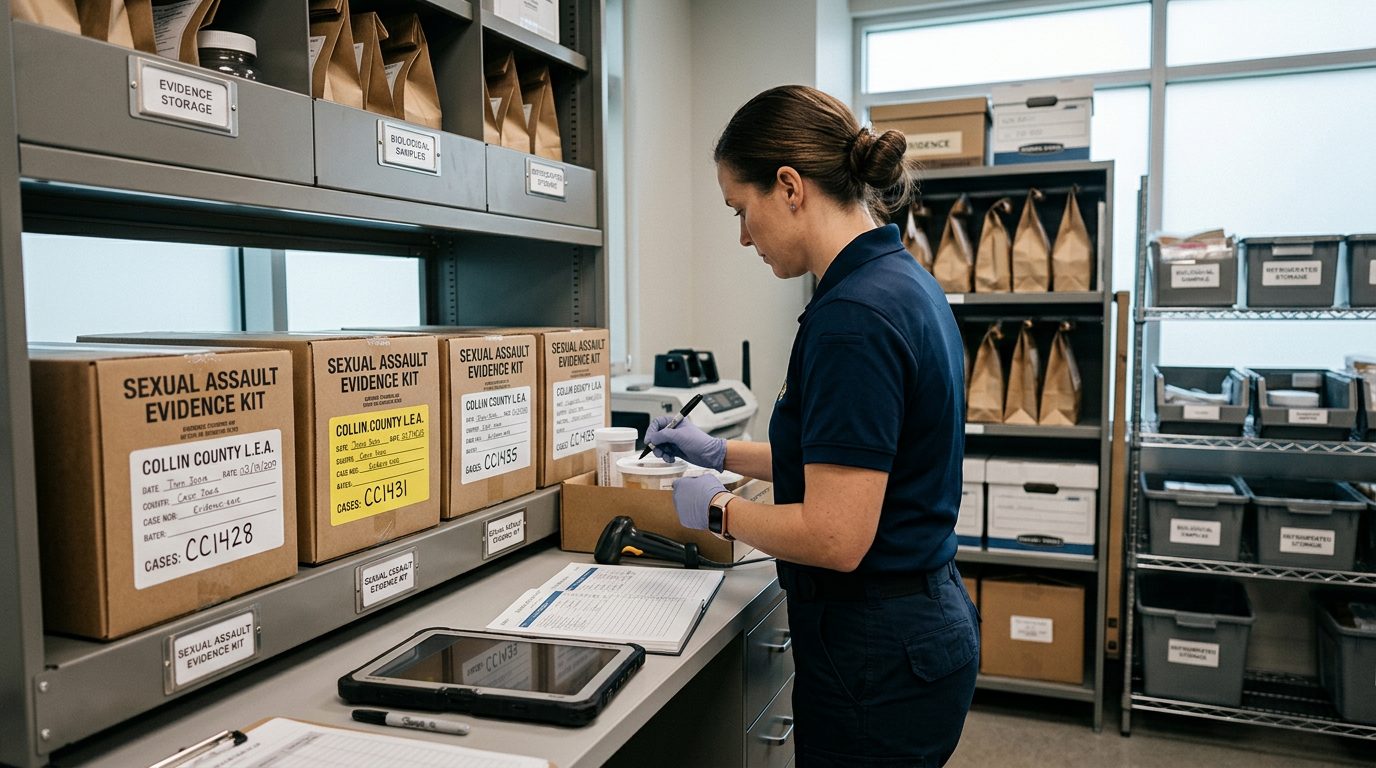
Before arrest, investigators conduct interviews with the accuser, you (if you choose to speak with them), and potential witnesses. They collect and analyze physical evidence, which may include clothing, biological samples, or other forensic material. If the alleged assault involved online conduct, investigators may review digital communications and devices.
In some cases, law enforcement may request a medical examination or forensic evidence collection. Investigators also conduct background checks and review prior history. They assess the consistency of the accuser’s account over time and compare it to statements from other witnesses.
This investigative work takes time. The complexity of the case, the availability of witnesses, and the nature of the evidence all affect how long the investigation lasts. During this time, you are not in custody, though you may be aware that an investigation is ongoing.
Not sure what your next step is?
Talk it through with our team — the first consultation is free, confidential, and carries no obligation.
Arrest Without a Warrant
In most sexual assault cases, arrest occurs with a warrant. However, police may arrest without a warrant if they have probable cause at the scene or if they observe conduct that constitutes a crime. Warrantless arrests are less common in sexual assault cases because these allegations typically involve investigation time rather than immediate police observation.
If you are arrested without a warrant, you must be brought before a judge within 72 hours. This is called the initial appearance. At that hearing, the judge determines whether probable cause existed for the arrest. If the judge finds no probable cause, you must be released.
What Happens After Arrest in Collin County
If you are arrested—with or without a warrant—you will be taken to a police station or jail for booking. During booking, law enforcement records your personal information, the charges against you, and your background. You will be informed of your rights and the charges.
Within 72 hours of arrest, you must be brought before a judge for an initial appearance. At this hearing, the judge informs you of the charges, advises you of your rights, and determines bail or bond. You have the right to be represented by an attorney at this hearing. If you cannot afford an attorney, you may request a court-appointed one.
The bail or bond decision depends on factors such as the severity of the charges, your ties to the community, your employment, your prior criminal history, and whether you are a flight risk. The judge may release you on your own recognizance (no money required), set a bail amount, or deny bail.
Factors That Influence Whether You Will Be Arrested
Law enforcement considers several factors when deciding whether to arrest:
- Strength and consistency of the accuser’s account: Does the accuser’s story remain consistent over time? Are there contradictions?
- Physical or forensic evidence: Is there evidence that corroborates or contradicts the allegation?
- Witness statements: Do other people support or contradict the accuser’s version of events?
- Your prior criminal history: If you have no prior arrests or convictions, this weighs in your favor.
- Statutory elements: Do the facts alleged meet the legal definition of sexual assault under Texas Penal Code § 22.011 or another applicable statute?
- Investigator’s credibility assessment: Does the investigator find the accuser’s account credible and reliable?
Not all investigations result in arrest. If investigators determine that the evidence does not support probable cause, the case may be closed or referred for further investigation.
Your Rights During Investigation and Arrest
You have constitutional rights that protect you throughout an investigation and arrest:
- Right to remain silent: You do not have to answer questions from police or investigators. You can simply say, “I want to speak with an attorney.”
- Right to an attorney: You can request an attorney at any point during questioning. Once you request counsel, police must stop questioning until your attorney is present.
- Right to refuse searches: You can refuse to consent to searches of your home, vehicle, or person (with limited exceptions, such as a search warrant).
- Right to know the charges: You must be informed of the charges against you.
- Right to a bail hearing: You have the right to a hearing where bail or bond is determined, and you have the right to be represented at that hearing.
Exercising these rights does not make you look guilty. It is a standard legal protection, and any competent defense attorney will advise you to invoke these rights immediately.
What You Should Do If You Are Under Investigation
If you know or suspect that you are under investigation for sexual assault in Collin County, take these steps immediately:
- Do not speak to police, investigators, or the accuser without an attorney present. Anything you say can be used against you, even if you believe you are innocent or that your explanation will clear things up.
- Preserve all communications and evidence that may be relevant—texts, emails, social media messages, photos, or other records that show your version of events.
- Document your own account and timeline of events while your memory is fresh. Give this only to your attorney, not to anyone else.
- Avoid discussing the matter on social media or with others. Statements can be discovered and used against you.
- Contact a criminal defense attorney immediately. If possible, reach out before arrest. Early intervention can influence how the investigation proceeds and protect your rights.
An attorney can communicate with investigators on your behalf, request information about the investigation status, and advise you on how to respond to any police contact.
Not sure what your next step is?
Talk it through with our team — the first consultation is free, confidential, and carries no obligation.
The Role of Your Defense Attorney Before and After Arrest
Early intervention by a criminal defense attorney can make a significant difference. Before arrest, an attorney can:
- Request information about the investigation and what evidence law enforcement has gathered.
- Advise you on whether to speak with police (the answer is almost always no).
- Communicate with investigators on your behalf to protect your rights.
- Gather evidence and identify witnesses that support your defense.
- Potentially influence how the investigation proceeds by raising legal issues or challenging the basis for suspicion.
After arrest, your attorney can:
- Represent you at the initial appearance and bail hearing.
- Challenge the basis for the arrest or warrant issuance if probable cause did not exist.
- Negotiate with the prosecutor about bail conditions or potential resolution.
- Protect your rights during all interactions with law enforcement.
- Begin building your defense strategy.
The difference between having an attorney before arrest and waiting until after arrest is significant. Early legal guidance helps you avoid statements or actions that could harm your defense.

Frequently Asked Questions
What is the difference between probable cause and proof beyond a reasonable doubt?
Probable cause is a lower standard. It means law enforcement has a reasonable belief that you committed a crime. Proof beyond a reasonable doubt is the standard used at trial and requires the prosecution to prove guilt so thoroughly that a jury has no reasonable doubt. Probable cause is enough for arrest; proof beyond a reasonable doubt is required for conviction.
How long does a sexual assault investigation typically take in Collin County?
Investigations vary widely depending on the complexity of the case, the availability of evidence and witnesses, and the investigative workload. Some investigations conclude in days or weeks; others take months.
Can I be arrested for a sexual assault accusation without a warrant?
Yes, but it is less common. Warrantless arrests occur when police have probable cause at the scene or observe conduct they believe constitutes a crime. In most sexual assault cases, arrest occurs with a warrant.
What should I do if police contact me about a sexual assault investigation?
Remain calm, do not answer questions, and say: “I want to speak with an attorney.” Then contact a criminal defense attorney immediately. Do not agree to any interviews, searches, or other police requests without your attorney present.
Can an accusation alone result in an arrest warrant?
No. A judge must review evidence and find probable cause before issuing a warrant. An accusation is not enough.
If you’re facing a sexual assault accusation in Collin County and uncertainty about what comes next, Barbieri Law Firm is here to help. Contact us for a free consultation to discuss your situation and learn how early legal intervention can protect your rights.
Act quickly if you've been arrested or served a warrant.
An arrest warrant for sexual assault is a serious matter. The sooner you contact a criminal defense lawyer, the sooner we can begin protecting your rights and reviewing the evidence against you.
What happens after a sexual assault arrest warrant
Probable Cause vs. Proof Beyond a Reasonable Doubt
Law enforcement needs probable cause—a reasonable belief that you committed a crime—to arrest you. At trial, the prosecution must prove guilt beyond a reasonable doubt, a much higher standard. Understanding this difference is crucial to your defense.
Your Rights During Arrest and Questioning
You have the right to remain silent and the right to an attorney. Do not answer police questions without a lawyer present. Anything you say can be used against you in court.
The Importance of Early Legal Representation
The decisions you make immediately after arrest—what you say, what you agree to—can shape your entire case. Having a criminal defense lawyer from the start protects your interests and preserves your options.
Evidence and Investigation
Sexual assault cases often involve complex evidence, witness statements, and forensic findings. A thorough investigation and review of the prosecution's evidence is essential to building your defense.
Why you need a criminal defense lawyer now
Protection of Your Rights
From the moment of arrest, your constitutional rights are at stake. We ensure law enforcement and prosecutors follow proper procedures and that your rights are protected throughout the process.
Investigation and Evidence Review
We examine police reports, forensic evidence, witness statements, and the circumstances of the arrest to identify weaknesses in the prosecution's case.
Communication with Prosecutors
We handle all communication with the district attorney's office, working to explore options and advocate for your interests before trial.
Immediate Action
Sexual assault cases move quickly through the system. Early intervention allows us to preserve evidence, interview witnesses, and prepare your defense strategy.
Facing a sexual assault arrest warrant in Collin County?
Request a Consultation
Fill out the short form and we will take it from there.