


Sex Crimes Defense | Collin County, Dallas-Fort Worth and Texas
Facing an Online Solicitation of a Minor Charge in Texas?
Barbieri Law Firm, an all-women criminal defense firm in Frisco, reviews the messages, the investigation and the evidence, and explains your options from the first call.
By Heather Barbieri · Published October 10, 2026
If you need an online solicitation of a minor defense lawyer in Texas, the first step is understanding what the state must prove. Online solicitation of a minor is a crime under Texas Penal Code § 33.021, and it can be charged even when no meeting ever happens. This page explains the law, how these cases start, the defenses we review, and how the process works. Barbieri Law Firm defends people accused of online sex crimes in Collin County, Dallas-Fort Worth, and across Texas.
What Online Solicitation of a Minor Means Under Texas Law
Online solicitation of a minor is electronic contact with a minor, or someone the accused believes is a minor, for sexual purposes. Under Texas Penal Code § 33.021, a person who is 17 or older commits an offense if, with the intent to commit an offense listed in Article 62.001(5)(A), (B), or (K) of the Code of Criminal Procedure, the person, over the Internet, by email, text message or another electronic message service or system, or through a commercial online service, intentionally communicates in a sexually explicit manner with a minor (an individual younger than 17, or one the actor believes is younger than 17).
The law defines a minor as anyone younger than 17, or anyone the accused believes is younger than 17. That belief language matters. A real child is not always required for the charge to apply.
Penalties depend on the conduct charged and the facts alleged. A communication charge is a third-degree felony, and it becomes second-degree if the minor is younger than 14 or the accused believes so. A felony conviction in Texas can carry prison time and a fine, and the penalty range depends on how the offense is classified. The penalty range for a solicitation-to-meet charge depends on how the offense is classified under Texas law and the facts alleged. School hours can raise the category if the offense happens during school hours and the accused knew or should have known the minor was enrolled.
This page is for people charged or under investigation, and for their families.
Not sure what your next step is?
Talk it through with our team — the first consultation is free, confidential, and carries no obligation.

How These Cases Usually Start
These cases often begin with an undercover sting, a report, or a search of phones and accounts.
- Undercover stings. An officer or volunteer poses as a minor on a messaging app, website, or social platform.
- Reports. A parent, school, or online platform may report messages that start an investigation.
- Warrants. Police may seek warrants for phones, computers, and cloud accounts. We review how any search was carried out and what was collected.
- Interviews. Investigators may ask to talk before or after an arrest. Anything you say can become evidence.
Early choices matter. Deleting messages or contacting the other person can create new problems, even when you meant no harm. Speaking with us before you answer questions or change any account gives you time to understand your options.
What Our Defense Covers
Our defense starts with a full review of the charge, the evidence, and your court dates.
- Charging papers. We review the charging documents and the probable cause affidavit, which explains why police believed the charge was supported.
- Full message history. We examine chat logs, timestamps, images, and who sent each one.
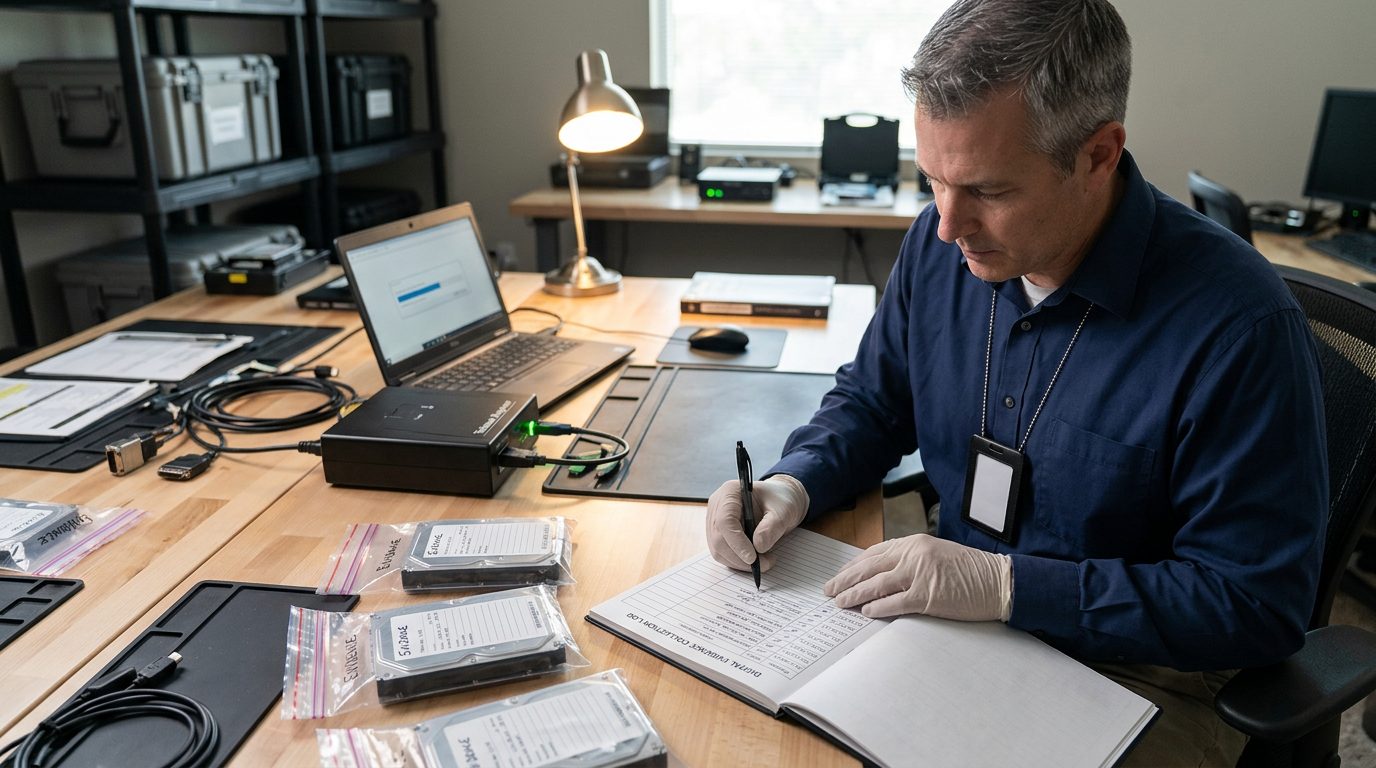
- Digital evidence. We look at device forensics, account ownership, and whether a phone or account was shared or compromised.
- Bond conditions. We address no-contact orders and limits on internet use that can shape daily life.
- Collateral consequences. We review registration, employment, and licensing questions case by case.
- Negotiation and trial. We talk with the prosecutor, file motions, and prepare for trial if the case goes that far.
Each piece can change the options available to you, so we review them together before any decision is made.
Defenses Counsel Evaluates in Online Solicitation Cases
The main defenses turn on intent, identity, age belief, police conduct, and how evidence was gathered.
- Intent. The state must prove intent to commit a listed sexual offense. We look closely at the full context of the conversation.
- Identity. Someone else may have used the phone, account, or login. Shared devices and compromised accounts can raise real questions. The National Registry of Exonerations tracks wrongful convictions, including those tied to false accusations and mistaken identification.
- Age belief. The law looks at what the accused believed about age, along with the actual facts.
- Entrapment. Under entrapment defense rules, entrapment applies when a law enforcement agent induces the conduct using persuasion or other means likely to cause the offense. Giving someone only an opportunity is not entrapment.
- Evidence gathering. We review how searches, warrants, and interviews were handled.
- Solicitation-to-meet defenses. The statute recognizes two defenses: the accused was married to the minor, or was no more than three years older and the minor consented.
No lawyer can ensure a particular result. We weigh each defense against the actual evidence in your case and explain what it means for you.
How the Process Works
When you need an online solicitation of a minor defense lawyer, the process moves from a first contact to evidence review, bond work, and then negotiation or trial preparation.
- Contact. Reach out through our contact form and send your case details.
- Free initial consultation. We review the charge, the arrest or investigation status, and upcoming court dates.
- Evidence review. We go through reports, messages, device data, and warrants to find the issues that matter.
- Bond and conditions. We address release terms, no-contact orders, and internet limits, then explain your options.
- Next phase. Depending on the evidence and your goals, we negotiate, file motions, or prepare for trial.
Timelines vary with the county, the court calendar, and the amount of digital evidence. We explain what to expect for your case.
Why Choose Barbieri Law Firm
Barbieri Law Firm is an all-women criminal defense firm in Frisco, Texas, focused on sex crimes and assaultive offenses.
- Our office in Frisco serves people across Collin County and the wider Dallas-Fort Worth area, as well as clients across Texas.
- We handle online sex crimes, child sex crimes, sex crimes, aggravated sexual assault, aggravated assault, and family violence charges.
- Heather Jean Barbieri, Board Certified, Criminal Law — Texas Board of Legal Specialization.
- Board certification belongs only to Ms. Barbieri, not to the firm as a whole.
- We explain the evidence, the options, and the risks of each path in plain language.
No lawyer can ensure a particular result, but we will review your evidence carefully and explain where you stand.
Not sure what your next step is?
Talk it through with our team — the first consultation is free, confidential, and carries no obligation.
Questions People Ask About Online Solicitation of a Minor Charges
Short answers to common questions are below, though each case turns on its facts.
Can I be charged if I never met the person?
Yes, in some cases. The communication charge does not require a meeting, and a solicitation-to-meet charge applies even if no meeting happens.
Does believing the person was an adult end the case?
Not automatically. The law also defines a minor by actual age, so the facts decide how belief applies.
Should I talk to police before hiring an online solicitation of a minor defense lawyer?
Speaking with a lawyer first is often the safer step. Statements to investigators can be used in your case.
Will I have to register as a sex offender?
Whether registration applies depends on the charge and the outcome. We review that question case by case.
Is the initial consultation free?
Yes. The initial consultation is free, and it’s the first step to understanding your options.
If police have contacted you about messages sent to someone you believed was a minor, you don’t have to face this alone. Call (972) 424-1902 today, and we’ll start reviewing your options with you.
Attorney responsible for this site: Heather Jean Barbieri, Barbieri Law Firm, Frisco, Texas.
How We Approach an Online Solicitation Case
Review of the messages
We examine the full message history, the context around each exchange and the account records the State relies on.
Review of the investigation
We look at how the case began, how the evidence was gathered and whether the process followed the law.
Review of the defenses
We evaluate identity, intent and the facts specific to your situation, then discuss the defenses that may apply.
Clear explanations
We explain the charge, the possible paths forward and what each one would involve, so you can make informed decisions.
Be careful with online communication
Messages, posts and statements about your case can be used by investigators and prosecutors. Speak with a defense lawyer before you respond to anyone about the allegations.
Your Next Steps
Tell us what happened
Send us your case details through our secure form. We will review the information with you in confidence.
Schedule a free consultation
Meet with Heather Barbieri to discuss the charge, the evidence and the questions you have about your situation.
Build your defense
We review the evidence, identify the issues that matter and explain your options before any decisions are made.
Talk with Barbieri Law Firm about your case
Request a Consultation
Fill out the short form and we will take it from there.