

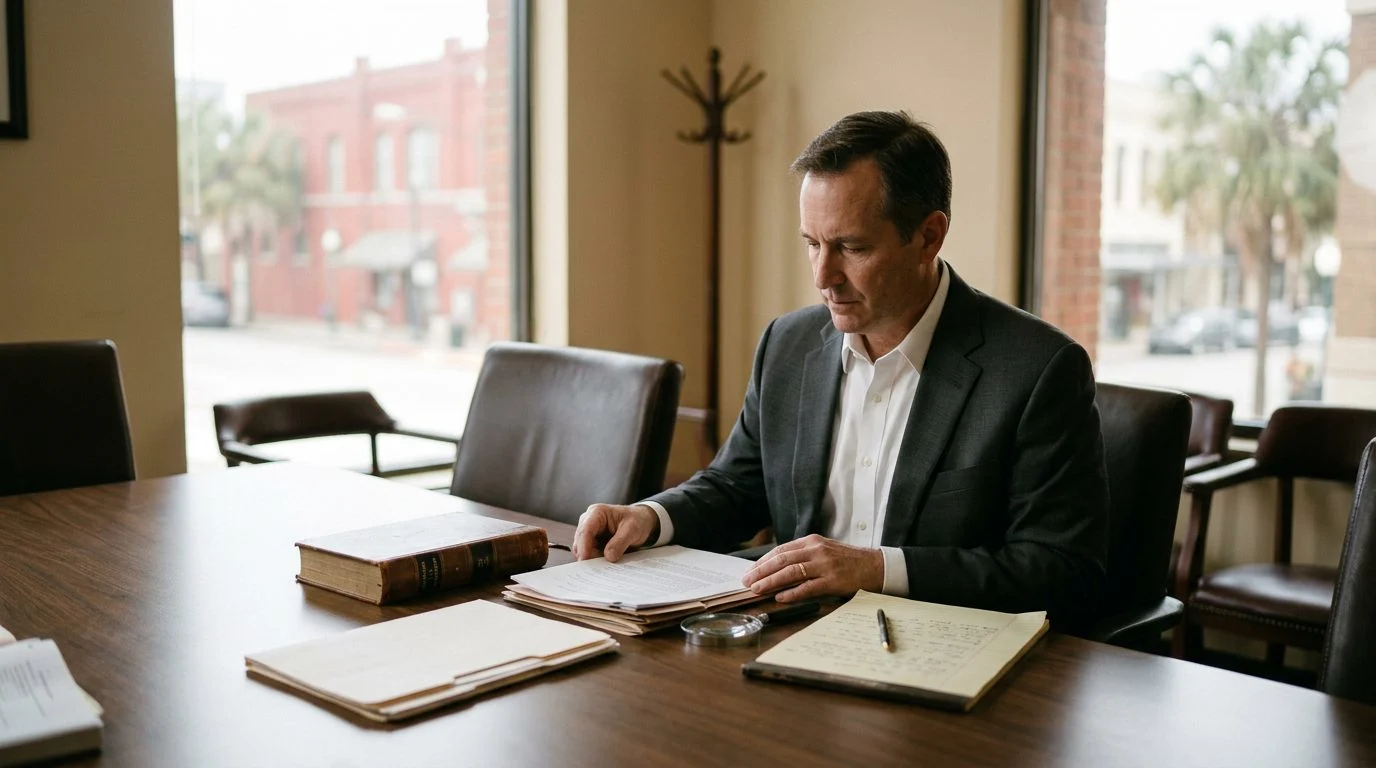
Texas Criminal Defense Guide | Frisco & Collin County
No crime is always the hardest to prove. In Texas, the answer depends on the elements, the evidence and the credibility of the witnesses in each case. Here is how proof works.
By Heather Barbieri · Published October 25, 2026
If you are asking, “What is the hardest crime to prove?”, the direct answer is that no single crime is always the hardest. How hard a charge is to prove depends on the facts, the evidence the state can produce, and what the state must show for that specific offense. This guide explains how Texas criminal cases are built and tested. It is general information, not a prediction about any case.
The short answer: no single crime is always the hardest to prove
No single crime is always the hardest to prove. Proof depends on the case in front of the jury, not on the name of the charge.
Seriousness and provability are different things. A serious felony can rest on strong physical evidence, clear records, and reliable witnesses. A lower-level charge can turn on one disputed statement and very little else. People often assume the most serious charge is the hardest to defend against. That assumption mixes two questions. The first is how serious the offense is. The second is what the state can actually prove.
Three factors shape the answer in most cases. The first is the elements of the offense. The second is the kind of evidence available. The third is how much the witnesses’ accounts can be trusted. Online cases add a fourth question about digital records. The sections below cover each one.
If someone you love has been charged or is under investigation, you don't have to sort it out alone. Our team offers a free, confidential first consultation with no obligation to continue. Talk it through with our team — the first consultation is free, confidential, and carries no obligation.

What the prosecution has to prove
An element is a specific fact the law requires, such as an act, an intent, or the absence of consent.
Take sexual assault as an example. The statute lists several circumstances in which the other person has not consented. One is when the actor knows that person is unconscious or physically unable to resist [Penal Code § 22.011].
Consent has a plain meaning under Texas law. Consent means “assent in fact, whether express or apparent” [Penal Code § 1.07]. Whether consent existed is therefore a factual question. The evidence about it is what the jury weighs.
Why some offenses are harder for the state to prove
Cases with little physical evidence often depend heavily on testimony. When there are no independent witnesses and no records, the case may come down to one person’s account against another’s. The jury then has to decide who to believe.
Delayed reporting adds its own problem. Time can make it harder to collect physical evidence and pin down a timeline. Details fade, and records can be lost or overwritten. These points do not prove anything about a particular case. They do affect what the state can show.
Consent can also be a defense in some assault cases. The victim’s effective consent, or the actor’s reasonable belief that the victim consented, is a defense to assault, aggravated assault, or deadly conduct if the conduct did not threaten or inflict serious bodily injury, or if the victim knew the conduct was a risk of his occupation, recognized medical treatment, or a scientific experiment conducted by recognized methods, but it is not available if the offense is committed as a condition of the defendant’s or the victim’s initiation or continued membership in a criminal street gang [Penal Code § 22.06]. That line matters. The facts decide which side of it a case falls on.
Circumstantial cases ask the jury to draw inferences from facts instead of from a direct witness. Each inference must be supported by the evidence. If one link in that chain is weak, the state’s case has a weak point.
Which types of evidence carry the most weight
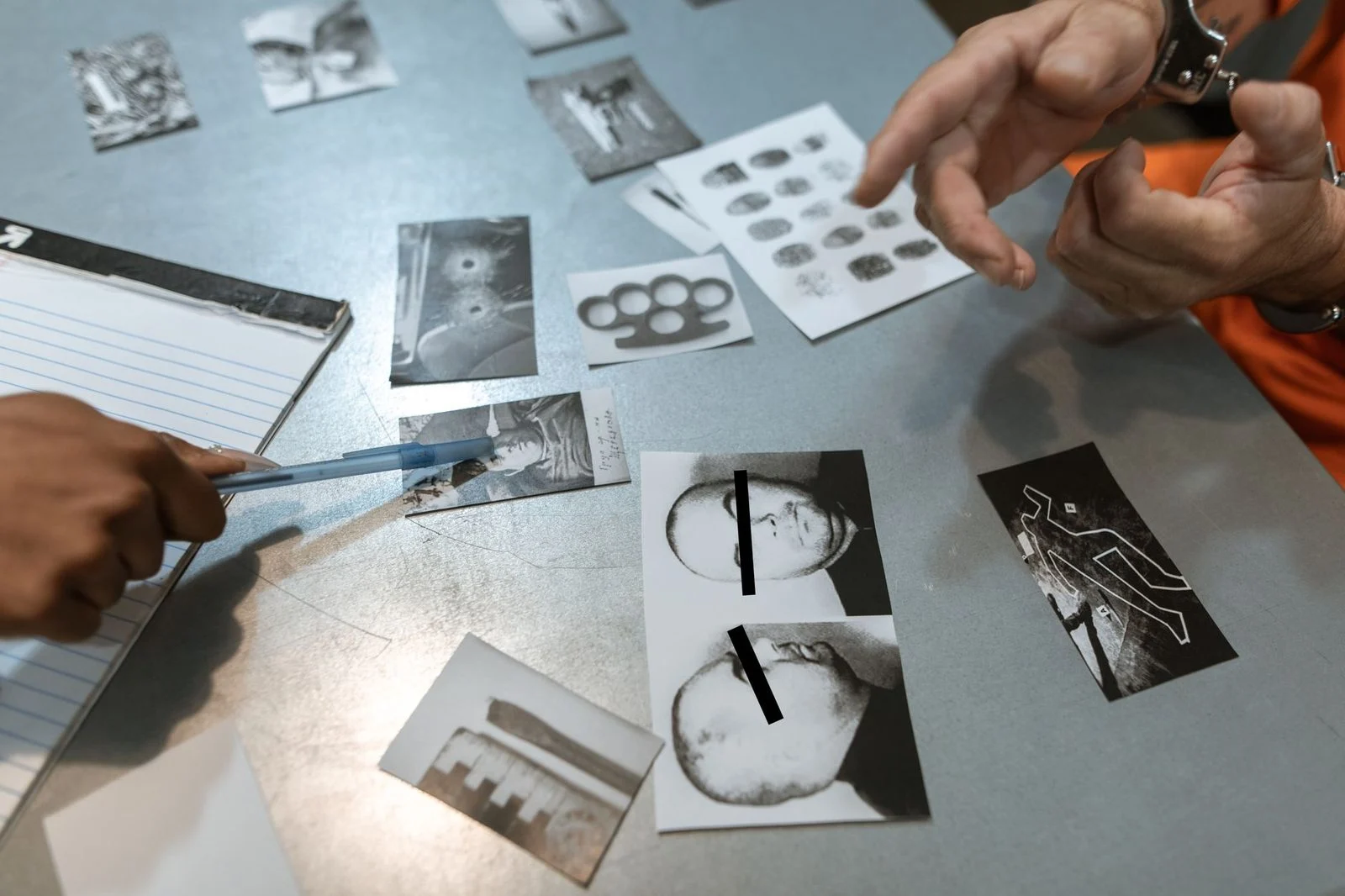
Evidence falls into a few broad groups. These are testimony, physical or forensic evidence, documents and records, digital data, and circumstantial evidence. Each group can be strong or weak, depending on how it was handled.
Evidence that can be checked against something else often carries more weight than an account that stands alone. A message log that matches a timeline is different from a story with no outside support. Corroboration means other evidence points the same way.
No single type decides every case. Juries weigh the whole record together. A strong piece of evidence can still be challenged. A modest piece can gain weight when it fits with the rest.
How evidence was collected, stored, and read also matters. A test result, a photograph, or a file is only as reliable as the steps that produced it. Gaps in those steps are where many cases get examined closely.
Theft shows how intent works. Texas theft requires that a person unlawfully appropriate property with intent to deprive the owner of it [Penal Code § 31.03]. The state must establish both intent and unlawfulness. Often, those facts come from surrounding circumstances, so the full record gets close attention.
Why digital evidence raises its own questions in online sex crimes cases
Digital records can show that a file, account, or message existed. The harder question is who created or sent it.
Under Subsection (c) of Penal Code § 33.021, online solicitation of a minor requires that a person, over the Internet or by electronic message, knowingly solicit a minor to meet another person, including the actor; Subsection (b) separately covers a person 17 or older who, with the intent to commit an offense listed in Article 62.001(5)(A), (B), or (K) of the Code of Criminal Procedure, intentionally communicates in a sexually explicit manner with a minor or distributes sexually explicit material to a minor. The solicitation must carry intent that the minor engage in sexual contact, sexual intercourse, or deviate sexual intercourse Penal Code § 33.021. The statute also defines “minor” to include someone the actor believes to be younger than 17.
Attribution questions come up often in digital cases. Who had access to the device or account? Were passwords shared? Did other people use the same network? Each question has a factual answer that the record must support.
Forensic extraction, metadata, timestamps, and chain of custody are areas where methods can be examined. Metadata is data about a file, such as when it was created. Chain of custody records who handled evidence and when. Gaps or inconsistencies in these records can matter.
Some cases begin with a report to an outside group. The National Center for Missing & Exploited Children says suspected online exploitation may be reported through its NCMEC CyberTipline. It reviews tips and refers them to law enforcement for possible investigation. A tip starts a process. It does not decide who sent what.
Texas also has a specific statute covering online solicitation of a minor, Penal Code § 33.021. Under Subsection (d) of Penal Code § 33.021, it is not a defense to prosecution under Subsection (c) that the meeting did not occur. A summary of a digital file can leave out the details that matter, so a full review is important.
How defense lawyers test the state’s proof
Defense lawyers test each element and each piece of evidence against the full record. They start with the record, not a conclusion.
They look at how physical and digital evidence was obtained, handled, tested, and read. A collection step, a storage gap, or an unexplained change can raise real questions. Those questions go to what the evidence shows.
They also examine witness credibility. Consistency across statements, timing, possible motive, and the surrounding record all matter. A witness’s account is tested against documents, messages, and other witnesses.
Defense counsel may also present alternative explanations the jury can consider. A message, a photo, or a timeline may fit more than one story. Laying out those explanations can show where the state’s proof is incomplete or unclear.
These steps connect to reasonable doubt. No lawyer can say how a jury will decide, and no outcome is assured.
Not sure what your next step is?
Talk it through with our team — the first consultation is free, confidential, and carries no obligation.
Charges the firm defends in this area
Barbieri Law Firm is an all-women criminal defense firm in Frisco, Texas, led by Heather Barbieri. The firm defends people accused of sex crimes and assaultive offenses. It serves clients in Collin County, the Dallas-Fort Worth area, and across Texas, including Prosper, Celina, and Southlake.
The firm’s criminal defense work includes:
- Sex crimes defense
- Aggravated sexual assault defense
- Child sex crimes defense
- Online sex crimes defense
- Aggravated assault defense
- Family violence defense
- Theft defense for students and non-citizens
Readers who want a broader overview of charges, the legal process, and defense approaches can read the firm’s online sex crimes defense material. Our team reviews the evidence in each matter, including digital records, before discussing options.
If this is happening to someone you care about
If you are reading this for a family member, partner, or friend, you may feel scared and short on answers. That is a normal place to start. General information can help you understand what the state may have to prove.
Every case turns on its own facts, evidence, and record. What looks clear from the outside can look different once the evidence is reviewed.
What is the hardest crime to prove?
No single crime is always the hardest. The answer depends on the elements, the evidence, and the credibility of the witnesses in each case.
Does a digital file prove who sent it?
Not by itself.
Is circumstantial evidence part of a case?
It can be. Each inference the jury draws must rest on the evidence.
Who carries the burden of proof in Texas?
If someone you care about has been charged or is under investigation, you can share what you know with Barbieri Law Firm. The firm offers a free, confidential initial consultation with no obligation to continue. Call (972) 424-1902 or send your case details through the contact form.
Attorney responsible for this site: Heather Barbieri, Barbieri Law Firm, Frisco, Texas.
What Shapes Proof in a Texas Criminal Case
The Elements of the Charge
Reviewing each one shows where the evidence is strong and where it is thin.
Witness Credibility
Prosecutors and juries weigh what witnesses say against the rest of the evidence. Inconsistencies, motives and timing can all matter.
Circumstantial Evidence
Proof is often built from many smaller facts rather than one direct piece of evidence. Each fact is examined on its own and as part of the whole.
Digital Evidence
Texts, photos, videos and account records need context. We review where a file came from, who had access to the device and when it was created.
Key Point
A screenshot, text message or recording is not automatically proof of who wrote it, who was present or what happened.
Common Questions About Proof
Does a digital file prove who sent it?
Not by itself. A message, photo or account record usually needs supporting facts, such as device access, timing and other corroborating evidence.
Is circumstantial evidence part of a case?
It can be. Circumstantial evidence is reviewed alongside everything else in the file, and its weight depends on the facts.
Why does witness credibility matter?
Statements are compared with the physical and digital evidence. Gaps, changing accounts and conflicting details can be important to the defense.
What should I do first?
Write down what you remember while it is fresh, keep any records you have, and speak with a lawyer before giving a statement to anyone.
Talk With Our Team About Your Case. Your First Consultation Is Free, Confidential and Comes With No Obligation to Continue.
Related practice areas
- Online Sex Crimes Defense Lawyer | Collin County & Texas
- Sex Crimes Defense Lawyer in Prosper
- Sex Crimes Defense Lawyer in Celina
- Sex Crimes Defense Lawyer in Southlake
Request a Consultation
Fill out the short form and we will take it from there.