


Spousal Sexual Assault Charge Defense | Frisco, Texas
Charged With Sexual Assault of a Spouse in Texas? Start With a Private Conversation.
Barbieri Law Firm defends people accused of sex crimes and assaultive offenses in Collin County, Dallas-Fort Worth and across Texas.
By Heather Barbieri · Published November 15, 2026
Spousal Sexual Assault Charge Defense in Texas
Spousal sexual assault charge defense in Texas starts with one question: what must the State prove? Being married does not answer that question. In a case involving an adult complainant, the State generally must show that the sexual act happened without consent.
If you have just learned of this accusation, this guide explains the charge, the first days, and what is at stake for your job and family. Barbieri Law Firm is a criminal defense firm in Frisco, Texas. It defends professionals accused of sex crimes and assaultive offenses across Collin County, Dallas-Fort Worth and Texas.
If an accusation from your spouse has you facing a detective, a protective order or a warrant, you don't have to sort it out alone. Our team can talk through your options with you. Talk it through with our team — the first consultation is free, confidential, and carries no obligation.
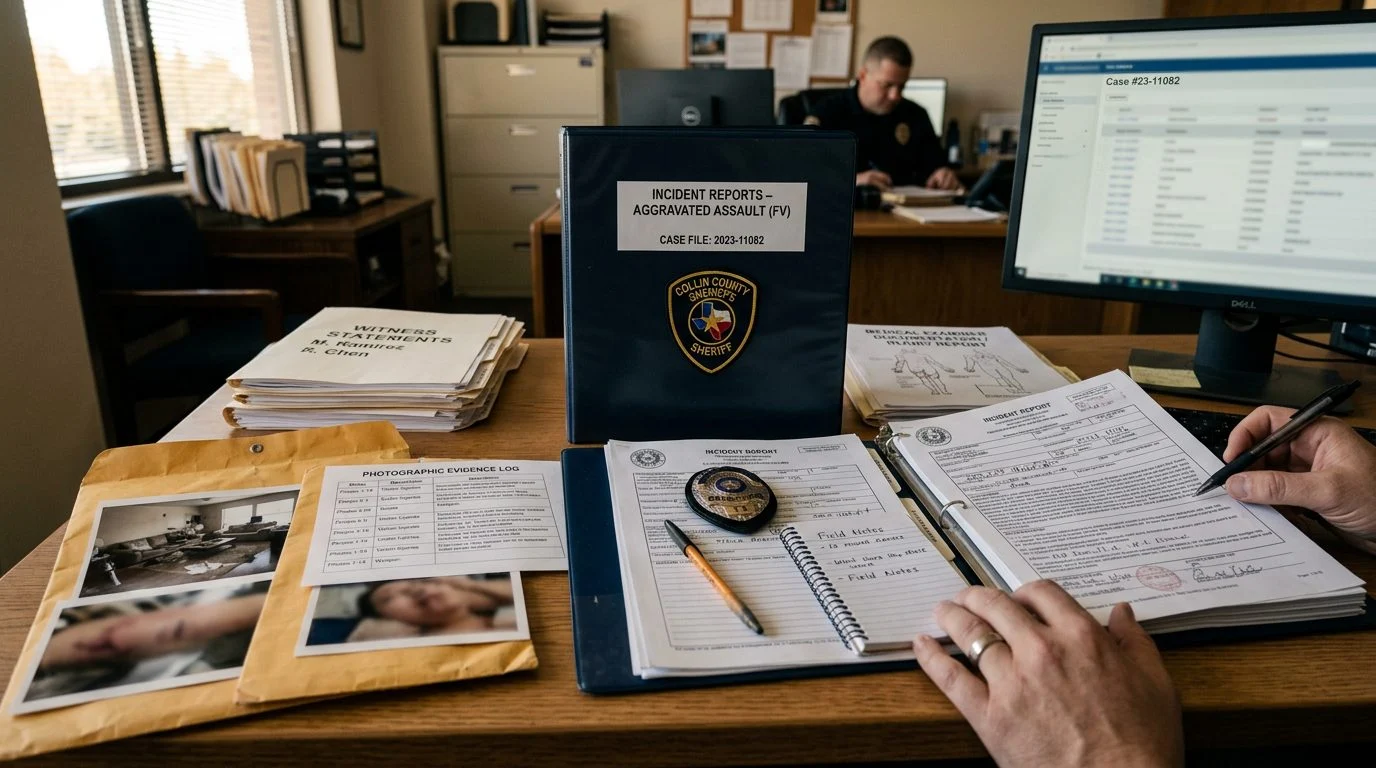
What a spousal sexual assault charge means in Texas
A spousal sexual assault charge is a sexual assault charge against a married person. The marriage does not change what the State must prove.
Whether the act was without consent under that law may be one question in the case, alongside other elements and the child-victim provisions.
Many spousal cases also carry a family violence allegation. Under Texas Family Code § 71.004, family violence includes an act by a member of a family or household against another member that is intended to result in physical harm, bodily injury, assault, or sexual assault, but does not include defensive measures to protect oneself. It also includes a threat that reasonably places the member in fear of imminent physical harm, bodily injury, assault, or sexual assault. If a court finds the offense involved family violence, Texas Code of Criminal Procedure art. 42.013 requires an affirmative finding. That finding goes into the judgment.
Cases start in different ways. An accusation can arise in different ways, such as a single disputed night, a pattern alleged during separation or divorce, or a report made after an argument.
The first days after the accusation
The first days matter because early steps can shape what comes next. The first contact may come as a detective’s call, a visit to your home or office, a protective order served on you, or an arrest warrant.
- Talk to a lawyer before any statement. A statement given early, without advice, can shape the case later.
- Don’t contact the accuser about the accusation. Keep the matter off social media and out of work conversations.
- Review bond conditions before the first court date. Bond conditions often come up quickly after arrest.
At a first appearance after arrest, a magistrate may issue an emergency protection order. That is possible for a family violence offense or a sexual assault offense (art. 17.292). Its required warning says a violation can bring a fine of as much as $4,000, jail for as long as one year, or both.
A protective order can bar contact and going near the home or workplace (art. 7B.005). If a court finds family violence in a protective order, it must suspend a handgun license held by that person (§ 85.022).
How the State builds the case and what the defense reviews
A spousal case often rests on messages, records and what each person told others. The timeline is central. The State may use texts, call logs, photos, medical or forensic records, and statements to family, friends or coworkers.
Divorce, custody or financial filings can sit beside the criminal case. These records can show timing and what was said earlier, so they need careful review.
We review the police report, any forensic findings and any recording of a statement before advising you. We build the timeline from the first call. We look at prior communications, the context of the relationship, and whether the account changed over time.
On consent, Texas law lists specific circumstances in which a sexual assault is treated as occurring without consent. It also looks at what the messages and conduct around the event show. We will review the evidence and explain your options before you decide what to say.
Penalties and what a conviction would cost beyond the sentence
Sexual assault and aggravated sexual assault both carry prison terms and fines. Aggravated sexual assault is a first-degree felony, which carries the higher range.
- Second-degree felony punishment range: if the charge is a second-degree felony, 2 to 20 years in prison and a fine up to $10,000 (§ 12.33).
- First-degree felony: life, or 5 to 99 years, and a fine up to $10,000 (§ 12.32).
- Aggravated sexual assault: a first-degree felony under § 22.021. Aggravating facts include serious bodily injury and use of a deadly weapon.
A sexual assault conviction can also bring registration duties. Texas defines “sexually violent offense” to include sexual assault and aggravated sexual assault committed by a person 17 or older (art. 62.001). Chapter 62 sets the rules that follow.
Many professionals worry about licensing boards, employers and family court. Those effects are separate from the sentence. What they look like turns on the charge, the outcome and the rules for your profession.
What to expect: the process
The process moves through five steps. The pace is set by the case and the court’s calendar.
- First consultation. We review the accusation, the paperwork and any immediate deadlines. The first consultation is free, confidential and carries no obligation to continue.
- Evidence review. We go through reports, messages and any statement already given. Then we explain your options.
- Bond and protective order work. We address conditions that affect your home, work, firearms and children.
- Investigation and negotiation. We handle motions and talks with the prosecutor where the facts support them.
- Resolution. The case may end by dismissal, plea or trial. Each path is explained with its consequences.
The Texas Attorney General’s Crime Victims’ Rights page describes the rights of crime victims.
Not sure what your next step is?
Talk it through with our team — the first consultation is free, confidential, and carries no obligation.
Why Barbieri Law Firm for this charge
Barbieri Law Firm is an all-women criminal defense firm in Frisco, Texas. It defends professionals accused of sex crimes and assaultive offenses.
- Founding attorney: Heather Jean Barbieri, Board Certified, Criminal Law — Texas Board of Legal Specialization.
- Lawyers include: Heather Barbieri and Carrie Thomas. Our support staff works alongside them.
- Approach: We review the evidence with you, explain your options and keep you informed. Where you choose, we can talk with family members.
- Confidentiality: What you tell us is confidential.
No lawyer can say in advance how a case will end. The firm’s role is to review the facts and explain the choices.
Questions a professional asks before calling a lawyer
Here are the questions a professional often asks first.
Should I explain what happened to the detective?
Talk with a lawyer first. A lawyer can advise you on what, if anything, to say and when.
Will my employer be told?
Whether and when your employer learns of the case depends on the facts. Ask us how to plan for work contact.
Can my spouse drop the charge?
Ask your lawyer how the accuser’s wishes fit into the case. Don’t assume the case ends because the accuser changes their mind.
Do I need to move out?
A protective order can bar you from going near the home. Ask your lawyer what the court’s order requires before you decide.
What if I don’t know what the accuser will claim next?
We organize the facts and the timeline from your first call. That gives you a clear record to work from.
Talk with a Texas defense lawyer before you say anything else
You can talk with a defense lawyer before you say anything else about this accusation. You may be watching your family take in this news, worrying about your license and job, and unsure what to say to police or anyone else. That is a hard place to decide alone.
Call (972) 424-1902 or send your case details through our contact page. We will review the facts and your options with you.
No lawyer can say in advance how a case will end.
Attorney responsible for this site: Heather Barbieri, Barbieri Law Firm, Frisco, Texas.
How our team approaches a spousal sexual assault case
Protecting your rights from the first call
We advise you on what to say to police, prosecutors and others, and when, before your statements shape the case.
Reviewing the evidence
We review police reports, statements, messages, medical records and any recordings, then explain what each item means for your options.
Planning for the people in your life
We help you think through contact with family, your home and your workplace while the case is pending.
Candid answers about your options
Results depend on the facts, and no honest lawyer can predict them. We explain the realistic paths forward so you can make informed decisions.
Think before you speak about the allegation
Talk with a lawyer before you give any account of what happened.
Questions people often ask when a spouse makes an allegation
Contact with your spouse
We explain what applies to your case and how to follow it.
Children and the family home
Questions about living arrangements, custody and access to the home often arise quickly. We help you address them with the criminal case in mind.
Work and reputation
Whether and when an employer learns of a case depends on the facts. We help you plan for work contact and for questions from others.
What to tell investigators
Talk with a lawyer first. We advise you on what, if anything, to say to investigators and when to say it.
Call (972) 424-1902 to discuss your case confidentially. The first consultation is free, confidential and carries no obligation to continue.
Related practice areas
- Online Sex Crimes Defense Lawyer
- Workplace Sexual Assault Accusation Defense Lawyer in Texas
Request a Consultation
Fill out the short form and we will take it from there.