

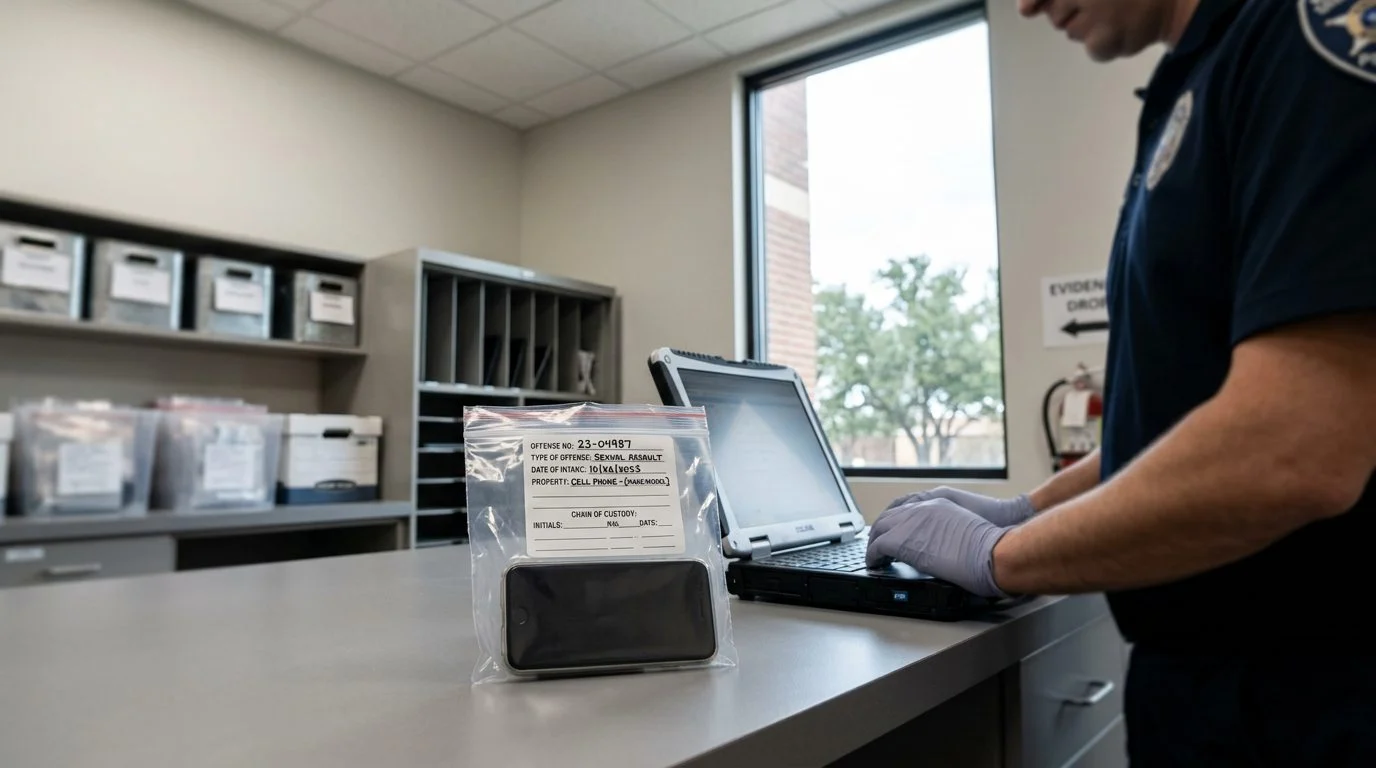
Sex Crimes Defense | Collin County and Dallas-Fort Worth
Your Phone Was Seized After an Accusation? Speak With a Criminal Defense Lawyer Early.
A phone can hold messages, photos and app data that become central to a case. Our all-women Frisco firm reviews how the device was taken and what may happen to its contents next.
By Heather Barbieri · Published November 17, 2026
If police took your phone after someone accused you of sexual assault, you likely have urgent questions. In Texas, police generally need a warrant before they search the data on a phone. Taking a phone and searching it are two separate steps, and the law treats them differently. This page explains what that means for you, in plain terms.
What a Phone Seizure Means After a Sexual Assault Accusation
A seizure means police have taken your phone, while a search means they are looking through what is stored on it.
A phone holds a large amount of personal data, so the gap between those two steps matters. Police may hold a phone while they seek a warrant. The U.S. Supreme Court said officers may seize and secure a phone to prevent destruction of evidence while they seek that warrant. Looking through the data is the step that needs the warrant. Riley v. California
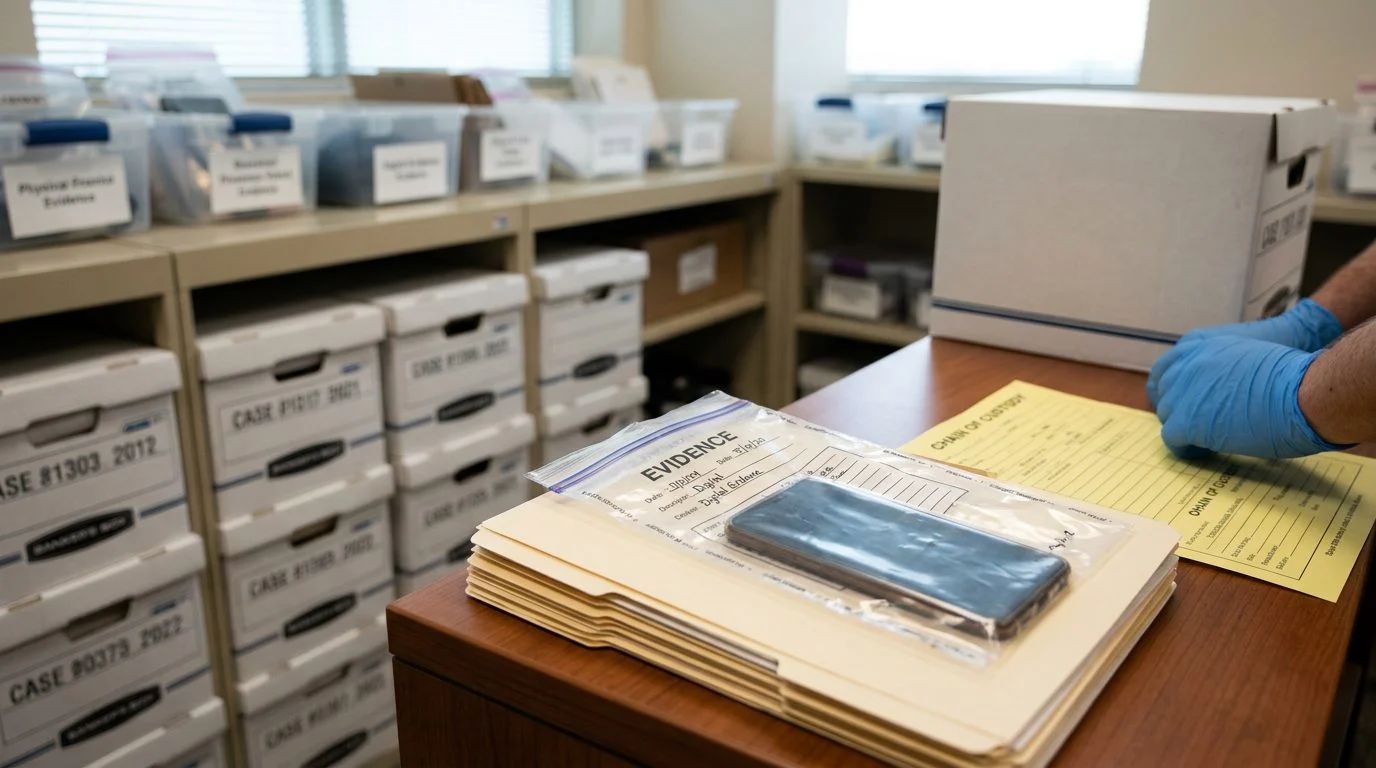
When officers take property under a warrant, they must prepare a written inventory and give a copy to the owner or the person in possession. Texas Code of Criminal Procedure Art. 18.06 Keep that paper, because it records what was taken.
You may be the person accused. You may also be learning about the seizure from someone close to you. Early questions are normal, and you don’t need every answer yet.
If police took your phone after an accusation, you don't have to face the warrant and the next steps alone, so send us your case details. Talk it through with our team — the first consultation is free, confidential, and carries no obligation.
When Police Need a Search Warrant to Search Your Phone in Texas
In most cases, police need a search warrant before they search a phone, even when the phone was taken during an arrest. The U.S. Supreme Court held that a warrant is generally required in that situation. As the Court explained in Riley v. California, 573 U.S. 373, 401 (2014), the holding is not that information on a cell phone is immune from search; it is that a warrant is generally required before such a search, even when a cell phone is seized incident to arrest. Riley v. California
Texas law follows the same basic rule. Under Texas Code of Criminal Procedure Art. 18.0215, an officer may not search a phone taken in a lawful arrest without a warrant under that article. The statute lists exceptions, including consent, a phone reported stolen, and an immediate life-threatening situation.
A warrant application must be written, signed and sworn before a judge. It must identify the phone, name its owner or possessor, and state facts showing probable cause. Under Texas Code of Criminal Procedure Art. 18.01, except as otherwise provided by the code, the sworn affidavit becomes public once the warrant is executed.
When defense counsel reviews a warrant, these points matter most:
- The facts claimed as probable cause, and whether they support a search of this phone. Texas Code of Criminal Procedure Art. 18.01 reads: “(b) No search warrant shall issue for any purpose in this state unless sufficient facts are first presented to satisfy the issuing magistrate that probable cause does in fact exist for its issuance.”
- Which device and which data the warrant names.
- Whether the request is limited or broad.
- Whether the search stayed within the warrant’s terms.
Texas Code of Criminal Procedure Art. 38.23 provides that evidence obtained in violation of the Constitution or laws of Texas or the United States is generally not admissible against the accused at trial, subject to a narrow exception for evidence obtained by an officer acting in objective good faith reliance on a warrant issued by a neutral magistrate based on probable cause.
What Investigators Look for on a Phone
Investigators often look for messages, call logs, photos, video, location history and app data linked to the accusation. Forensic tools can also recover items that were deleted.
A forensic extraction can copy far more than the items named in a warrant. That is why the scope of the warrant matters. Timestamps and message threads help build a timeline, and a timeline can often be read in more than one way. Messages with the complainant, sent before or after the events, are commonly examined.
Location records held by the phone company are a separate question. The U.S. Supreme Court held that police generally need a warrant to get a person’s historical cell-site location records, and it called its decision narrow. Carpenter v. United States
Timing matters too. If a warrant is issued to search for and seize data or information contained in or on a phone or other electronic device, and police seize the device before the warrant’s time runs out, the warrant counts as executed, and the data can be analyzed later. Texas Code of Criminal Procedure Art. 18.07
How We Review the Seizure, the Warrant and the Search
Our lawyers review the seizure, the warrant papers and the search itself to check whether the search stayed within what the warrant allowed.
- The sworn affidavit and the facts claimed as probable cause
- The warrant, the device it names and its scope
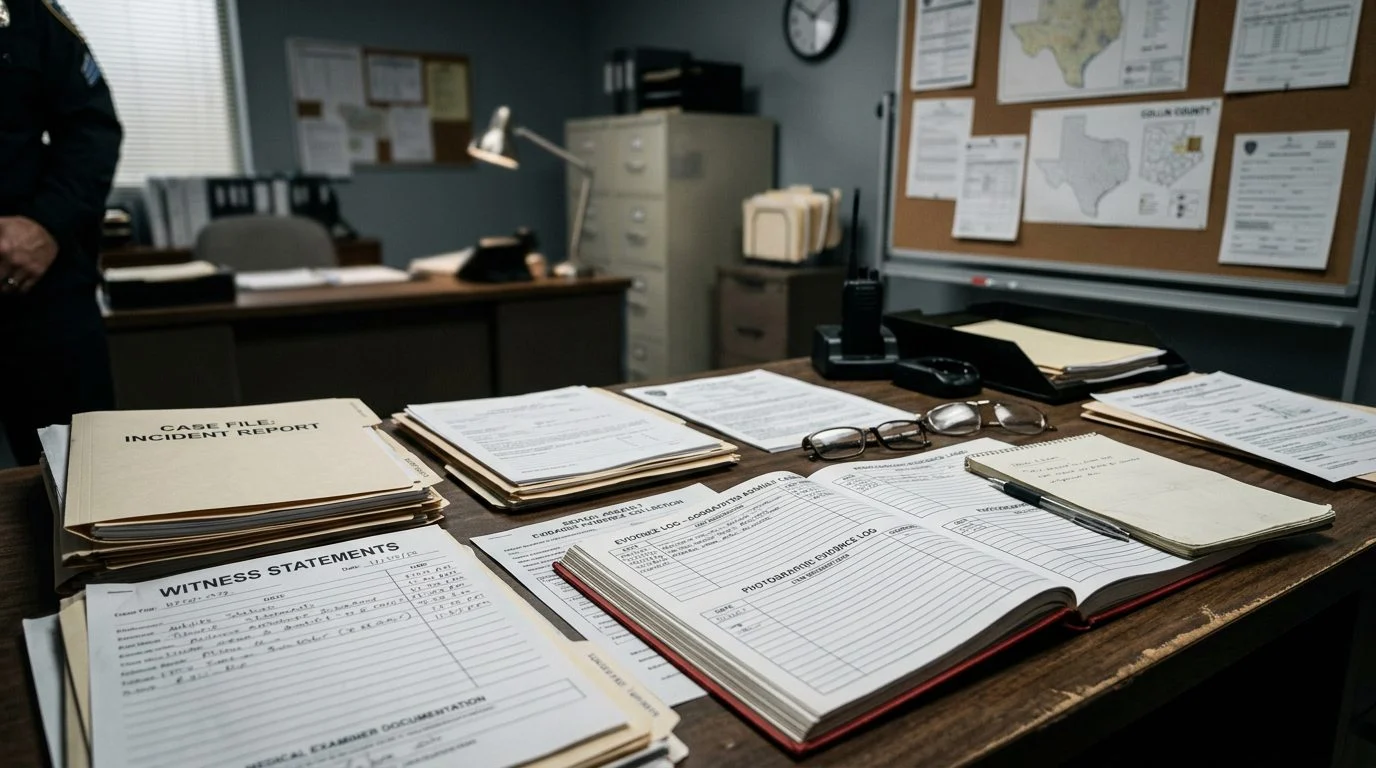
- The inventory and the chain of custody for the phone
- Any extraction report and the tools used to make it
Our lawyers, Heather Barbieri and Carrie Thomas, look for gaps in probable cause, overbroad requests, stale information, and statements that do not match the records.
On a timely request, and subject to the restrictions in Section 264.408, Family Code, and Article 39.15, the state must produce items that are material to the case, not otherwise privileged, and in its possession. Texas Code of Criminal Procedure Art. 39.14 That is how defense counsel requests the underlying records.
Once we have those records, we explain your options in plain terms. Those options can include asking the court to keep evidence out and asking for the full extraction report. We explain the trade-offs of each choice.
What to Expect: Step by Step
The process moves from your account of events to document review, and then to a decision about next steps. Each stage is explained before the next one begins.
- Share what you know. Tell us the date of the seizure, the agency involved and any paperwork you received. You also have a right to consult with counsel in private before a proceeding, under Texas Code of Criminal Procedure Art. 1.051.
- We review the records. We review what you have and request what we need, such as the warrant, the affidavit and the extraction report.
- We meet to discuss options. We go over the evidence, the charges under review and your options. You don’t have to decide on the spot.
- We act on your decision. If you choose to go forward, we file the motions and discovery requests that fit your case and keep you informed at each stage.
Timing varies by county and by how quickly agencies and courts produce records.
Why Barbieri Law Firm for Device Evidence Cases
Barbieri Law Firm is an all-women criminal defense firm based in Frisco, Texas. It serves people accused of sex crimes and assaultive offenses across Collin County, Dallas-Fort Worth and Texas.
- Heather Jean Barbieri, Board Certified, Criminal Law — Texas Board of Legal Specialization.
- Our lawyers are Heather Barbieri and Carrie Thomas. Our support staff handle assistant and office work.
- Our practice includes online sex crimes defense, an area where phone and computer evidence often comes up.
The initial consultation is free, confidential, and carries no obligation to continue.
Our role in a phone seizure case is to review the records and explain your options, so you can decide what comes next with clear information.
Not sure what your next step is?
Talk it through with our team — the first consultation is free, confidential, and carries no obligation.
Frequently Asked Questions
Most of these questions come down to one rule: a phone search generally needs a warrant.
Can police search my phone without a warrant?
Generally not. The U.S. Supreme Court set a warrant as the general rule, with exceptions such as consent and emergencies.
Does a seizure mean police can read everything on my phone?
No. Taking the phone is separate from searching its data, and a search generally needs a warrant.
Do I have to talk to police?
You have a right to remain silent. Whether a statement made during custodial questioning can be used often depends on whether police first gave Miranda warnings, but other rules, such as voluntariness, can also affect admissibility. Dickerson v. United States
Can a sexual assault charge be dropped in Texas?
Charges can be reduced or dismissed in some cases, but no lawyer can predict or promise how a case will end.
What kind of lawyer handles these cases?
A criminal defense lawyer who handles sex crimes cases can review the seizure and the warrant. Barbieri Law Firm defends people accused of sex crimes and assaultive offenses.
Talk With Us About Your Phone Seizure
If police took your phone after an accusation, you don’t have to work out the warrant and the next steps alone.
Tell us what you know about the seizure, the warrant and the charges under review. Send your case details through our contact form or call (972) 424-1902.
No lawyer can predict or promise how a case will end.
Attorney responsible for this site: Heather Barbieri, Barbieri Law Firm, Frisco, Texas.
How Barbieri Law Firm Approaches Phone Seizure Cases
Reviewing the seizure
We look at how and why the phone was taken, what paperwork exists and whether the device was held or searched in a way that raises questions.
Examining the warrant or consent
We review any search warrant, consent form or stated emergency to understand the basis for accessing the phone's data.
Explaining your options
We walk you through the digital evidence in your case and the choices available, so you can decide how to proceed with a clear picture.
Keeping your information confidential
Everything you share during the free first consultation is kept confidential, and there is no obligation to continue with our firm.
Before You Speak With Anyone
Do not delete messages, photos, accounts or apps from the phone or any cloud backup. Do not give passcodes or consent to a search, and do not discuss the accusation with investigators until you have talked with a lawyer.
Common Questions We Hear About Phone Seizures
Can police keep my phone?
Police may take a phone as evidence in some circumstances. Whether that seizure is proper depends on the facts of your case, and we review those facts with you.
Can police read everything on it?
Taking a phone and searching its data are separate steps. We examine what authority, if any, was used to access the information on the device.
What about passwords and face unlock?
Questions about giving passcodes or biometric access are sensitive. Speak with a lawyer before responding to any request about unlocking your phone.
What if my phone holds messages from the accuser?
Messages, photos and app records can be important in sex crimes cases in either direction. We review the digital evidence carefully and explain how it may be used.
Your First Consultation Is Free, Confidential and Comes With No Obligation to Continue. Call (972) 424-1902 or send us your case details.
Related practice areas
- Online Sex Crimes Defense Lawyer
- Sex Crimes Defense Lawyer in Collin County
- Sex Crimes Defense Lawyer in Prosper
- Sex Crimes Defense Lawyer in Celina
Request a Consultation
Fill out the short form and we will take it from there.