

Frisco, Texas | Collin County, Dallas-Fort Worth and Texas
Accused of Indecency With a Child Over Video Chat? Talk to a Texas Criminal Defense Lawyer Now
Barbieri Law Firm defends clients accused of online sex crimes and child-related offenses. We will review the recording, messages and charging language, then explain your options.
By Heather Barbieri · Published November 1, 2026
Searching for an indecency with a child online video chat Texas lawyer? This page explains how these cases are built, what gets examined and what to do first.
What an Indecency With a Child Charge Based on Video Chat Means
Indecency with a child is a Texas offense involving a child younger than 17. It can be sexual contact with the child, or exposing your anus or genitals while knowing the child is present, with intent to arouse or gratify sexual desire. Texas Penal Code § 21.11 covers indecency with a child younger than 17 years of age. An offense under Subsection (a)(1) is sexual contact with the child, or causing the child to engage in sexual contact, and is a felony of the second degree. An offense under Subsection (a)(2) is exposing one’s anus or genitals while knowing the child is present, or causing the child to expose the child’s anus or genitals, with intent to arouse or gratify sexual desire, and is a felony of the third degree (read the statute).
Video chat cases raise one core question. Does the conduct fit the words of the statute?
The grade of the charge matters. Sexual contact is a second-degree felony. Exposure is a third-degree felony. The charging papers name the offense, the alleged age and the conduct. A news story or a detective’s summary does not.
Bring your charging papers and bond paperwork to your consultation. The exact words control what we review.
If you're facing this charge after an online video chat, you don't have to sort out the papers and your children's future alone. Call (972) 424-1902 or send your case details for a free, confidential consultation. Talk it through with our team — the first consultation is free, confidential, and carries no obligation.

How Online Video Chat Cases Are Built: Stings, Decoys and Recordings
These cases are often built from saved chats, screenshots, account records and statements made at arrest. Many start with a decoy profile, where an undercover officer poses as a minor or a parent. The Texas Attorney General’s ICAC page says the Southern Texas ICAC Task Force covers 134 Texas counties and investigates online child exploitation, including sexual solicitation of minors.
Texas law also reaches someone the accused believed was under 17. Under the online solicitation law, a minor includes an individual the actor believes to be younger than 17.
Investigators often seize phones, computers and online accounts. Whether each search stayed within its warrant is a legal question. It needs to be checked line by line.
The entrapment defense is narrow. Police must have induced the conduct with persuasion or other means likely to cause it. Merely giving someone an opportunity to offend is not entrapment.
An arrest or a visit from police does not prove the charge.
What We Examine in the Accusation and the Evidence
We test the accusation piece by piece, starting with who was on the other end and what age was shown.
- Identity. Who was on camera, who owned the account and who else had access to the device.
- Age. What the other person said or showed, and what the state can actually prove about it.
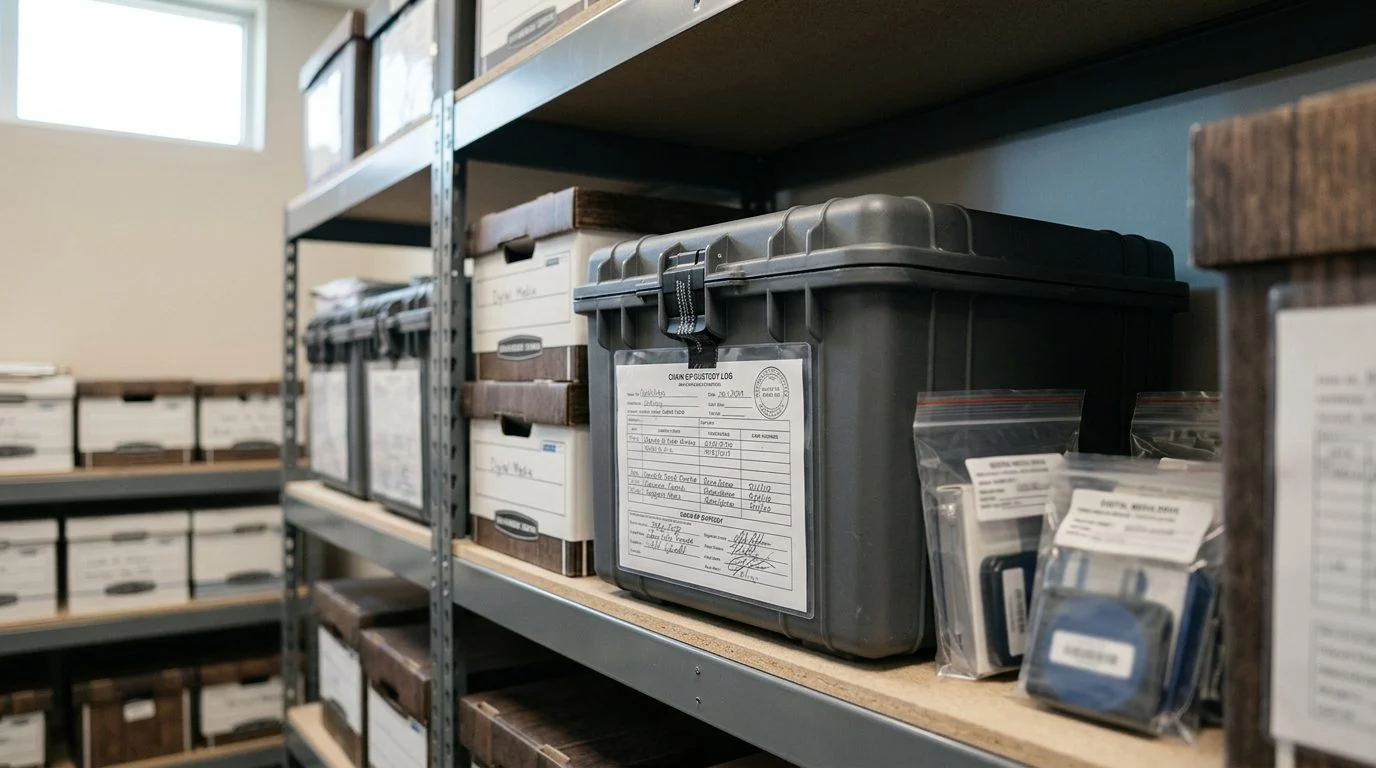
- Recordings and extractions. Whether screenshots and device data are authentic, how they were kept, and whether forensic reports match the charge.
- Child interviews. Whether the interview followed OJJDP forensic interview guidance, which favors open-ended questions and avoids repeated questioning.
- Searches and statements. Whether the search stayed within the warrant and whether any statement was taken properly.
- Defenses. Subsection (b) of § 21.11 sets out an affirmative defense to prosecution with conditions. The actor must have been not more than three years older than the victim and of the opposite sex, must not have used duress, force, or a threat against the victim at the time of the offense, and at the time of the offense must either not have been required under Chapter 62, Code of Criminal Procedure, to register for life as a sex offender, or not have been a person who under Chapter 62 had a reportable conviction or adjudication for an offense under this section. Under § 21.11(b)(1) and (2), the affirmative defense applies only if the actor was not more than three years older than the victim and of the opposite sex, and did not use duress, force, or a threat against the victim at the time of the offense. Whether those conditions fit a particular case depends on its facts.
Each item gets tested, not assumed. That review is where we start explaining your options.
Your Children, Custody, Divorce or CPS: What to Do Now
A criminal case, a custody case and a CPS investigation run on separate tracks. Each one can affect the others.
Bond conditions and protective orders can bar contact. A protective order can bar you from communicating with protected family members, except through an attorney. It can also bar you from going near their home, workplace, child-care facility or school.
In a sexual abuse case, violating a bond condition related to the victim’s or the community’s safety can be a separate offense. Protective-order warnings state different penalties depending on the type of order. For any other protective order, a violation by an act the order prohibits may be punishable by a fine of as much as $4,000, confinement in jail for as long as one year, or both, under subsection (b) of the same article. Read every term exactly as written.
CPS follows its own investigation process, described in the DFPS handbook. Treat each caseworker contact as part of your case. Talk with counsel before you answer their questions.
Do not discuss the allegation with investigators, the other parent or anyone online without counsel first. Do not delete, change or destroy messages, accounts or devices.
Prison Exposure, Sex Offender Registration and Public Attention
The specific charge and its grade decide the possible penalty. No lawyer can say how a case will end.
You may have heard this called a first-degree felony. Under Penal Code § 21.11, sexual contact is a second-degree felony and exposure is a third-degree felony.
Registration depends on the offense and the conviction. Indecency with a child by sexual contact is a sexually violent offense when the person is 17 or older (Code of Criminal Procedure art. 62.001). For a sexually violent offense, the registration duty ends at death, except as the statute provides (art. 62.101).
News coverage can start early. That is one reason the first weeks of a case matter.
We cannot say that charges will be dropped or reduced. We can review the evidence, explain your options and work through the case with you.
How the Process Works: Steps and Timeline
The process starts with a free, confidential consultation. It then moves through document review, evidence requests and a decision on how to resolve the case.
- Consultation. Your first consultation is free and confidential, with no obligation to continue. We review the charge, your bond terms and any custody or CPS matter.
- Document review. We review the charging papers, bond conditions and protective-order terms. We then list what to request from the state.
- Evidence requests. We request and review recordings, device extractions, forensic reports and warrants. You receive a written explanation of your options.
- Investigation and motions. We investigate the facts and file motions where the evidence supports them. Negotiation with the prosecutor happens only where the facts support it.
- Decision. You decide on trial or resolution after advice. Timelines vary widely with the evidence and the court’s schedule.
Not sure what your next step is?
Talk it through with our team — the first consultation is free, confidential, and carries no obligation.
Why Barbieri Law Firm Handles These Cases
Barbieri Law Firm is an all-women criminal defense firm in Frisco, Texas. It focuses on defending people accused of sex crimes and assaultive offenses. The firm serves Collin County, Dallas-Fort Worth and Texas.
Heather Barbieri is responsible for this page. Carrie Thomas is also a lawyer with the firm.
Heather Jean Barbieri, Board Certified, Criminal Law — Texas Board of Legal Specialization.
Our approach is to test the evidence, explain your options and protect your family and records while the case moves. No lawyer can say how a case will end.

Questions Men Ask Before They Call About an Online Video Chat Charge
The answers below cover the charge, your children, the consultation and what to avoid saying right now.
Can I be charged if I never met the child?
Yes. Texas law says that under Penal Code § 33.021, it is not a defense to prosecution for online solicitation of a minor to meet (Subsection (c)) that the meeting did not occur. The specific facts and charging language still get reviewed.
Will I lose my children?
Custody, visitation and CPS matters are handled in separate proceedings. We review them alongside the criminal case.
Is the first consultation free?
Yes. The first consultation is free, confidential and comes with no obligation to continue.
Should I talk to the detective?
Not before you speak with a lawyer. Ask for counsel first and bring the questions to your consultation.
If you’re facing this charge after an online video chat, you don’t have to sort out the papers, the custody questions and the criminal case alone. Call (972) 424-1902 or send your case details through our contact page for a free, confidential consultation.
Attorney responsible for this site: Heather Barbieri, Barbieri Law Firm, Frisco, Texas.
How We Approach a Video Chat Case
We review the evidence
We examine the video, screenshots, messages, account records and the timeline of how the contact began, along with the specific statute charged.
Confidential from the first call
Our free initial consultation is confidential and comes with no obligation to continue.
Clear explanation of your options
We explain the charge, the process and the choices available to you so you can make informed decisions.
Attorneys and a supportive team
Heather Barbieri and Carrie Thomas handle these cases with our team, which is available to answer questions and keep your matter organized.
Before You Speak to Anyone, Call a Lawyer
Do not discuss the allegation with police, investigators, the other person's family or anyone online until you have talked with a lawyer. Statements made in these settings can become evidence in your case.
Questions People Ask About These Charges
Can a video chat lead to a charge?
Charges can arise from live video chats, recordings, screenshots and the account activity connected to them. The statute and the specific conduct alleged determine how a case is charged.
What evidence matters most?
Recordings, message history, device data, platform records and the context of the conversation are often central. We review each item to understand what the State can prove.
What about my family?
Custody, visitation and child welfare questions are handled separately from the criminal case. We can discuss how these matters may connect to your defense.
Where do I start?
Schedule a confidential consultation. We will listen to what happened, explain the charge and describe the next steps.
Talk to Barbieri Law Firm Before You Speak to Investigators
Related practice areas
Request a Consultation
Fill out the short form and we will take it from there.