


Sex Crimes Defense | Frisco, Texas
What Is Needed to Prove Sexual Assault in Texas?
Here is how prosecutors build a case, and how Barbieri Law Firm reviews the evidence to explain your options in Collin County and across Texas.
By Heather Barbieri · Published October 22, 2026
What is needed to prove sexual assault in Texas? Reviewing the evidence tied to each part of a charge is a common starting point in a defense. This page explains each one in plain terms and the kinds of proof used to show it.
The short answer: what the State has to prove
In a sexual assault case, the main questions are simple to state. Did the alleged conduct happen? Did the accused act intentionally or knowingly? Was the act without consent?
The exact conduct named in the charging document decides which facts matter most. A case involving a child follows different wording in the same statute. Under the statute, a “child” is a person younger than 17. Read each section below with the charge in mind, because the charge sets the questions.
If someone you care about has been accused, you don't have to work through the process alone, and a free, confidential consultation with Heather Barbieri is available. Talk it through with our team — the first consultation is free, confidential, and carries no obligation.

The conduct element: what the State must show happened
One question a defense lawyer may examine is whether the conduct described in the accusation actually occurred. Section 22.011 covers causing another person’s anus or sexual organ to be penetrated without consent. It also covers penetration of the mouth by a sexual organ without consent. And it covers one person’s sexual organ contacting or penetrating another person’s mouth, anus or sexual organ without consent.
For a child, the statute also reaches penetration of a child’s anus or sexual organ by any means. It also covers causing a child’s anus to contact another person’s mouth, anus or sexual organ, or a child’s mouth to contact another person’s anus or sexual organ, including the accused’s. It applies whether or not the accused knew the child’s age. The same section includes a defense for medical care that involved no prohibited contact.
A defense review may also look at whether the evidence connects the accused person to the conduct alleged. An accusation alone is not proof. The date, place and parties named in a charging document are details a defense lawyer may check against the evidence.
The mental state element: intent or knowledge
The State must also prove the accused acted intentionally or knowingly. This is a separate question from whether the act occurred. Two people can agree that contact happened and still disagree about what each one meant or understood.
Prosecutors usually show mental state through circumstances. They look at what was said, messages before and after the event, how the people acted, and the setting. Disputes over intent and knowledge are common in these cases (Travis County SAU report). They turn on the evidence in each file, not on general claims.
The lack-of-consent element: what ‘without consent’ means in Texas
Texas Penal Code § 22.011 lists the circumstances that make a sexual assault under Subsection (a)(1) without the consent of the other person. They include:
- Force, violence or coercion used to make someone submit or take part.
- A threat of force or harm, when the other person believes the actor can carry it out.
- A person the actor knows is unconscious or physically unable to resist.
- A person the actor knows is unaware the assault is occurring.
- A person the actor knows is intoxicated or impaired enough to be unable to consent.
- A person the actor knows cannot appraise or resist the act because of a mental disease or defect.
Under § 22.011, “consent” has the meaning assigned by Section 1.07 of the Texas Penal Code.
Questions about consent often turn on the specific facts of each encounter. Courts and juries look at what was said, what was done, and whether words or actions showed agreement or refusal. Often this is the central factual question in the case, and the answer depends on the facts.
The evidence prosecutors use, and how it is reviewed
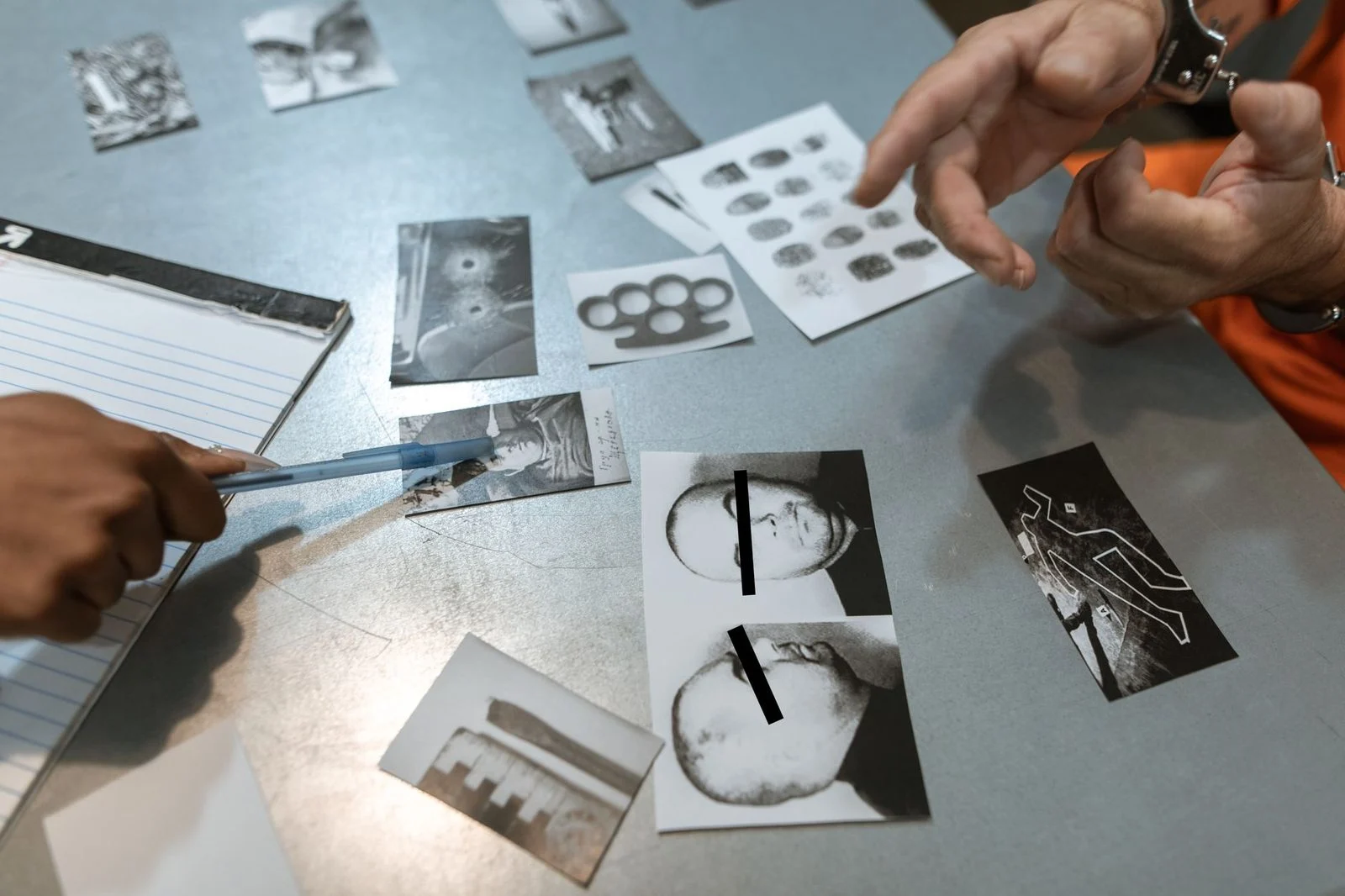
Prosecutors use several kinds of proof. Common categories include the alleged victim’s account, outcry statements made to others, medical or forensic exam results, DNA or other lab findings, text messages, call logs, photos, video and location data. Each item is offered to prove one or more elements.
A medical or lab finding is not the same as proof of every element. A finding may show that contact occurred. It does not by itself answer whether consent existed or what the accused intended.
A defense review looks at the full case picture. It gathers the complete file, builds a timeline, and reviews recordings, reports and witness statements. It then checks whether the evidence supports each element, including limits on evidence of a complainant’s past sexual behavior under Texas Rule of Evidence 412. The jury, or the judge in a bench trial, decides how much weight each piece of evidence and each witness gets.
If this is happening to someone you know: where to start
If you are reading this because a family member, partner or friend has been accused or has come forward, you did not choose this situation. Many people in that position feel anxious and unsure what comes next. Learning the elements is a reasonable first step.
Does a medical exam prove sexual assault in Texas?
A medical exam can document findings. It does not by itself prove every element, including consent and intent.
What does “without consent” mean in Texas?
Section 22.011(b) lists circumstances, such as force, threats, unconsciousness or intoxication, that make a sexual assault under Subsection (a)(1) without the consent of the other person.
Can intoxication matter in a Texas sexual assault case?
Yes. Under § 22.011(b), it matters when the actor knows the other person was impaired enough to be unable to consent.
If someone you care about has been accused and you want to talk through what comes next, you don’t have to sort it out alone. Call Barbieri Law Firm at (972) 424-1902, or send case details through the contact page. The first consultation is free, confidential and carries no obligation to continue.
Attorney responsible for this site: Heather Barbieri, Barbieri Law Firm, Frisco, Texas.
How We Review the Evidence
Consent and Circumstances
We examine what the State alleges about consent, force, threats and the complainant's condition, and what the records show about each of those points.
Medical and Physical Evidence
We look at what an exam can and cannot establish, and how the findings fit with the other evidence in the file.
Statements and Digital Records
We review police interviews, recorded calls, messages and other digital records for accuracy, context and inconsistencies.
Before You Speak With Investigators
Anything you say to police, a school or an employer, or post online can become evidence in your case. Speak with a lawyer before you give a statement or respond to a question about the allegations.
Questions We Help You Answer
What must the State prove?
We identify each element in the charge and the evidence the State would need to offer on it.
What is missing from the file?
We look for gaps in the reports, witness accounts, lab work and timelines that a jury or judge would need to resolve.
What do your options look like?
We explain the possible paths forward so you can make informed decisions with full information.
Who can help you keep this private?
Your consultation is confidential. We discuss your case only with the details you choose to share.
Talk With Heather Barbieri About the Evidence in Your Case
Related practice areas
- Aggravated Sexual Assault Charges in Texas: What an Accused Professional Should Know Now
- Accused of Sexual Assault Texas
Request a Consultation
Fill out the short form and we will take it from there.