

Assault Charges | Collin County and Dallas-Fort Worth
What the State Must Prove in an Assault Case
Photos, texts, medical records and witness accounts can each shape a case. Here is how to think about the evidence before you say anything about what happened.
By Heather Barbieri · Published November 11, 2026
If your loved one has been accused of assault in Texas, you probably want to know what the State has to work with. There is no single list of evidence an assault charge requires. The proof that matters most depends on which version of assault is charged. Common items include injury records, witness accounts, 911 recordings, video, messages, and forensic results. Each one shows something different.
What the State Must Prove in a Texas Assault Case
The version of assault that is charged decides which facts matter most.
Assault is defined in Texas Penal Code § 22.01. A person can intentionally, knowingly, or recklessly cause bodily injury. A person can intentionally or knowingly threaten someone with imminent bodily injury. A person can also intentionally or knowingly make physical contact that the person knows, or should reasonably believe, the other person will see as offensive or provocative.
A bodily injury charge turns on the injury itself. A threat charge turns on whether the person intentionally or knowingly threatened another with imminent bodily injury, based on what was said or done. An offensive contact charge turns on the contact.
The charge can also rise. Under Texas Penal Code § 22.02, aggravated assault means an assault that causes serious bodily injury, or that uses or exhibits a deadly weapon. Serious bodily injury is defined in Texas Penal Code § 1.07. Under Texas Penal Code § 22.02, aggravated assault is a felony of the second degree, except that the offense is a felony of the first degree in the situations listed in subsection (b), such as certain cases involving a deadly weapon, the discharge of a firearm, or a mass shooting.
Not sure what your next step is?
Talk it through with our team — the first consultation is free, confidential, and carries no obligation.
Who Carries the Burden of Proof and What the Standard Is
A charge is an accusation.
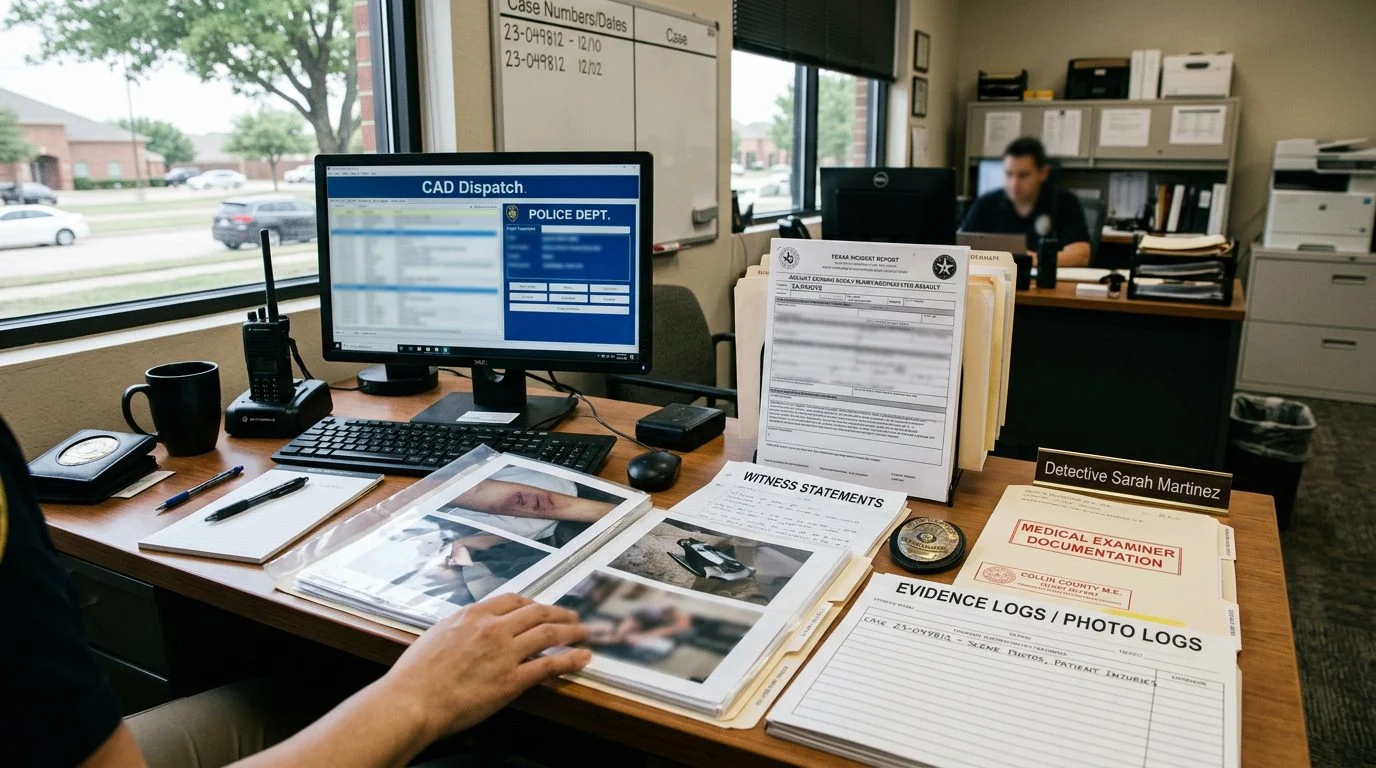
A lawyer’s job is to test that evidence. The lawyer asks what the records show, whether the accounts agree, and whether the proof fits the exact words of the charge. Whether to present any evidence is a decision made with the lawyer after reviewing the State’s proof.
For a family member, this can feel backwards. Police may already have a story. Reviewing the file early helps show which items are solid and which raise questions.
Physical and Medical Evidence
Photos of injuries and medical records are often the first physical proof in an assault case.
Common items include photos, emergency room and clinic records, admission notes, and treatment summaries. These records can show the type and location of an injury. They can also show how the injury was described when it was first treated.
That matters for the injury question. The definitions of bodily injury and serious bodily injury turn on the kind of harm involved. Medical records do not show who caused an injury or how it happened. They record what a patient reported and what an exam found, and those notes can be read more than one way.
Timing matters too. A record made close to the event often carries different weight than an account written months later.
If you know which clinic or hospital was involved, write down the dates and provider names. Keep copies of anything already in your home. Do not alter or discard papers.
Witness Accounts, 911 Calls, and Statements
Witness accounts and 911 recordings often capture the first description of what happened.
A 911 call is recorded close to the event. The caller’s words, the background sounds, and the dispatch notes can show what was reported first. Statements given to police come next. These can include the alleged victim’s account, the accounts of anyone nearby, and what your loved one said during the investigation.
Each statement is evidence to be tested. A witness may have a clear view, a partial view, or a view from far away. A person may describe the same event differently on different days.
The lawyer compares the accounts, checks them against the physical record, and looks for differences that matter. A consistent account is not automatically accurate. An inconsistent one is not automatically false.
Keep a list of who was present and who spoke with police. That list helps the lawyer know where to look.
Video, Photos, Texts, and Other Digital Records
Video, photos, and messages can show what happened and the order of events.
Body camera footage, store or home security video, cell phone video, and scene photos are common digital proof. Text messages, social media posts, and call logs can show the relationship between the people involved and what was said before and after the incident.
The original file matters. A short clip can leave out what came before or after it. The complete recording often gives a clearer picture than a clip shared online or in a group chat.
Phones are often part of these cases. The Texas DPS crime laboratory says its staff can recover, preserve, and examine phone data. It also warns that digital evidence may be altered or destroyed during collection or handling.
Do not delete, edit, or post about the incident. Keep copies of anything your loved one already has, and write down where each file came from.
Forensic Evidence: What It Can and Cannot Show
Forensic results can show that an item or substance was present, but they do not show intent on their own.
Forensic items can include DNA, fingerprints, clothing, weapons, and scene documentation. A lab result can establish a match or the presence of a substance. It does not, by itself, show what a person meant to do or the order in which things happened.
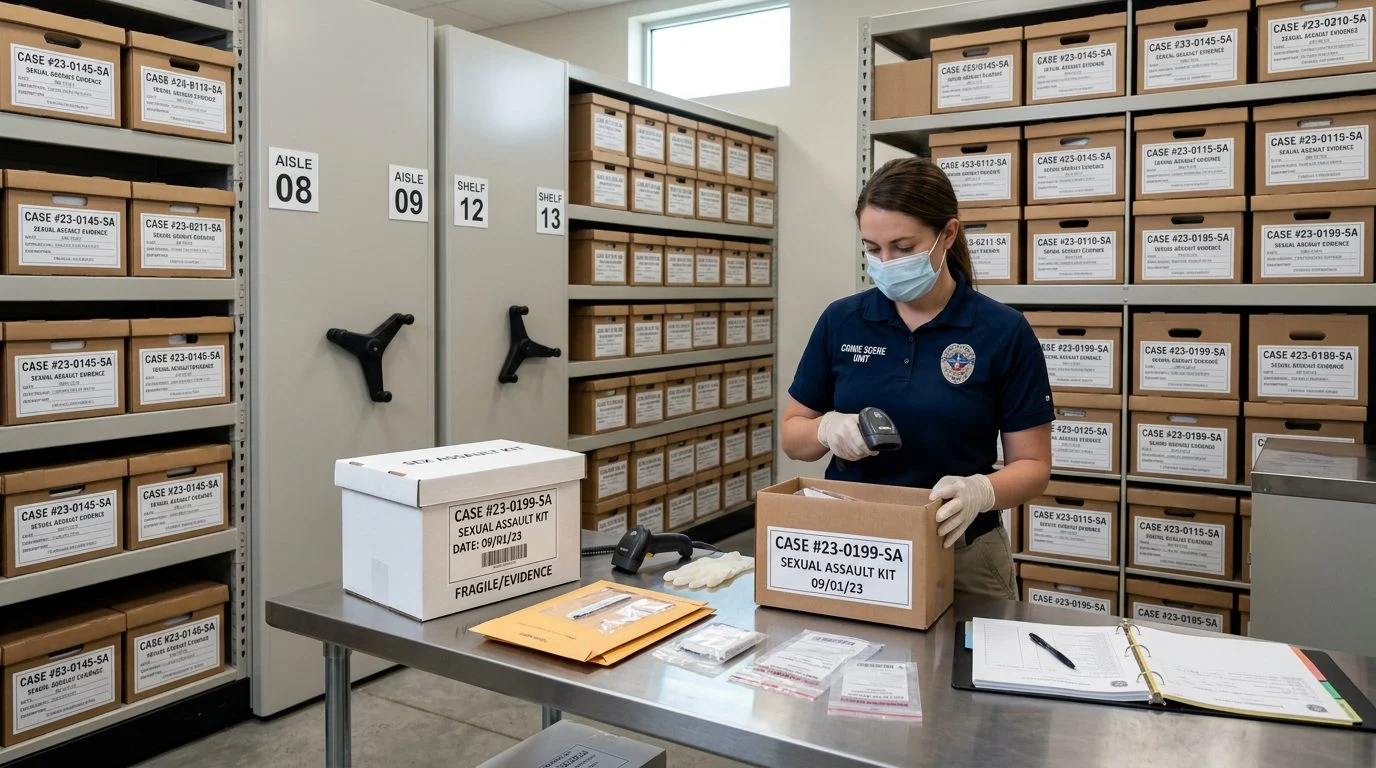
Chain of custody matters. The NIST evidence management standards describe how to preserve digital and forensic evidence, prevent compromise or degradation, and track chain of custody during criminal investigations. A lawyer reviews who collected each item, when, how it was stored, and whether each handoff is logged. A gap in that log is a question worth asking.
Searches are also reviewed.
Forensic evidence depends on the facts of each case, and its meaning is judged in context.
Not sure what your next step is?
Talk it through with our team — the first consultation is free, confidential, and carries no obligation.
Evidence Tied to Defensive Action or Consent
Texas law treats some defensive conduct and some consent differently, so those facts need their own review.
A threat charge requires proof that the person intentionally or knowingly threatened imminent bodily injury. The definition in § 22.01 describes the conduct the offense covers. Whether a defensive act was justified is a separate question, and a lawyer would review the facts of that act with you.
Consent is handled differently. Texas Penal Code § 22.06 makes a victim’s effective consent a defense to assault in some cases. It applies if the conduct did not threaten or inflict serious bodily injury, or if the victim knew the conduct was a risk of the victim’s occupation, recognized medical treatment, or a scientific experiment conducted by recognized methods, but it is not available to a defendant who commits the offense as a condition of initiation or continued membership in a criminal street gang. The statute also covers a reasonable belief that the victim consented.
Evidence in these cases often includes messages sent before the contact. It can also include witnesses who saw who started the physical contact, and the sequence shown in video. Photos of any injuries to the person who says they were defending themselves can matter as well.

Talking With a Criminal Defense Lawyer About the Evidence
A criminal defense lawyer reviews each type of evidence and explains what it may mean for your loved one’s case.
A lawyer can review police reports, recordings, and the medical and digital records the State holds. The lawyer can also look for gaps in the State’s proof. No lawyer can say in advance how a case will end.
Barbieri Law Firm is an all-women criminal defense firm in Frisco, Texas. It defends people accused of assaultive offenses, including aggravated assault and family violence, across Collin County, Dallas-Fort Worth, and Texas. The firm offers a free initial consultation that is confidential and carries no obligation to continue.
For related charges, see our guide on aggravated sexual assault charges in Texas.
You may still be early in this process, and you do not have to sort through the evidence alone. If your loved one has been charged, or you’re worried a charge is coming, call (972) 424-1902 or send case details online.
Attorney responsible for this site: Heather Barbieri, Barbieri Law Firm, Frisco, Texas.
Frequently Asked Questions
What evidence is needed for assault in Texas?
No single type is required. Which version of assault is charged shapes what the State must prove.
Is a photo of an injury enough to prove assault?
A photo can show an injury. It does not show who caused the injury or how it happened.
Is consent a defense to assault in Texas?
Consent can be a defense under Texas Penal Code § 22.06, but only under the conditions the statute sets out.
How Barbieri Law Firm Approaches the Evidence
Confidential first conversation
Your free initial consultation is confidential and comes with no obligation to continue.
Review of the full record
We will review the evidence, including photos, messages, medical records and video, and explain your options.
A team that focuses on criminal defense
Barbieri Law Firm focuses on criminal defense, including assault and family violence cases in Collin County, Dallas-Fort Worth and across Texas.
Clear answers
We will tell you what the evidence may mean for your case in plain language, including what we do not yet know.
Protect the Evidence You Already Have
Deleting texts, posts or photos, or contacting the other person about the incident, can create problems for your defense. Talk with a lawyer before you take any step involving the evidence.
Common Types of Evidence in Assault Cases
Physical and medical evidence
Injury photos, emergency room records and treatment notes can show what injuries were reported. They do not, by themselves, show how or by whom an injury was caused.
Digital evidence
Text messages, social media posts, call logs and location data can show what was said and when. Context and the full conversation often matter as much as individual messages.
Witness statements
Statements from people who saw or heard the incident can support or contradict the accounts in the police report. We look at who was present, where they stood and what they actually observed.
Police reports and video
Offense reports, body camera footage and dispatch records can reveal how the investigation was conducted. We review them closely for gaps, inconsistencies and details that were left out.
Have Questions About the Evidence in Your Case?
Related practice areas
Request a Consultation
Fill out the short form and we will take it from there.