


Child Sex Crimes Defense | Frisco, Texas
Facing a Child Sexual Assault Allegation in Texas? Start With the Facts
Barbieri Law Firm explains the charge, how cases move through the system, and the questions worth bringing to a first conversation with a criminal defense lawyer.
By Heather Barbieri · Published November 18, 2026
Texas Sexual Assault of a Child: How the Offense Is Defined
Texas Penal Code section 22.011 defines sexual assault of a child. In short, it is a crime to intentionally or knowingly cause penetration of another person’s anus or sexual organ without that person’s consent. When the other person is a child younger than 17, the statute applies even if you did not know the child’s age.
It explains the law in general terms, so you can understand the charge you are facing.
If a child-related allegation has you searching for answers, you don't have to work through it alone. We're here to talk about your own facts. Talk it through with our team — the first consultation is free, confidential, and carries no obligation.
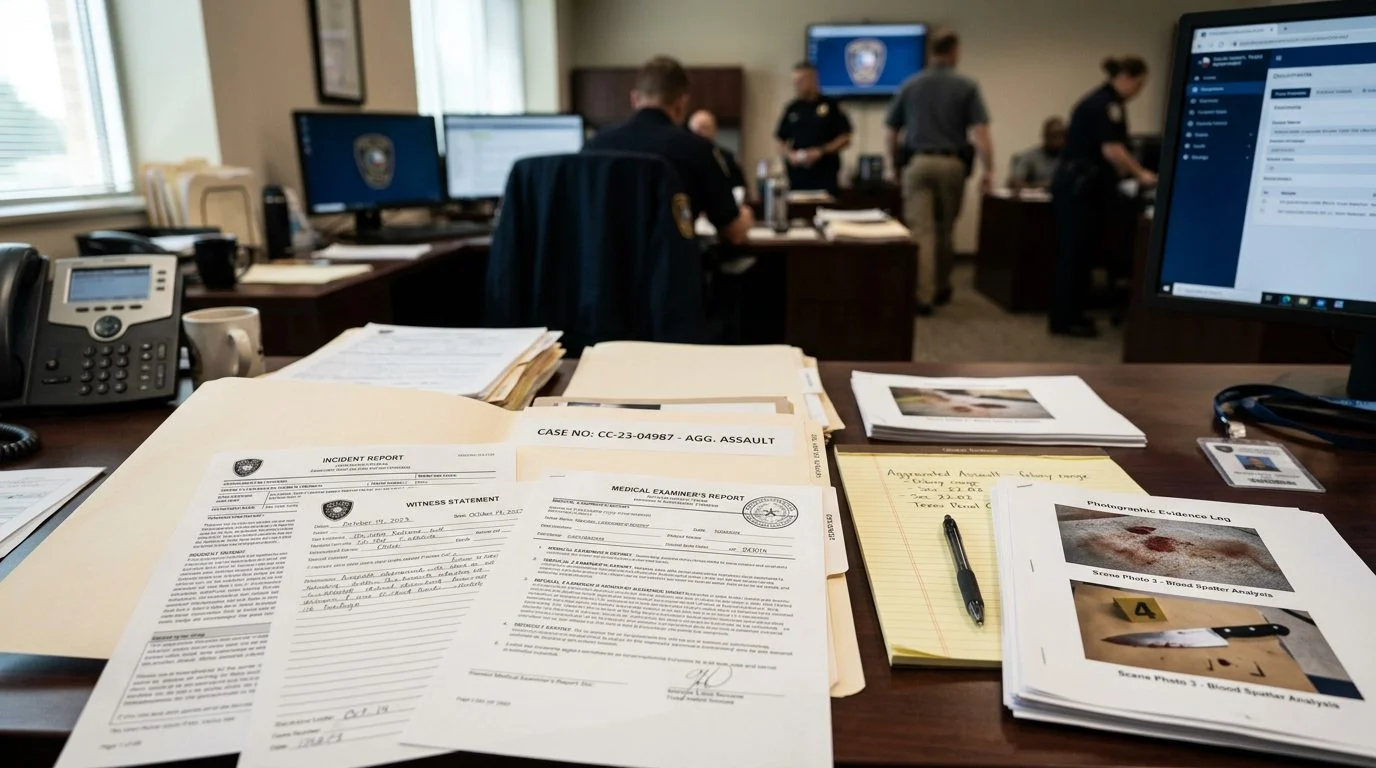
What Texas Law Says About Sexual Assault
Section 22.011(a) makes sexual assault a crime when a person intentionally or knowingly causes penetration or contact of the kinds listed without the other person’s consent, or, regardless of whether the person knows the age of the child at the time of the offense, engages in the listed conduct involving a child. Penal Code § 22.011(a) names the conduct. It covers penetration of the anus or sexual organ by any means, penetration of the mouth by the sexual organ, and contact between a sexual organ and another person’s mouth, anus, or sexual organ.
The phrase “without consent” carries much of the weight. The statute lists circumstances that count as without consent in subsection (b). One example is a person who has not consented and whom the actor knows is unconscious or physically unable to resist. Another is a person who has not consented and is unaware the assault is occurring.
Section 22.011 is the base offense. The aggravated version is a separate section of the Texas Penal Code, and it is covered below. Our aggravated sexual assault guide gives more background on that offense.
The Under-17 Age Line: When Consent Is Not Part of the Charge
For a child under 17, subsection (a)(2) does not use the consent element found in subsection (a)(1). That difference is the heart of this offense.
For this section, a child is a person younger than 17 years of age. Penal Code § 22.011(c)(1) sets that line. The statute applies regardless of whether the person knows the child’s age at the time of the offense. A mistaken belief about the child’s age does not change the charge under that subsection.
Subsection (a)(2) covers several kinds of conduct.
Subsection (e) of Texas Penal Code § 22.011 sets out an affirmative defense to prosecution under Subsection (a)(2). An affirmative defense is a separate legal reason that can apply even when the conduct happened. One applies when the actor was the child’s spouse at the time of the offense. The other applies when the actor was not more than three years older than the victim and meets the conditions the statute lists.
In some trials, the judge must make a finding about age. That finding applies if the defendant was not more than four years older than a victim who was at least 15, and the conviction rests solely on the ages of both people. Code of Criminal Procedure art. 42.017 sets out that finding.
Can a 17-Year-Old Consent to a 24-Year-Old in Texas?
Whether a 17-year-old can agree to sex with a 24-year-old in Texas depends on the facts. Under Texas law, a 17-year-old is not a “child” for the child-victim provisions of the sexual assault statute, so those provisions do not reach that person.
Subsection (b) lists circumstances in which a sexual assault under subsection (a)(1) is without consent, such as where the other person has not consented and the actor knows the other person is unconscious or physically unable to resist, or is unaware the assault is occurring.
Other provisions of Texas law may apply to conduct involving minors. So the full set of facts matters. What each person said and did, and how the events unfolded, all become part of that review. Treat any general rule you have heard with care, because the details of the situation carry the weight here.
How Sexual Assault of a Child Differs From Aggravated Sexual Assault
Aggravated sexual assault adds at least one aggravating element to the basic conduct under section 22.021. The aggravating elements include causing serious bodily injury, threatening harm, and using a deadly weapon. They also include giving a substance meant to impair the victim, and a victim younger than 14. The Texas Penal Code defines aggravated sexual assault and sets out its elements.
Aggravated sexual assault is a first-degree felony. Section 22.021(e) states that level. The minimum prison term rises to 25 years if the victim is younger than 10. It also rises if the victim is younger than 14 and the offense is committed in a manner the statute describes.
The two are separate offenses with different elements. The elements alleged in the charge decide which statute applies. Reading the charging language closely helps you understand what the state must prove.
Felony Levels and Penalty Ranges Under 22.011
Section 22.011 makes the base offense a second-degree felony, unless a listed circumstance raises it to a first-degree felony. An offense under Subsection (a)(1) is a state jail felony if the actor has not received express consent as described by Subsection (b)(12). Penal Code § 22.011(f) sets that default level and the exceptions.
A second-degree felony carries imprisonment for any term of not more than 20 years or less than 2 years. A fine of up to $10,000 may be added. Penal Code § 12.33 sets those limits.
A first-degree felony carries life, or any term of 5 to 99 years. For a first-degree felony, a fine of up to $10,000 may also be added. Penal Code § 12.32 sets those limits.
Some listed circumstances raise a section 22.011 offense to a first-degree felony. One example is a victim the actor was prohibited from having sexual intercourse with under section 25.02.
Not sure what your next step is?
Talk it through with our team — the first consultation is free, confidential, and carries no obligation.
What Investigators and Prosecutors Review in a Child Sexual Assault Case
These cases often center on the child’s statements, the timeline, and any devices or records tied to the allegation. Each of those areas has its own rules.
Texas law sets conditions for using a child’s out-of-court statement at trial. Code of Criminal Procedure art. 38.072 requires notice on or before the 14th day before the proceeding begins. The court must find the statement reliable in a hearing outside the jury’s presence. The child must testify or be available to testify.
Sexual material involving a child has special discovery rules. Under Article 39.15 of the Texas Code of Criminal Procedure, a court must deny a defendant’s request to copy certain material depicting or describing abuse of or sexual conduct by a child or minor. This applies when the state makes that material reasonably available to the defendant for inspection.
Phones are often part of these cases. Art. 18.0215 bars an officer from searching a phone after a lawful arrest without a warrant. The statute lists exceptions, such as the owner’s consent. In Riley v. California, the U.S. Supreme Court said a warrant is generally required, even for a phone seized in an arrest.
Timing is central to the review. The child’s age at the time of the offense and the dates of the alleged conduct both shape how a charge is reviewed.
If You Are the Person Under Investigation
Statements made during custodial questioning are judged by whether police first gave four warnings. Those warnings are the core of Miranda rights. Dickerson v. United States describes them.
The four warnings tell you that you have the right to remain silent. They tell you that anything you say can be used against you in a court of law. They tell you that you have the right to have a lawyer present. They also tell you that a lawyer will be appointed before questioning if you cannot afford one.
Dickerson explains that Miranda rests on the Fifth Amendment privilege not to incriminate yourself. The Court also held that Miranda governs the admissibility of these statements in both state and federal courts.
A statement you give can become evidence in the case. A lawyer can review the statements, the timeline, and the records with you. That review can help you understand the options that fit your facts.
Frequently Asked Questions
What is sexual assault under Texas law?
Under Texas law, a person commits sexual assault by intentionally or knowingly causing the penetration of another person’s anus or sexual organ by any means without that person’s consent, or by causing the penetration of another person’s mouth by the actor’s sexual organ without that person’s consent, or by causing another person’s sexual organ to contact or penetrate the mouth, anus, or sexual organ of another person without consent. Separately, regardless of whether the person knows the child’s age, a person also commits sexual assault by engaging in the conduct listed in subsection (a)(2) against a child, which does not require lack of consent. Subsection (c) of the same section sets the age rule for a child.
Can a 17-year-old consent to a 24-year-old in Texas?
A 17-year-old is not a child under section 22.011, so the consent question is analyzed under subsection (a)(1). That analysis looks at the full set of facts.
What punishment can apply to sexual assault of a child in Texas?
The base offense is a second-degree felony, with 2 to 20 years and a fine up to $10,000 possible. Some listed circumstances make it a first-degree felony, with life or 5 to 99 years possible.
Is sexual assault of a child the same as aggravated sexual assault?
No. Aggravated sexual assault under § 22.021 adds aggravating elements and is a first-degree felony.
Not Sure What Your Next Step Is?
A confidential conversation about your own facts is a sensible next step when a child-related allegation is involved. You may be accused of this offense or under investigation for it.
Either way, the terms and timelines can feel overwhelming. A lawyer can review the evidence, statements, and timeline in your case. A lawyer can also explain the options that fit your facts. No lawyer can say in advance how a case will end.
Call (972) 424-1902 or send your case details through our contact form. The first consultation is free, confidential, and comes with no obligation to continue.

Attorney Responsibility and Disclaimer
This page explains Texas law in general terms. It is not legal advice for any specific situation.
Attorney responsible for this site: Heather Barbieri, Barbieri Law Firm, Frisco, Texas.
Information to Gather for Your Consultation
Charging papers
Bring any warrant, complaint, indictment, or bond paperwork you have, along with the dates and court names shown on them.
Timeline of events
Write down what you recall about the timeline, the people involved, and where each event took place, so you can review it with your lawyer.
Contact with investigators
Note any interviews, forensic exams, or messages with police, child protective services, or other investigators, and whether a lawyer was present.
Your goals and concerns
Think about what matters most to you and your family, and list the questions you want answered at your first meeting.
Before You Answer Questions
Speaking with police or investigators can affect a case. Talk with a criminal defense lawyer before you answer questions or sign statements about an allegation.
How We Approach Criminal Defense
Criminal defense focus
Barbieri Law Firm focuses on defending people accused of sex crimes and assaultive offenses across Texas.
An all-women firm
Our team is led by Heather Barbieri and includes attorney Carrie Thomas and our support staff.
Board certification
Founding attorney Heather Jean Barbieri, Board Certified, Criminal Law — Texas Board of Legal Specialization.
Frisco-based, regional reach
We serve clients in Collin County and throughout Dallas-Fort Worth, including Plano, McKinney, Allen, and Prosper.
Clear explanations
We review the evidence with you and explain your options in plain language so you can make informed decisions.
Confidential first step
La consulta inicial es gratuita, confidencial y sin compromiso de continuar. Your first consultation is free, confidential, and comes with no obligation to continue.
Talk With Our Frisco Team in Confidence
Request a Consultation
Fill out the short form and we will take it from there.