


Sex Crimes Defense | Collin County & Dallas-Fort Worth
Facing a Sexual Assault Charge in Texas? Understand Your Defense Options
Every case turns on its facts. Heather Barbieri reviews the evidence, explains the charge and lays out the options available to you. Your free, confidential initial consultation comes with no obligation to continue.
By Heather Barbieri · Published October 17, 2026
Defenses to Sexual Assault Charges in Texas: How the Facts Shape Your Options
If someone you love has just been accused of sexual assault, you don't have to work out the next steps alone. Call our office or send us your case details to talk it through. Talk it through with our team — the first consultation is free, confidential, and carries no obligation.

Why No Single Defense Fits Every Sexual Assault Charge
No single defense works in every sexual assault case. The right approach depends on the exact charge, the conduct alleged, the timeline, and the proof the State has. A defense is built by reviewing the full record, not by picking one theory from a list.
Sexual assault is defined in Texas Penal Code § 22.011. Aggravated sexual assault is defined in § 22.021. These two sections are the starting point. Each element in them is a question a defense lawyer can test against the evidence.
The two charges carry very different stakes. Aggravated sexual assault is a first-degree felony. Under § 22.021(f), a sentence of at least 25 years applies when the victim is younger than 6, or when the victim is younger than 14 and certain listed aggravating circumstances are present. A defense plan has to match the charge on paper and the facts in the file.
So the first step is always the same. Read the charging language, then the police report, then every statement and record. Only then can anyone say which defenses deserve a closer look.
Consent and the Texas Definition of Sexual Assault
Consent is often the central question in a Texas sexual assault case. The statute makes lack of consent part of the offense. That means consent shapes almost every part of the review.
Under Penal Code § 1.07, consent means assent in fact, whether express or apparent. The words “in fact” matter. A defense looks at what each person said and did, not only at what one person later reported.
Section 22.011(b) lists when conduct is without consent. Those circumstances include force, violence, or coercion. They also include threats the other person believes can be carried out. A person who is unconscious, physically unable to resist, or unaware the act is happening also falls within the list. So does an act in which the actor intentionally impairs the other person’s power to appraise or control his or her conduct by administering any substance without that person’s knowledge. Each one is a fact to check against the record.
A defense typically asks several questions. What was said before, during, and after? What was the relationship between the two people? Was there earlier contact, and how did each person act afterward? These answers are tested against text messages, witness accounts, and timelines.
Aggravated sexual assault works the same way on consent. Under § 22.021, the conduct is without consent when it occurs under the same circumstances listed in § 22.011(b). The aggravating factors in § 22.021(a)(2) raise the stakes. The consent questions still apply.
Identity and Alibi: When Who Is at Issue, Not What Happened
An identity defense argues the accused is not the person involved. It does not ask whether consent existed. It asks who was there.
Alibi evidence shows where the accused was at the time in question. The defense checks that account against the alleged timeline. Useful records can include location data, phone records, transportation records, and receipts. Witnesses who saw the accused at a specific time and place can also matter.
These records only help if they still exist. Some records are kept for a limited time, so early requests matter. Waiting can mean losing the proof that would answer the timeline.
Identity problems can also appear in arrest records. Under Code of Criminal Procedure art. 55A.006, a person may seek expunction of identifying information from an arrest record. That applies when the arrest happened solely because of inaccurate identifying information caused by a clerical error. It can also apply when another arrested person falsely gave the first person’s identifying information without consent.
Key Evidence: Testing What the State Says It Has
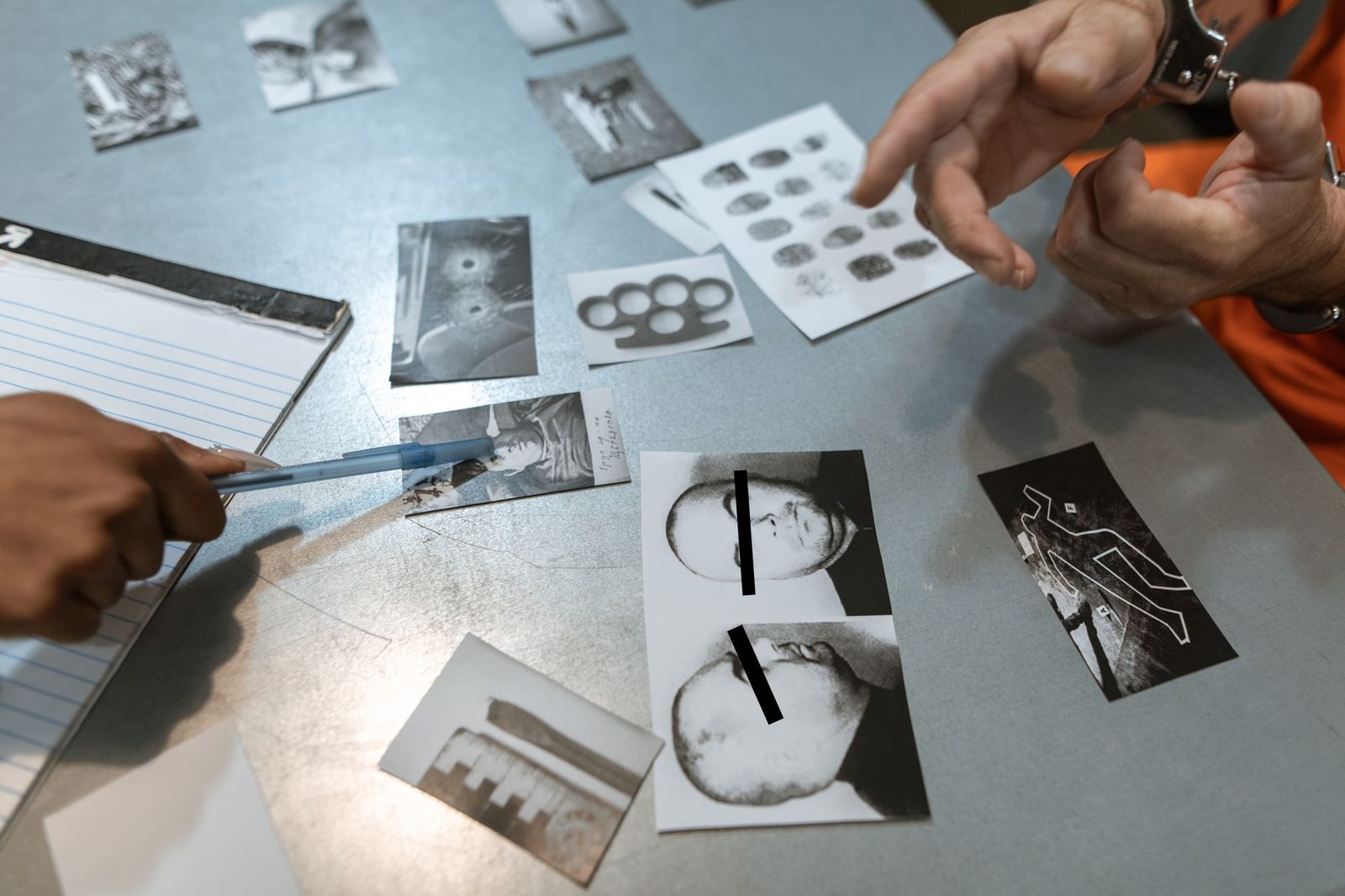
The defense tests how the State’s evidence was gathered, handled, and recorded. Evidence in these cases often includes DNA and forensic results, medical examination records, video, text and social media messages, and a timeline of events.
Testing evidence means asking how each item was collected and documented. Chain of custody is the record showing who held an item and when. A gap in that record can weaken what the item is said to prove. The defense also reviews the procedures investigators followed.
Statements deserve the same scrutiny.
Each statement is compared against the recording, the timing, and the other evidence. The defense asks whether the pieces fit together, or whether the State’s account rests on one item alone.
“He Said, She Said” Cases and Claims of a False Report
In a he-said, she-said case, the dispute is often about credibility, not physical proof. The defense weighs each person’s account against the record. The result depends on the facts of each case.
Consistency over time matters. The defense compares the first report with later accounts, including police interviews. Messages sent before and after the event can show how the relationship looked at the time. That may differ from later descriptions.
Prior relationship and motive also matter. The defense looks at whether the report came after a dispute, a breakup, or another event that may bear on the account. Motive questions are factual. They are answered from the record, not assumed.
A claim of a false report is handled the same way. The defense asks what records and witnesses show about the event, and whether the account changed over time. No lawyer can predict how a credibility contest will end.
Not sure what your next step is?
Talk it through with our team — the first consultation is free, confidential, and carries no obligation.
What to Avoid in the First Days After an Accusation
Avoid contacting the accuser, deleting records, or giving a statement before speaking with a criminal defense lawyer. Early choices often decide what evidence survives.
- Do not contact the person who made the accusation, directly or through friends or social media.
- Keep messages, photos, and records. Do not delete or edit anything.
- Do not give a statement to police or investigators before speaking with a criminal defense lawyer.
- Do not post about the matter online.
The stakes can last for years. Under Code of Criminal Procedure art. 62.001, a violation of § 22.011 or § 22.021 counts as a sexually violent offense when the person committed it at age 17 or older. Under art. 62.101, the duty to register for a sexually violent offense generally ends only when the person dies. The statute has exceptions. That is one reason early decisions matter.
Talk Through Your Situation With Heather Barbieri
Facing a charge you did not expect is hard. It is harder when you are trying to help someone you love.
Barbieri Law Firm is a criminal defense firm in Frisco, Texas, led by Heather Barbieri. In a first conversation, the firm reviews the charge, the timeline, and the evidence so far, including any statements and recordings. Then it explains your options. No lawyer can assure a particular outcome.
Your first consultation is free, confidential, and carries no obligation to continue. To talk through your situation, call (972) 424-1902 or send your case details through the contact page.
Attorney responsible for this site: Heather Barbieri, Barbieri Law Firm, Frisco, Texas.
Frequently Asked Questions
Is there one defense that works for every sexual assault charge?
No. The right defense depends on the facts, such as whether the contact happened, whether it was consensual, and what the physical, digital, and witness evidence shows. No lawyer can assure a particular outcome.
What does the state have to prove in a Texas sexual assault case?
Whether the state can meet that burden depends on the evidence in each case.
What issues do defense lawyers commonly examine in these cases?
Defense lawyers often review consent, the identity of the person involved, the availability and reliability of physical or digital evidence, and the accuracy and consistency of statements made by everyone involved. Which issues matter most depends on the specific facts.
What should I do first if I have been charged?
Consider speaking with a criminal defense lawyer before answering police questions or making statements about the case. Heather Barbieri offers a free, confidential initial consultation with no obligation to continue. You can call (972) 424-1902.
How Barbieri Law Firm Approaches Your Case
Focused on criminal defense
Barbieri Law Firm defends people accused of sex crimes and assaultive offenses, including sexual assault, online sex crimes and aggravated assault, across Collin County, Dallas-Fort Worth and Texas.
An all-women firm
Led by Heather Barbieri, our team of women handles sensitive cases with discretion and respect for every person involved.
Careful review of the evidence
We review the police reports, physical and digital evidence, and witness statements to identify the issues that matter in your case.
Clear explanation of your options
We explain each option in plain language so you can make informed decisions about your case.
Confidential first consultation
Your initial consultation is free and confidential, with no obligation to continue.
Talk to a lawyer before you speak with investigators
Speak with a criminal defense lawyer before answering questions or agreeing to an interview.
Common Issues in Texas Sexual Assault Cases
Disputed identity
Who was involved is sometimes the central question. We examine how identity was established and whether the evidence supports it.
Consent and context
Where consent is in question, we review communications, the relationship history and the surrounding circumstances.
Collection of evidence
We examine how physical, digital and forensic evidence was collected, preserved and tested.
Witness accounts
Statements can change over time. We test each account against the other evidence in the case.
Facing a sexual assault charge? Speak with Heather Barbieri about your options.
Related practice areas
- Aggravated Sexual Assault Charges in Texas: What Accused Professionals Need to Know Before the First Call
- Sexual Assault of a Child
Request a Consultation
Fill out the short form and we will take it from there.